

What Are the Environmental Regulations for Aluminum Foundry Operations
2026-09-30
Navigating environmental compliance is one of the most complex challenges facing Aluminum Foundry operators today. From air emissions to waste management, foundries must adhere to a web of federal, state, and local regulations that vary by region and production method. Xuxing, a trusted name in foundry solutions, works closely with clients to ensure their operations meet these standards without sacrificing efficiency or profitability.
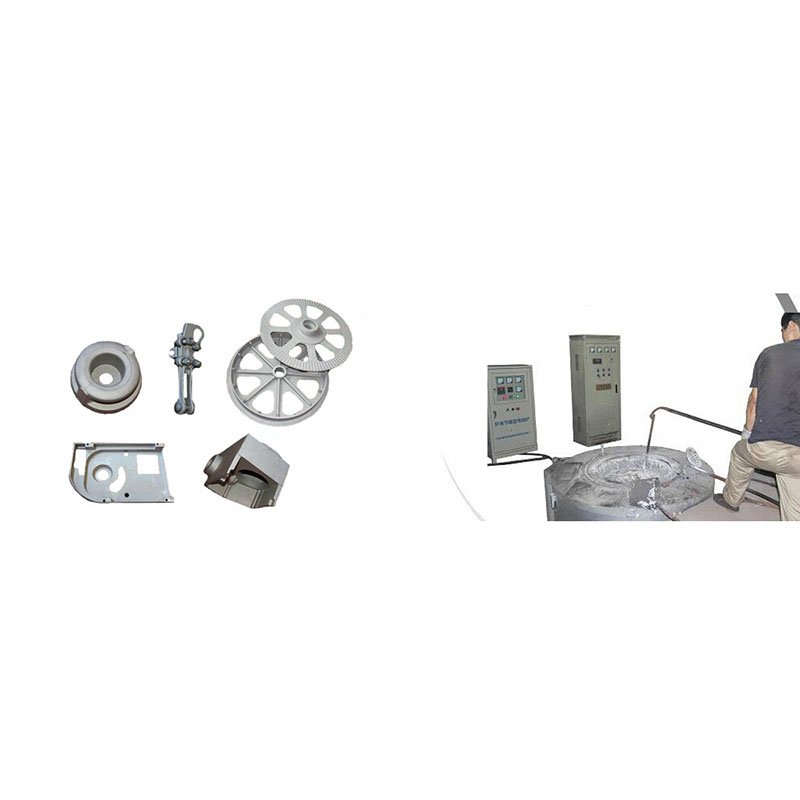
Key Regulatory Areas for Aluminum Foundry Operations
Environmental regulations for Aluminum Foundry facilities generally fall into five major categories. Understanding each is essential for maintaining compliance and avoiding penalties.
| Regulatory Area | Primary Concern | Typical Requirement |
|---|---|---|
| Air Quality | Emissions from melting, pouring, and molding | Scrubbers, baghouses, permits |
| Water Discharge | Cooling water, stormwater runoff | NPDES permits, treatment systems |
| Solid & Hazardous Waste | Sand, slag, dust, spent refractories | Manifesting, recycling, disposal |
| Noise Control | Equipment and process noise | dB limits, enclosures |
| Energy & Carbon | Furnace fuel consumption | Efficiency audits, reporting |
Air Emission Standards
The U.S. EPA regulates Aluminum Foundry air emissions under the Clean Air Act. Melting furnaces, die casting machines, and sand handling systems are all potential sources of particulate matter, volatile organic compounds, and hazardous air pollutants. Facilities typically need:
-
Title V permits for major sources
-
Baghouse filtration for particulate control
-
Afterburners or scrubbers for VOC reduction
-
Continuous emission monitoring in some cases
Xuxing helps foundries select and integrate emission control equipment that meets local air quality thresholds while optimizing airflow and energy use.
Waste Management and Recycling
Aluminum Foundry operations generate substantial waste streams, including spent sand, dross, slag, and refractory materials. Regulations distinguish between solid and hazardous waste, and proper handling is mandatory.
| Waste Type | Classification | Recommended Handling |
|---|---|---|
| Spent sand | Solid (often recyclable) | Thermal reclamation, reuse |
| Dross | Hazardous (may leach) | Licensed processor, recovery |
| Baghouse dust | Hazardous (varies) | Stabilization, landfill |
| Scrap metal | Solid | In-house remelting |
Recycling is both an environmental and economic opportunity. Xuxing supports closed-loop systems that recover aluminum values and reduce landfill dependence.
Water and Stormwater Regulations
Foundries use water for cooling, dust suppression, and sand conditioning. Discharges require NPDES permits or pretreatment before entering municipal systems. Stormwater permits often mandate:
-
Exposure controls for outdoor storage
-
Oil-water separators
-
Regular sampling and reporting
Aluminum Foundry FAQ
What permits are required to operate an Aluminum Foundry?
A typical Aluminum Foundry needs an air permit, stormwater permit, and possibly a hazardous waste generator ID. Local zoning and noise ordinances also apply. Xuxing assists with permit documentation and compliance planning.
How does an Aluminum Foundry control air emissions?
Emissions are controlled through capture hoods, baghouses, scrubbers, and afterburners. The specific setup depends on furnace type, alloy, and production volume. Regular monitoring ensures ongoing compliance.
Can an Aluminum Foundry recycle its own waste sand?
Yes, spent sand can often be thermally or mechanically reclaimed and reused. This reduces disposal costs and supports sustainability goals. Xuxing provides reclamation system design and integration.
Compliance Strategy and Best Practices
Meeting environmental regulations is not just about avoiding fines. It improves community relations, reduces long-term liability, and often lowers operating costs. Xuxing recommends:
-
Conducting annual environmental audits
-
Training staff on waste segregation
-
Investing in energy-efficient melting technology
-
Maintaining transparent records for regulators
Contact Us
Ready to bring your Aluminum Foundry operations into full environmental compliance? Xuxing offers end-to-end support, from permit guidance to equipment selection and waste reduction strategies. Contact us today to discuss how we can help you achieve regulatory peace of mind and sustainable performance.
