

What are the differences between wound type and bar type current transformers
2026-02-06
In the realm of electrical measurement and protection, the Current Transformer CT is an indispensable component, safely stepping down high currents for monitoring and control. Selecting the correct type is crucial for system accuracy and reliability. Two primary designs dominate the landscape: the wound type and the bar type. At XiFa, we specialize in providing high-precision instrument transformers, and understanding these differences is key to specifying the right component for your application.
The core distinction lies in their primary winding construction. A wound-type Current Transformer CT features a primary winding consisting of multiple turns of wire wound around the core. In contrast, a bar-type Current Transformer CT uses a single, straight conductor (or bar) that passes directly through the core window, acting as the primary winding. This fundamental difference drives their performance characteristics and ideal use cases.
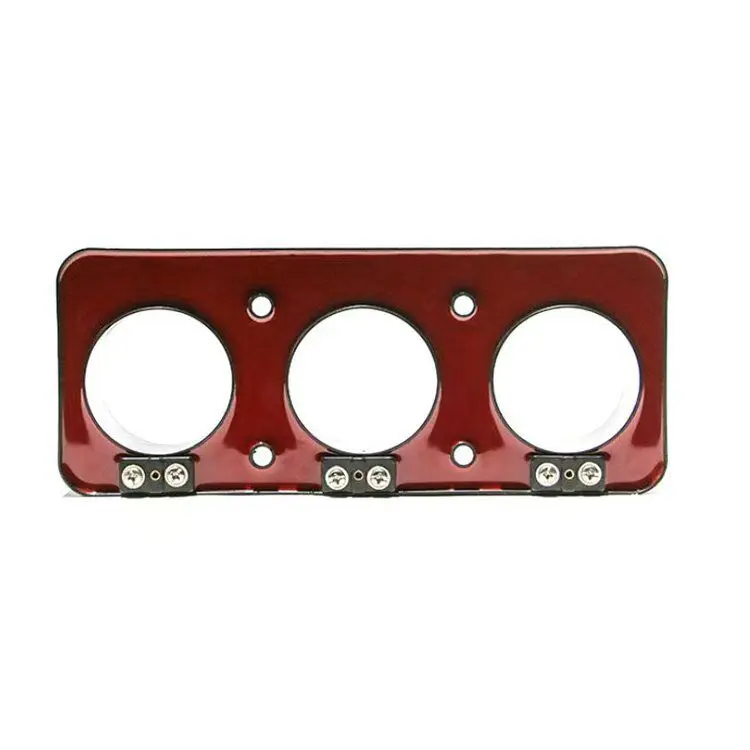
Key Differences at a Glance:
| Feature | Wound Type Current Transformer | Bar Type Current Transformer |
|---|---|---|
| Primary Winding | Multiple turns of insulated conductor. | A single straight bar or conductor. |
| Construction | More complex, with wound coils. | Simpler and more robust. |
| Transformation Ratio | Determined by turns ratio; offers a wider range of standard and custom ratios. | Ratio depends on the number of secondary turns relative to the single primary turn; often limited to lower ratios. |
| Best For | Lower primary current applications, metering, and situations requiring specific, non-standard ratios. | Very high primary current applications, switchgear, and where mechanical strength is paramount. |
Advantages and Disadvantages:
-
Wound Type CTs (XiFa's Specialty for Precision):
-
Pros: Higher accuracy at lower currents, flexible for custom ratios, excellent for metering class applications.
-
Cons: More expensive, limited thermal and dynamic current withstand capability compared to bar types.
-
-
Bar Type CTs (XiFa's Robust Solutions):
-
Pros: Simple, durable, excellent thermal and dynamic stability, ideal for protection relays in high-current circuits.
-
Cons: Less accuracy at very low currents, limited range of standard ratios.
-
Current Transformer CT FAQ
Q: Can a bar-type CT be used for revenue metering?
A: Typically, no. While bar-type CTs are reliable for protection, wound-type CTs from manufacturers like XiFa are generally preferred for metering due to their superior accuracy at low load percentages, which is critical for billing.
Q: What happens if a CT's secondary circuit is left open while the primary is energized?
A: This is extremely dangerous. An open-circuited secondary can cause a very high voltage to build up, posing a severe shock hazard, risking insulation breakdown, and potentially damaging the Current Transformer CT. Secondary terminals must always be shorted if not connected to a load.
Q: How does XiFa ensure the accuracy of its CTs?
A: XiFa employs advanced core materials, precision winding techniques, and rigorous testing in accordance with international standards (IEC, IEEE). Each XiFa Current Transformer CT undergoes comprehensive verification of ratio, phase angle, and insulation integrity to guarantee performance.
Choosing between a wound-type and bar-type Current Transformer CT hinges on your specific requirements for current rating, accuracy class, and application. For precision measurement and custom solutions, XiFa's expertise in wound-type technology is unmatched. For demanding high-current protection roles, our robust bar-type designs deliver unwavering reliability.
Still unsure which Current Transformer CT is right for your project? Our engineering team at XiFa is ready to assist. Contact us today for a professional consultation and discover the XiFa difference in quality and performance.
