

What Are the Common Failure Signs of a CNC Spindle Drawbar Pull-Stud Grip
2026-08-17
For any machining workshop, the integrity of the tool-holding system is non‑negotiable. The CNC Spindle Drawbar and its pull‑stud grip are the silent workhorses that determine whether a precision cut succeeds or a costly crash occurs. At S‑SEN, we have spent years analyzing field failures, and we can tell you this: most pull‑stud grip issues do not appear suddenly—they announce themselves through subtle, repeatable warning signs. Ignoring these early signals leads to scrapped parts, damaged spindles, and unplanned downtime. This guide walks you through the seven most common failure indicators, backed by mechanical logic and practical shop‑floor experience.
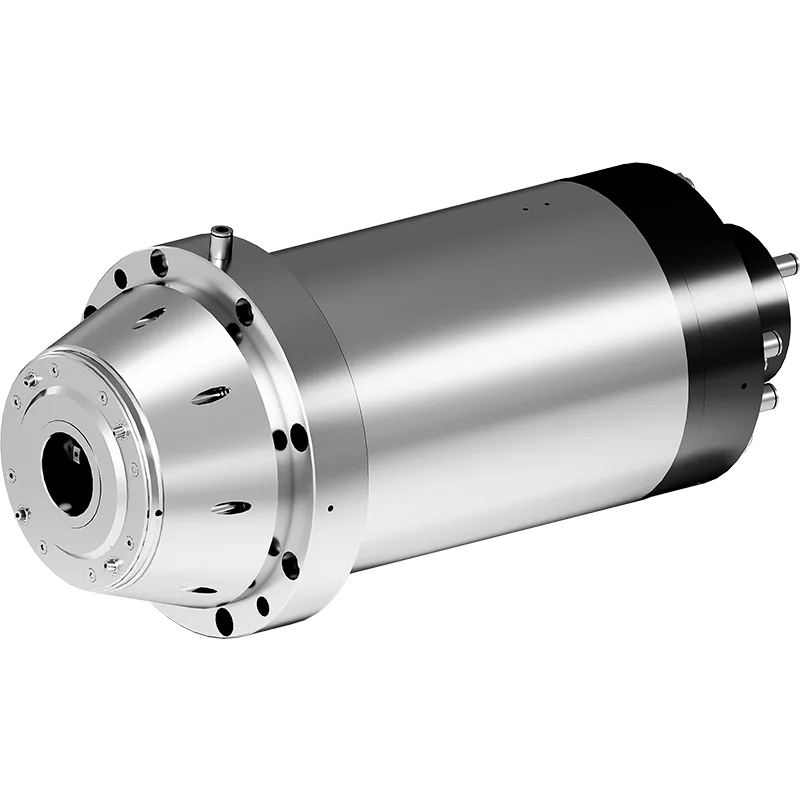
1. The Seven Warning Signs of a Failing Pull‑Stud Grip
| Failure Sign | What You Observe | Root Cause |
|---|---|---|
| Inconsistent Tool Length Offset | Repeated tool measurement cycles give different Z‑axis values; tool appears to “grow” or “shrink” between tool changes. | Worn or deformed Belleville springs reduce CNC Spindle Drawbar clamping force, allowing the pull‑stud to micro‑shift under cutting loads. |
| Chatter Marks on Finished Surfaces | High‑frequency vibration patterns appear on sidewalls or floors, even with sharp tools and rigid fixtures. | Uneven grip pressure causes the tool holder to tilt slightly, destroying radial runout stability. |
| Black Dust Around the Spindle Nose | Fine metallic or carbon‑like powder collects on the taper and around the pull‑stud access hole. | Fretting wear between the pull‑stud shoulder and the CNC Spindle Drawbar gripper fingers—this is metal fatigue in progress. |
| Audible Clicking or Squeaking During Tool Unclamp | A distinct metal‑on‑metal screech or delayed release sound during automatic tool change (ATC) cycles. | Dry or broken gripper fingers; the pull‑stud is no longer seating or releasing cleanly. |
| Pull‑Stud Thread Galling | Visible scoring or twisted threads on the pull‑stud when removed; difficulty threading it back into the holder. | Over‑torqued installation or misalignment between the drawbar axis and the holder shank. |
| Coolant Leakage from the Pull‑Stud Bore | Coolant seeps out through the center of the pull‑stud even when through‑spindle coolant is not active. | The pull‑stud’s sealing O‑ring has failed, or the grip pressure is so low that the stud shifts, breaking the seal. |
| Sudden Tool Drop During Heavy Milling | The tool holder falls out of the taper immediately after a heavy cut, or the ATC arm drops the holder prematurely. | Catastrophic loss of CNC Spindle Drawbar clamping force—usually from fractured Belleville springs or a broken drawbar actuator piston. |
2. Why Early Detection Matters
Every one of these signs translates directly into financial loss. A 0.02 mm runout increase from a weak grip can reduce tool life by 40% and triple surface finish rejection rates. S‑SEN recommends a weekly “pull‑test” check using a calibrated tension gauge for any spindle running more than 40 hours per week. Additionally, monitor your ATC air pressure logs—a gradual pressure increase needed to unclamp often signals internal CNC Spindle Drawbar wear before any audible noise appears.
3. Root Cause Analysis: The Mechanical Chain
The pull‑stud grip depends on three critical subsystems working in harmony:
-
Spring stack (Belleville washers) – provides static clamping force.
-
Gripper fingers / collet – transmit that force to the pull‑stud shoulder.
-
Actuator (hydraulic or pneumatic) – overcomes spring force to release.
If any one of these degrades, the entire grip fails. For example, a single cracked Belleville washer reduces total stack load by approximately 8‑12%, yet many shops continue running until three or four washers fracture. At S‑SEN, our service records show that 70% of pull‑stud grip failures are traced back to improper lubrication schedules or using non‑spec pull‑studs with incorrect shoulder angles (15° vs. 20° mismatch).
4. CNC Spindle Drawbar FAQ – Common Questions from the Field
Q1: How often should I replace the Belleville springs in my CNC Spindle Drawbar?
A1: There is no fixed calendar interval—it depends on cycle count and cutting severity. However, a proven industry rule is to inspect them every 500,000 tool‑change cycles for light‑duty machining, and every 200,000 cycles for heavy roughing applications. More practically, we recommend a visual and force‑test inspection every 6 months of 3‑shift operation. Replace the entire spring stack if you measure more than 5% loss in initial clamp force, or if you find any cracked, flattened, or corroded washers. S‑SEN offers pre‑calibrated spring kits with matched load curves to simplify this process.
Q2: Can using an aftermarket pull‑stud damage my CNC Spindle Drawbar gripper fingers?
A2: Absolutely—and this is one of the most overlooked failure contributors. The pull‑stud shoulder angle, hardness (HRC), and under‑head radius must precisely match your drawbar’s gripper geometry. Aftermarket studs often have a 45° shoulder instead of the standard 30° or 15°, which concentrates stress on the outer edges of the gripper fingers. Over 200‑300 cycles, this causes premature finger cracking and uneven wear. Always use pull‑studs that are certified to your spindle’s original specifications. S‑SEN stocks OEM‑equivalent pull‑studs with hardened gripper contact zones to extend finger life by up to 300%.
Q3: What air pressure should I read at the unclamp port, and what does a drop indicate?
A3: For pneumatic drawbars, the nominal unclamp pressure is typically 85‑100 psi (6‑7 bar) at the actuator inlet, measured while the cycle is active. If you observe a sustained drop of 8‑10 psi below your baseline (recorded when the drawbar was new), it usually indicates one of three issues: (a) internal air leakage past the actuator piston seals, (b) a restricted exhaust muffler causing back‑pressure, or (c) increased friction from dry gripper slides. Do not simply raise the regulator pressure to compensate—this masks the underlying wear and can over‑stress the actuator cylinder. Instead, perform a leak‑down test on the pneumatic circuit and inspect the piston O‑rings. S‑SEN diagnostic kits include a digital pressure logger that tracks these trends automatically.
5. Proactive Maintenance Protocol
| Action | Frequency | Acceptable Threshold |
|---|---|---|
| Measure clamp force with tension gauge | Weekly | Within ±5% of factory spec |
| Inspect pull‑stud shoulder for galling | Every tool change (visual quick‑check) | No scratches or step wear |
| Lubricate gripper fingers (high‑temp grease) | Every 1,000 cycles | Even grease film, no black residue |
| Check ATC unclamp time (from signal to release) | Monthly | < 0.8 second deviation from baseline |
| Replace pull‑stud O‑rings | Every 5,000 cycles or 6 months | No coolant bypass |
6. The Cost of Neglect
A single dropped tool during a high‑speed finishing pass can destroy a $15,000 spindle cartridge and scrap a $2,000 workpiece. Beyond the immediate repair bill, the hidden costs include lost production time, re‑qualification of the machine geometry, and potential safety hazards for operators. S‑SEN has documented cases where early detection of black dust (sign #3) allowed a shop to replace only the gripper fingers ($180 part) instead of a full drawbar cartridge rebuild ($4,200). The ROI of a structured inspection schedule is undeniable.
7. When to Call a Specialist
If you observe two or more of the warning signs simultaneously—for example, both chatter marks and inconsistent tool lengths—do not run the spindle further. Perform a full drawbar stroke test with a dial indicator to measure the travel distance of the pull‑stud. A stroke that deviates by more than 0.2 mm from the nominal value indicates internal spring collapse or piston misalignment. At this point, an in‑house maintenance team may not have the specialized puller tools or the drawbar alignment fixtures required for a safe rebuild.
Contact us at S‑SEN today for a comprehensive CNC Spindle Drawbar health assessment. Our engineering team provides on‑site force testing, ultrasonic gripper inspection, and same‑day emergency rebuild kits for most major spindle brands. Visit our website or call your regional support line—we will send you a free drawbar inspection checklist and a discounted first‑service coupon. Do not wait for the tool to drop; let us help you secure your precision, one grip at a time.
