What are the common failure modes of Spherical Roller Thrust Bearings and how to prevent them
2026-01-22
As a critical component in heavy-duty machinery, Spherical Roller Thrust Bearings are engineered to withstand immense axial loads and moderate radial loads while accommodating misalignment. However, even these robust components can fail, leading to costly downtime. Understanding these failure modes is the first step toward prevention, a principle that guides every bearing solution from BMT. This analysis draws on decades of field experience to help you maximize bearing life and operational reliability.
The most prevalent failure modes for these bearings are often interlinked. Recognizing their signs and root causes is crucial for effective maintenance.
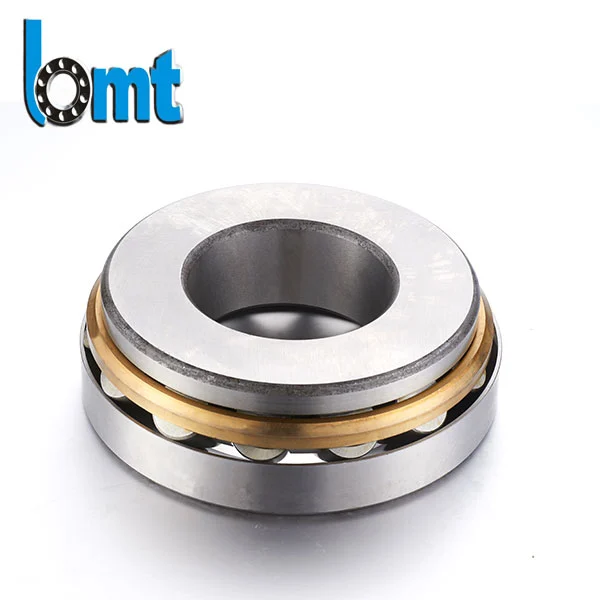
Common Failure Modes and Their Primary Causes:
-
Fatigue Spalling: Flaking of material from raceways or rollers due to repeated stress cycles, ultimately leading to vibration and noise.
-
Lubrication Failure: Inadequate, contaminated, or degraded lubricant causing excessive wear, overheating, and adhesive wear (smearing).
-
Contamination: Ingress of abrasive particles (dirt, debris) leading to indentations, accelerated wear, and lubricant breakdown.
-
Improper Installation: Incorrect mounting, handling damage, or misalignment exceeding the bearing's self-aligning capacity, creating localized stress points.
-
Overheating: Often a result of excessive loads, incorrect fits, or lubrication issues, leading to loss of material hardness and premature failure.
Prevention Strategy Overview
| Failure Mode | Prevention Best Practices |
|---|---|
| Fatigue Spalling | Adhere to calculated load ratings, ensure proper shaft & housing fits to avoid preload, and use bearings with adequate Dynamic Load Rating. |
| Lubrication Failure | Follow a strict re-lubrication schedule using the correct grease/oil type and quantity. Utilize sealed housings where possible. |
| Contamination | Implement effective sealing solutions (labyrinth seals, etc.), maintain a clean work environment during installation and service. |
| Improper Installation | Use appropriate tools (induction heaters, hydraulic nuts), follow BMT mounting guidelines precisely, and verify alignment post-installation. |
| Overheating | Monitor operating temperatures regularly, ensure adequate cooling, and verify load conditions are within specified limits. |
Spherical Roller Thrust Bearings FAQ
What is the main advantage of a spherical roller thrust bearing over other thrust types?
Its primary advantage is the ability to accommodate shaft misalignment while carrying very high axial loads. The spherical rolling elements and raceway geometry allow for self-alignment, protecting the bearing from the edge loading that would quickly destroy a standard thrust bearing.
How often should I lubricate my spherical roller thrust bearing?
There is no universal interval; it depends on operating speed, temperature, and environment. The best practice is to follow the manufacturer's lubrication guidelines, such as those provided in BMT's technical documentation, and complement this with condition-based monitoring (e.g., inspecting grease samples for contamination and degradation).
Can spherical roller thrust bearings handle radial loads?
Yes, they can support significant radial loads concurrently with axial loads, typically up to a certain percentage (e.g., 55%) of the axial load capacity. However, they are primarily designed for axial load, and applications with substantial radial load components should be reviewed by an engineer, like those at BMT, to ensure correct bearing selection.
Proactive maintenance, rooted in a deep understanding of failure mechanics, is the most effective strategy for ensuring the longevity of your Spherical Roller Thrust Bearings. By implementing the preventive measures outlined and partnering with a knowledgeable supplier, you can significantly reduce unplanned downtime. For a bearing audit, technical support, or to discuss a specific application challenge with our engineering team, we invite you to contact us directly. Trust BMT to provide not just the bearing, but the expertise to ensure its success in your most demanding applications.