

What Are The Common Causes Of Pressure Regulator Failure
2026-02-10
A Pressure Regulator is a critical component in countless fluid and gas systems, ensuring safe, stable, and precise downstream pressure. Understanding why these devices fail is key to preventing downtime, safety hazards, and costly repairs. At SANHENG, our expertise in flow control solutions provides deep insight into the common failure modes that can compromise Pressure Regulator performance. This blog explores these causes and offers guidance on mitigation.
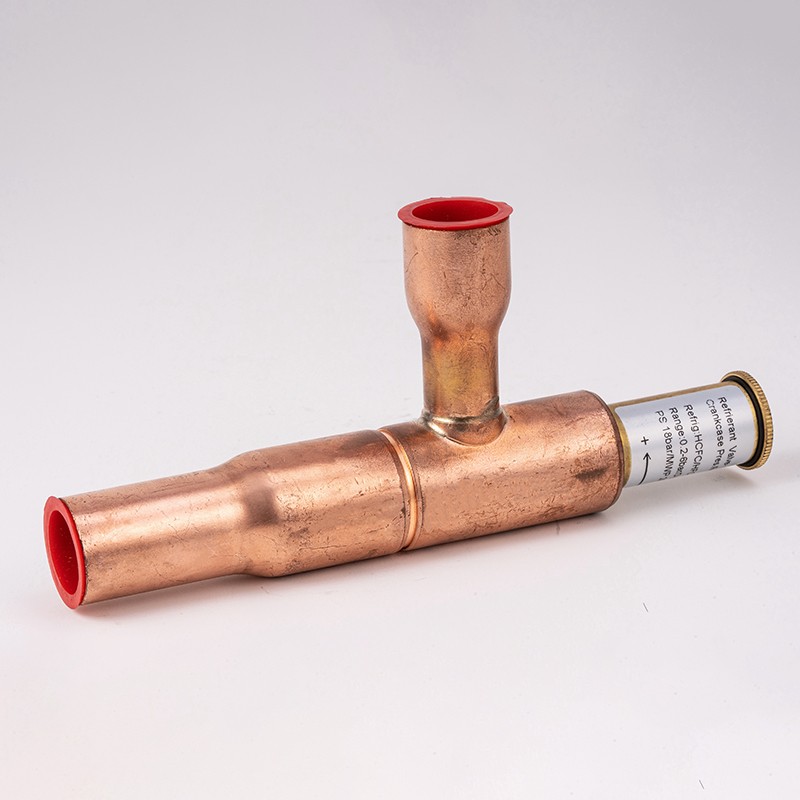
Top Common Causes of Pressure Regulator Failure
The failure of a Pressure Regulator typically stems from a few recurring issues. Recognizing these early can save significant operational headaches.
-
Contamination: This is the leading cause of failure. Particulates, pipe scale, or debris in the media can clog the internal orifice, cause wear on the seat and diaphragm, or prevent the valve from sealing properly.
-
Improper Selection: Using a regulator not suited for the application’s pressure range, flow rate, temperature, or media compatibility (e.g., using a standard regulator for corrosive fluids) leads to premature failure.
-
Overpressure and Water Hammer: Sudden upstream pressure spikes or the hydraulic shock of water hammer can instantly damage internal components, rupture diaphragms, or cause the regulator to lock open or closed.
-
Wear of Internal Components: Over time, normal cyclic operation wears down critical parts like the main valve seat, diaphragm, and springs, degrading performance and accuracy.
-
Installation Errors: Incorrect orientation, insufficient upstream piping support, or improper venting for relief-style regulators can induce failure.
Pressure Regulator Failure Analysis at a Glance
The table below summarizes the causes, symptoms, and preventive actions.
| Failure Cause | Common Symptoms | Recommended Preventive Action |
|---|---|---|
| Contamination | Erratic pressure, inability to set pressure, leaking | Install adequate upstream filtration (e.g., SANHENG strainers). |
| Improper Selection | Inaccurate control, corrosion, chronic under/over-pressure | Consult with experts like SANHENG to match specs to the application. |
| Overpressure / Water Hammer | Sudden catastrophic failure, damaged diaphragm | Use surge protectors and select regulators with overpressure protection. |
| Normal Wear & Tear | Gradual loss of accuracy, creeping pressure | Implement a routine maintenance and inspection schedule. |
Pressure Regulator FAQ
Q: What are the signs that my Pressure Regulator is failing?
A: Key signs include downstream pressure creep (rising pressure when no flow is demanded), droop (falling pressure under flow), inability to adjust to the setpoint, excessive chattering or noise, and visible leaks from the vent or body.
Q: Can a failed Pressure Regulator be repaired, or must it be replaced?
A: Many industrial regulators from quality brands like SANHENG are designed for serviceability. Common wear parts like seats, diaphragms, and seals can often be replaced via repair kits. However, replacement is advised if the main body is corroded or damaged.
Q: How often should a Pressure Regulator be maintained?
A: There's no universal interval. Maintenance frequency depends on the duty cycle, media cleanliness, and criticality of the application. Inspecting regulators annually is a good baseline, but harsher conditions require more frequent checks based on performance monitoring.
Don't let regulator failure disrupt your operations. If you're experiencing persistent control issues or need guidance on selecting the right robust Pressure Regulator for your system, SANHENG’s engineering team is here to help. Contact us today for a professional consultation to ensure your system's reliability and safety.
