What Are the Bolt Torque Specifications for a Fixed Mast Arm Sign Bracket
2026-07-28
When specifying traffic sign mounting hardware, the single most overlooked variable is bolt torque. Under-tighten a Fixed Mast Arm Sign Bracket, and wind vibration will slowly work the nuts loose; over-tighten it, and you risk stripping threads or crushing the mast arm itself. For over a decade, Haozhifeng has supplied corrosion-resistant mounting systems to DOTs and infrastructure contractors worldwide, and we consistently see the same gap: most field crews rely on "feel" rather than published torque charts. This blog delivers the exact numbers, the reasoning behind them, and the quality assurance protocols that separate a safe installation from a future liability.
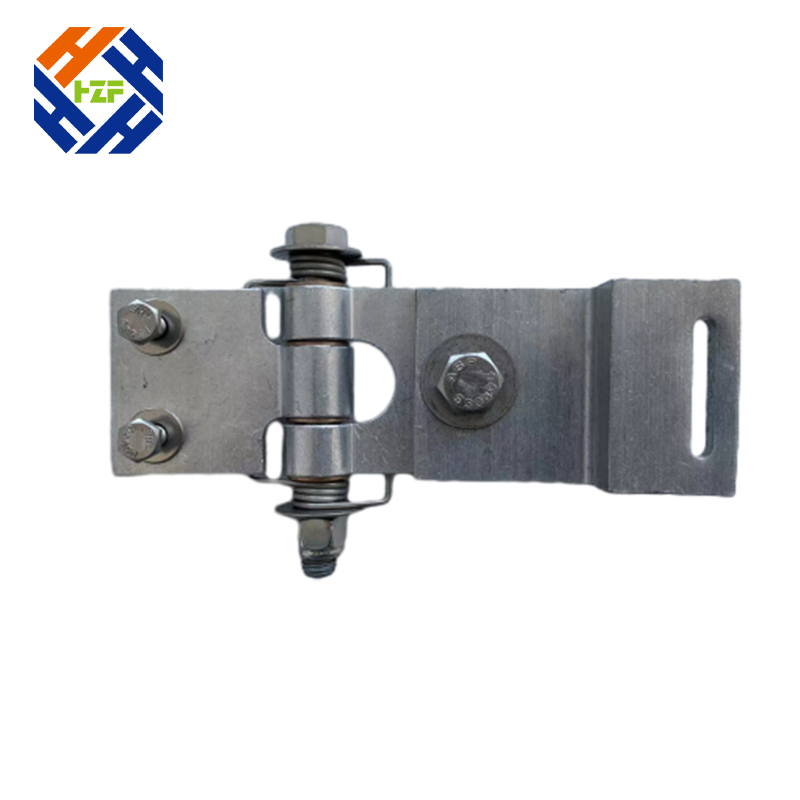
Why Bolt Torque Matters More Than You Think
A Fixed Mast Arm Sign Bracket experiences dynamic loads—gusts, truck wake, thermal expansion, and even harmonic oscillation. The bolted connection must maintain clamp force without exceeding the yield strength of the steel or aluminum components. Incorrect torque leads to:
-
Fatigue fractures at the bolt holes (from insufficient clamp force allowing micromovement).
-
Thread galling (especially with stainless steel fasteners).
-
Premature loosening despite using lock washers or nylon inserts.
Haozhifeng engineers recommend always using a calibrated torque wrench and applying a dry-film lubricant only when specified by the fastener grade.
Standard Torque Table for Fixed Mast Arm Sign Bracket Bolts
The table below applies to Grade 5 steel bolts (zinc-plated or hot-dip galvanized) commonly used with Haozhifeng brackets. For stainless steel (A2-70), reduce values by 15%.
| Bolt Diameter (inches) | Thread Pitch (UNC) | Recommended Torque (ft‑lb) | Acceptable Range (ft‑lb) | Application Note |
|---|---|---|---|---|
| ½" | 13 | 75 | 70 – 80 | Mast arm clamp bolts |
| ⅝" | 11 | 110 | 100 – 120 | Bracket-to-arm primary |
| ¾" | 10 | 190 | 180 – 200 | Sign panel attachment |
| ⅞" | 9 | 300 | 285 – 315 | Heavy cantilever base |
| 1" | 8 | 420 | 400 – 440 | Double-arm configurations |
Critical: These values assume clean, dry threads. If you apply anti-seize compound, decrease torque by 20% to avoid over-stressing the fastener.
Step‑by‑Step Torquing Sequence for Field Crews
-
Hand‑tighten all bolts in a cross‑pattern.
-
First pass – apply 50% of target torque in the same pattern.
-
Final pass – apply 100% target torque, then verify with a click‑type wrench.
-
Mark each bolt head with a paint stripe for visual post‑installation inspection.
Haozhifeng provides laser‑etched torque indicators on our premium bracket series, eliminating guesswork for rapid field verification.
3 Essential FAQs About the Fixed Mast Arm Sign Bracket
Q1: Can I reuse bolts and nuts on a Fixed Mast Arm Sign Bracket after disassembly?
A: No, and this is non‑negotiable. Fasteners that have been torqued to specification undergo micro‑yielding in the thread roots. Reusing them on a Fixed Mast Arm Sign Bracket reduces the effective clamp force by up to 30%, even if they appear undamaged. Haozhifeng always supplies new Grade 5 or Grade 8 hardware with each bracket shipment. If you must reuse (emergency repair), replace the nuts with new prevailing‑torque types and reduce the torque value by 10 ft‑lb, but we strongly advise against it for permanent installations.
Q2: How often should I re‑torque a Fixed Mast Arm Sign Bracket after installation?
A: We recommend a three‑stage schedule. First, re‑torque after 48 hours of initial installation (allows bedding‑in of coatings and threads). Second, re‑torque at 6 months to catch any settlement from thermal cycling. Third, re‑torque every 24 months thereafter as part of routine structural inspections. For coastal or high‑vibration zones (bridges, overpasses), reduce the interval to 12 months. Haozhifeng includes a re‑torque log sticker with every bracket—attach it to the mast arm for easy record‑keeping.
Q3: What happens if I over‑torque a Fixed Mast Arm Sign Bracket by 20% accidentally?
A: Over‑torquing by 20% typically pushes the bolt into the plastic deformation zone. While the bracket may feel "extra secure," the bolt has actually lost its elastic recovery capacity. Under wind loading, it will stretch permanently, causing a sudden drop in clamp force—often within 3–6 months. In addition, over‑torquing can ovalize the mast arm holes, making future bracket replacements difficult. If you suspect over‑torque, back the bolt out completely, inspect the threads for necking (reduction in diameter), and replace the fastener set. Haozhifeng’s technical team offers free torque‑verification calculators upon request.
Material‑Specific Adjustments
| Bracket Material | Bolt Grade | Torque Multiplier vs. Steel Table |
|---|---|---|
| Galvanized Steel | Grade 5 | 1.00 (baseline) |
| Stainless Steel | A2‑70 | 0.85 |
| Aluminum 6061‑T6 | Grade 2 | 0.60 (use caution – low yield) |
| ASTM A325 (structural) | A325 | 1.15 (turn‑of‑nut method preferred) |
Always consult the specific product datasheet for your Haozhifeng Fixed Mast Arm Sign Bracket—each model is independently load‑tested and ships with a unique torque placard.
Common Field Mistakes That Void Warranty
-
Using impact wrenches without a torque limiter.
-
Mixing lubricants (oil + graphite) that alter friction coefficients.
-
Ignoring hole alignment—forcing bolts to close gaps creates residual shear stress.
-
Omitting flat washers under both bolt head and nut (critical for bearing distribution).
Haozhifeng brackets feature precision‑reamed holes and pre‑installed hardened washers to eliminate these variables. Our QA team randomly torque‑tests 5% of every production batch to verify consistency.
Final Recommendation for Specification Writers
Include this exact clause in your project specs: “All Fixed Mast Arm Sign Bracket bolted connections shall be tightened to the torque values published by the bracket manufacturer, using a calibrated wrench with a current certification. No impact tools shall be used for final tightening. Torque verification shall be documented and signed off by the site supervisor.”
Contact Us for Your Next Project
Selecting the right Fixed Mast Arm Sign Bracket goes beyond torque—it involves wind load calculations, arm diameter compatibility, finish durability, and seismic considerations. Haozhifeng offers free engineering support, custom drilling patterns, and same‑day torque charts for any bracket size. Visit our technical library or reach out to our applications team directly—we respond within 4 business hours with site‑specific recommendations. Contact us today to request a sample kit or schedule a virtual installation walkthrough. Your safety is our specification.