What Are the Advantages of EMI Conductive Springs Over Other Shielding Methods
2026-11-06
Electromagnetic interference remains one of the most persistent challenges in modern electronics, and selecting the right shielding solution directly affects performance, cost, and design flexibility. EMI Conductive Springs from Qiyiguo have emerged as a compelling alternative to traditional shielding approaches, offering engineers a reliable path to compliance without compromising assembly efficiency. This article examines how EMI Conductive Springs compare with conventional methods and why they deserve a place in your next design.
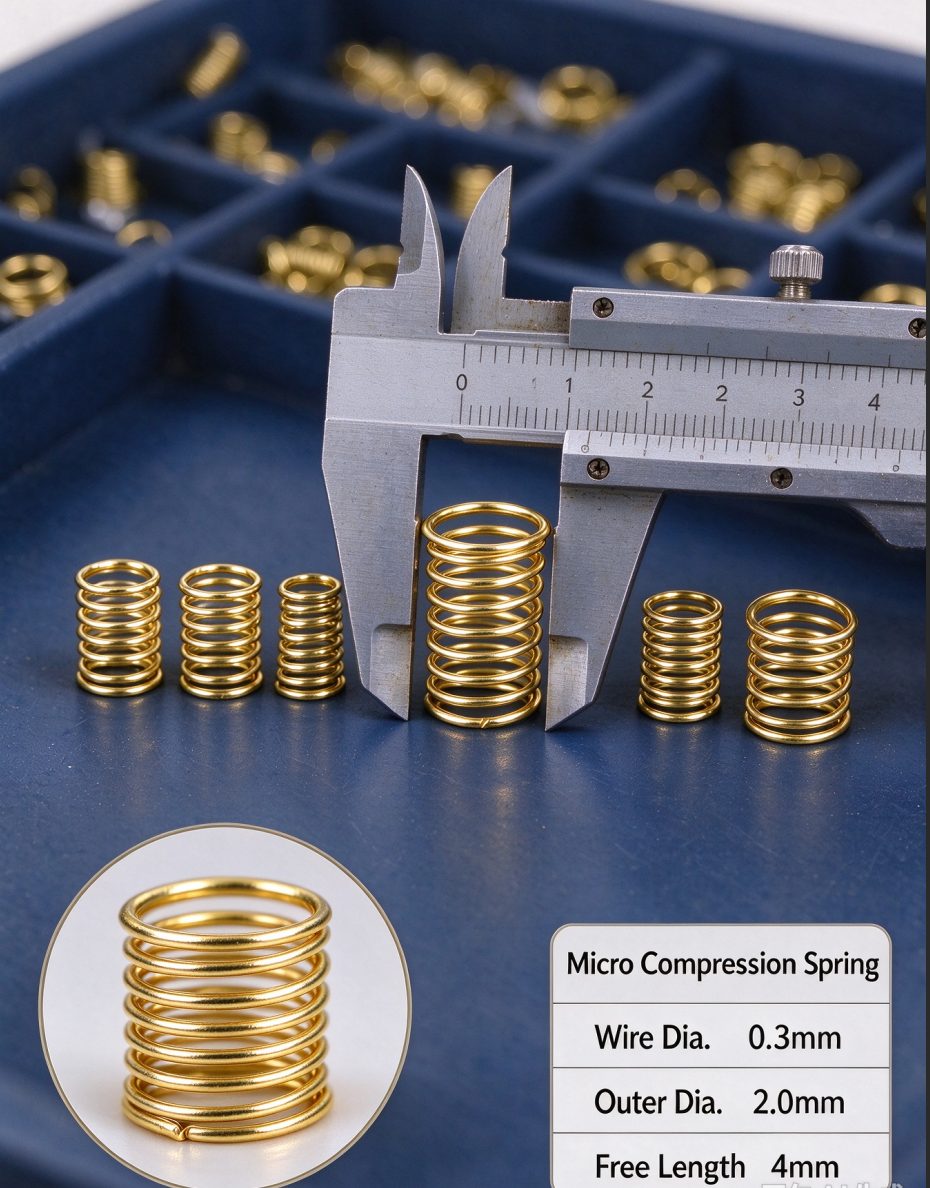
Key Advantages of EMI Conductive Springs
EMI Conductive Springs deliver measurable benefits across the product lifecycle. The table below summarizes how they stack up against common alternatives.
| Criterion | EMI Conductive Springs | Conductive Gaskets | Metal Cans/Shields | Conductive Tape |
|---|---|---|---|---|
| Reusability | High — repeated compression cycles | Low — deformation over time | Moderate — fixed installation | None — single use |
| Contact Resistance | Low and stable | Moderate | Low but joint-dependent | Variable |
| Assembly Speed | Fast — snap-in or SMT options | Slow — manual placement | Moderate — soldering required | Fast but labor-intensive |
| Design Flexibility | High — custom geometries | Limited to standard profiles | Low — tooling dependent | Low |
| Thermal Performance | Good — metal contact paths | Poor | Moderate | Poor |
| Cost Efficiency | Competitive at volume | Moderate to high | High tooling cost | Low unit cost, high rework |
Qiyiguo engineers EMI Conductive Springs with precision tolerances, ensuring consistent spring force and long-term reliability in demanding environments.
Why EMI Conductive Springs Outperform Other Methods
-
Superior grounding stability: EMI Conductive Springs maintain consistent contact force, reducing impedance variation that plagues gaskets and tape.
-
Repeatable assembly: Unlike single-use tape, EMI Conductive Springs tolerate repeated open-close cycles in serviceable enclosures.
-
Space savings: Compact profiles free up board real estate compared with bulky metal cans.
-
Broad material selection: Qiyiguo offers beryllium copper, stainless steel, and phosphor bronze options to match conductivity and corrosion requirements.
-
Simplified compliance testing: Stable shielding effectiveness shortens EMC qualification cycles.
EMI Conductive Spring FAQ
Q: How do EMI Conductive Springs differ from conductive gaskets in shielding performance?
A: EMI Conductive Springs rely on mechanical spring force to maintain continuous metal-to-metal contact, which keeps contact resistance low and stable across temperature and vibration cycles. Conductive gaskets depend on elastomer compression and can relax over time, causing shielding degradation.
Q: Can EMI Conductive Springs be used in high-frequency applications?
A: Yes. EMI Conductive Springs provide low-inductance grounding paths that are effective well into the gigahertz range. Proper placement and compression force are key, and Qiyiguo can recommend geometries optimized for your frequency profile.
Q: What factors should I consider when selecting EMI Conductive Springs?
A: Evaluate compression force, contact resistance, plating compatibility, and cycle life. Qiyiguo provides technical datasheets and application support to match EMI Conductive Springs to your enclosure design and environmental conditions.
Conclusion
Choosing the right shielding method shapes product reliability and time-to-market. EMI Conductive Springs offer reusability, stable grounding, and design freedom that many conventional methods cannot match. Qiyiguo combines precision manufacturing with application expertise to deliver EMI Conductive Springs tailored to your requirements.
Contact us today to discuss your shielding challenge and request samples of Qiyiguo EMI Conductive Springs for evaluation.