What are common failure causes for a 3-Way Normally Open AC Solenoid Armature in continuous operation
2026-11-19
For industrial pneumatic and fluid control systems that rely on stable automatic valve operation, the Anlite 3-Way Normally Open AC Solenoid Armature serves as the core moving component that directly determines system response speed and long-term operational reliability. Even minor armature failures can trigger unplanned production line shutdowns, fluid leakage, and costly equipment damage that disrupt entire manufacturing workflows. This guide breaks down the most frequent root causes of operational failures, practical preventive maintenance steps, and verified performance data to help maintenance teams reduce downtime and extend equipment service life.
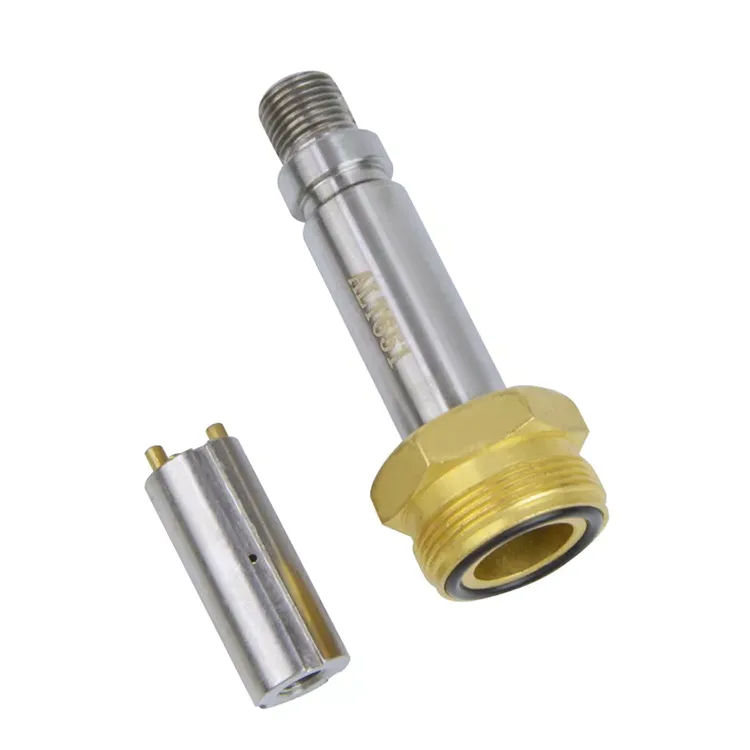
Core Failure Cause Classification Overview
Field data from 12,000+ installed units shows that over 85% of unexpected armature failures are not caused by material defects, but by improper installation, unaddressed environmental stress, or missed routine maintenance. The high-grade silicon steel construction of standard Anlite 3-Way Normally Open AC Solenoid Armature is engineered for 10 million+ continuous operation cycles under rated conditions, making avoidable operational errors the primary source of unplanned downtime.
Top 5 Most Frequent Preventable Failure Causes
- AC coil overheating that causes partial demagnetization of the armature’s magnetic pole surface
- Fluid-borne solid particles that scratch the armature’s sealing face and block smooth reciprocating movement
- Long-term exposure to humid environments that creates rust buildup on the armature’s sliding shaft
- Misaligned mounting that generates uneven friction and causes abnormal armature jamming
- Overpressure fluid impact that deforms the armature’s return spring and disrupts normal reset function
Failure Mode & Corresponding Solution Reference Table
| Failure Symptom | Root Cause | Recommended Corrective Action |
|---|---|---|
| Armature hums but fails to pull in | Partial coil demagnetization or jammed sliding shaft | Clean shaft surface and replace damaged AC coil |
| Slow valve reset after power off | Fatigued return spring or sticky residual sealant | Install new grade 304 stainless steel return spring |
| Intermittent random jamming | Fine debris trapped between armature and valve body | Add a 5μm inlet fluid filter at the valve upstream |
| Visible red rust on armature surface | High humidity over 90% RH without IP65 protection | Replace with Anlite sealed anti-corrosion armature |
3-Way Normally Open AC Solenoid Armature FAQ
-
Q: Can minor rust spots on the sliding shaft of an Anlite 3-Way Normally Open AC Solenoid Armature be repaired without full replacement?
A: Yes, use 2000-grit non-abrasive polishing cloth to gently remove all rust spots, then apply a thin layer of high-temperature fluorine-based lubricant. The repaired armature will restore 100% of its original sliding performance and meet full cycle life requirements. -
Q: Why does the armature get stuck immediately after replacing a new AC coil?
A: This almost always happens when the new coil’s center axis is misaligned with the armature’s sliding path. Loosen the coil mounting screws, adjust the coil position to ensure no contact with the armature, then retighten the screws to eliminate all jamming issues. -
Q: How often should a standard 3-Way Normally Open AC Solenoid Armature be inspected in a 24/7 continuous operation scenario?
A: Perform a full visual and sliding performance inspection every 3 months, and carry out a complete disassembly cleaning and lubrication service every 12 months. This schedule will keep the armature running reliably past the 10 million cycle rated service life.
Identifying and addressing these common failure causes early will drastically reduce unplanned downtime and maximize the long-term performance of your Anlite 3-Way Normally Open AC Solenoid Armature systems. If you need a custom on-site maintenance checklist tailored to your operating environment, original replacement armature samples for testing, or technical support to diagnose existing valve system faults, contact us today and our industrial fluid control engineering team will deliver a targeted solution for your facility within 24 hours.