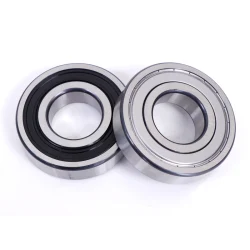
Understanding Bearings: The Unsung Heroes of Modern Engineering
2024-08-12
Bearings are often overlooked in the grand scheme of mechanical design, yet they are one of the most critical components in countless machines and devices. From household appliances to industrial machinery, bearings play a pivotal role in reducing friction, supporting loads, and enabling smooth and efficient motion. In this blog post, we'll delve into what bearings are, how they work, and why they are indispensable in modern engineering.
1. What Are Bearings?
At their core, bearings are mechanical components designed to constrain relative motion to a specific direction and reduce friction between moving parts. They support the rotational or linear movement of components such as shafts, axles, and wheels, ensuring smooth and controlled motion.
Bearings come in various types and designs, each tailored to specific applications and operating conditions. The most common types include ball bearings, roller bearings, and plain bearings. Each type has unique characteristics that make it suitable for particular uses.
2. How Do Bearings Work?
Bearings function by utilizing rolling elements (such as balls or rollers) or sliding surfaces to reduce friction between moving parts. The rolling elements are housed within a raceway, which guides their motion and distributes the load. The reduction in friction allows machines to operate more efficiently, with less wear and tear on components.
- Ball Bearings: These are the most common type of bearing and are used in a wide range of applications. Ball bearings consist of spherical balls that roll between an inner and outer raceway, reducing friction and allowing for smooth rotation. They are ideal for applications with low to moderate loads and high-speed rotation.
- Roller Bearings: Roller bearings use cylindrical or tapered rollers instead of balls. These bearings are designed to handle heavier loads and are often used in industrial machinery, automotive applications, and heavy-duty equipment. The larger contact area between the rollers and raceways allows them to support greater loads than ball bearings.
- Plain Bearings: Also known as bushings, plain bearings consist of a smooth surface that slides against another surface. They are typically used in applications where low-speed motion and heavy loads are present, such as in construction machinery and automotive suspension systems.
3. The Importance of Bearings in Engineering
Bearings are vital components in modern engineering, and their importance cannot be overstated. Here are a few key reasons why bearings are so crucial:
- Reducing Friction: Bearings significantly reduce friction between moving parts, which in turn reduces energy consumption and wear. This makes machines more efficient and extends the lifespan of components.
- Supporting Loads: Bearings are designed to support radial and axial loads, ensuring that shafts and other rotating components remain in place during operation. This load-bearing capability is essential for maintaining the structural integrity of machines.
- Enabling Smooth Motion: Whether in a simple bicycle wheel or a complex industrial robot, bearings enable smooth and controlled motion. This is essential for the precise operation of machinery and equipment.
- Improving Reliability: Well-designed bearings improve the reliability of machines by minimizing the risk of mechanical failure. They are engineered to operate under specific conditions and are often made from high-quality materials to withstand demanding environments.
4. Applications of Bearings
Bearings are found in virtually every industry, from automotive and aerospace to manufacturing and consumer electronics. Here are a few examples of how bearings are used:
- Automotive: Bearings are essential in vehicles, where they are used in wheel hubs, transmissions, engines, and steering systems. They ensure smooth operation and contribute to fuel efficiency and vehicle safety.
- Aerospace: In the aerospace industry, bearings are used in engines, landing gear, and control systems. They must meet stringent standards for reliability and performance under extreme conditions.
- Industrial Machinery: Bearings are integral to the operation of industrial machinery, including conveyors, pumps, compressors, and motors. They help maintain continuous operation in manufacturing processes and reduce maintenance costs.
- Consumer Electronics: Even in small devices like computers and smartphones, bearings play a role. They are used in cooling fans, hard drives, and other components to ensure smooth and quiet operation.
Conclusion
Bearings may be small components, but they are the unsung heroes of modern engineering. Their ability to reduce friction, support loads, and enable smooth motion is critical to the operation of countless machines and devices. Understanding how bearings work and their importance in various applications can help us appreciate the engineering marvels that make our daily lives possible. Whether in your car, your home appliances, or the machinery that powers industry, bearings are at the heart of it all.