Is a Cast Iron Motor Pulley Always Better Than a Zinc or Plastic Motor Pulley for Heavy Duty Use
2026-06-08
When selecting a Motor Pulley for demanding industrial environments, engineers often default to cast iron. However, is cast iron always the superior choice compared to zinc or plastic alternatives? For heavy-duty applications, Difon has tested these materials extensively, and the answer depends on load, environment, and duty cycle.
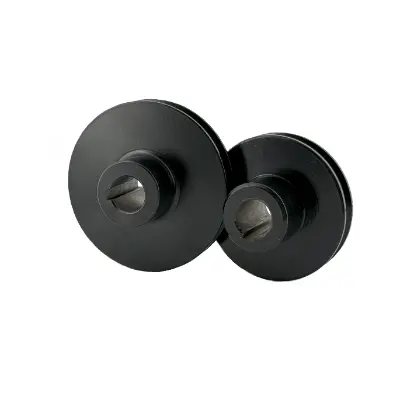
Material Comparison at a Glance
| Property | Cast Iron Motor Pulley | Zinc Motor Pulley | Plastic Motor Pulley |
|---|---|---|---|
| Tensile Strength | Excellent (30k+ psi) | Moderate (12-18k psi) | Low (2-8k psi) |
| Impact Resistance | High (brittle) | Medium | Low (deforms) |
| Corrosion Resistance | Poor (rusts) | Good | Excellent |
| Cost | High | Medium | Low |
| Best Use Case | High torque, abrasive | Medium duty, indoor | Light duty, chemical exposure |
Why Cast Iron Dominates Heavy-Duty Roles
For extreme torque, high-frequency starts, or abrasive dust (e.g., mining, aggregate conveyors), a Cast Iron Motor Pulley remains the gold standard. Its damping capacity reduces vibration, and its thermal stability prevents warping under sustained loads. Difon engineers recommend cast iron when shaft diameters exceed 1.5 inches or belt tensions surpass 200 lbs.
When Zinc or Plastic Wins
Zinc pulleys offer rust resistance in humid but non-corrosive environments. High-grade plastic Motor Pulley designs (with fiber reinforcement) excel where chemical washdowns occur, such as food processing. However, neither survives shock loads or continuous heavy use.
Buffer Board FAQ Section
Q1: What is a Buffer Board, and how does it relate to motor pulley selection?
A: A Buffer Board is a protective circuit module that absorbs voltage spikes and inrush currents in motor drive systems. When using a Cast Iron Motor Pulley on a high-inertia load, the sudden torque changes generate electrical feedback. A Buffer Board installed between the VFD and motor prevents transient surges from damaging the drive’s IGBTs, extending system life by up to 40%.
Q2: Can a Buffer Board compensate for using a plastic motor pulley in heavy-duty conditions?
A: No. A Buffer Board protects electronics, not mechanics. While it smooths electrical spikes caused by load variations, a plastic Motor Pulley will still fail mechanically under heavy-duty torque – the keyway will strip or the hub will crack. The Buffer Board cannot reinforce material strength. For heavy loads, you must start with a Cast Iron Motor Pulley regardless of electrical protections.
Q3: How do I know if my Buffer Board is malfunctioning due to a misaligned motor pulley?
A: A misaligned Motor Pulley creates cyclic torque ripple, which forces the Buffer Board to constantly filter irregular power surges. Symptoms include: frequent overvoltage faults, a clicking relay sound from the Buffer Board, or premature electrolytic capacitor swelling. Measure pulley alignment within 0.010 inches; if misalignment exceeds this, replace the pulley with a Difon Cast Iron Motor Pulley and reset the Buffer Board’s trip counters.
Final Verdict
For true heavy-duty use (continuous operation, >5 HP, abrasive or high-shock environments), the Cast Iron Motor Pulley is not just better – it is essential. Zinc and plastic variants save cost only at the expense of downtime.
Contact us at Difon today for a custom motor pulley recommendation and get free technical drawings for your heavy-duty application.