How to Troubleshoot Common Coil Heater Problems
2026-01-09
A Coil Heater is a reliable workhorse in countless industrial and commercial settings. However, like any essential equipment, it can occasionally encounter issues that disrupt your operations. Knowing how to systematically identify and address these problems is key to minimizing downtime. As a leader in thermal solutions with decades of experience, Xinhongda is here to guide you through troubleshooting the most frequent Coil Heater malfunctions, ensuring your systems run efficiently and safely.
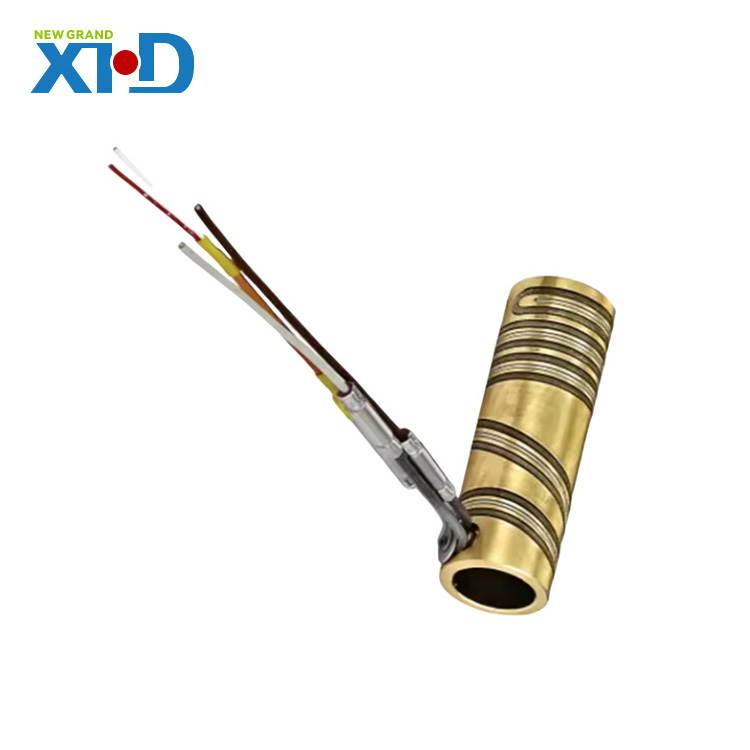
The first step in any troubleshooting process is a thorough visual inspection and basic check. Always ensure the power is disconnected before proceeding for safety.
-
Check Power Supply: Verify that the unit is receiving the correct voltage. Use a multimeter to confirm at the terminal block.
-
Inspect for Physical Damage: Look for any signs of cracked insulation, discolored or burnt terminal connections, or physical deformation of the coil sheath.
-
Examine Connections: Ensure all electrical connections are tight and free from corrosion.
If the visual checks are clear, the issue may be internal. Here is a common problem matrix to help diagnose further:
| Symptom | Possible Cause | Recommended Action |
|---|---|---|
| No Heat Output | Open heating element, faulty thermostat, or blown fuse. | Test element continuity with a multimeter. Replace if open. Check and replace thermostat or fuse as needed. |
| Insufficient Heat | Incorrect voltage, scaling/coating on the coil, or a failing element. | Verify input voltage. Clean the coil surface of any insulating material. Test element resistance against manufacturer specs. |
| Frequent Cycling | Incorrectly sized heater, faulty temperature sensor, or environmental factors. | Confirm the Coil Heater wattage is adequate for the application. Calibrate or replace the sensor. Check for drafts or changed process conditions. |
| Tripped Circuit Breaker | Short circuit to ground, moisture ingress, or an overloaded circuit. | Perform a megohm test to check for ground faults. Ensure the heater and junction box are dry and sealed. |
Coil Heaters FAQ Common Problems
Why is my coil heater not reaching the set temperature?
This is often due to a mismatch between the heater's capacity and the application's heat loss. Ensure the Coil Heater wattage is sufficient for the mass and flow rate being heated. Additionally, check for excessive scale buildup on the coil, which acts as an insulator, and clean it following Xinhongda's recommended procedures.
What causes a coil heater to fail prematurely?
Premature failure is frequently caused by dry-firing (operating without adequate fluid flow or immersion), which leads to localized overheating. Voltage supply that is inconsistent with the design specification, or a corrosive operating environment that degrades the sheath material, are other common culprits. Selecting the correct Xinhongda heater material for your medium is crucial.
How can I tell if the heating element inside has burned out?
Disconnect power and isolate the heater. Use a multimeter to measure the resistance across the heater's terminals. A reading of infinity (OL) indicates an open circuit and a burned-out element. Compare the measured resistance to the calculated value (using R = V²/P) to confirm; a significant deviation suggests a partial failure.
By following this structured approach, you can resolve many common Coil Heater issues quickly. However, for complex problems, custom designs, or to ensure you have the most robust and application-specific heater from the start, professional consultation is invaluable. For expert analysis, genuine replacement parts, or to discuss your project needs with our engineering team, do not hesitate to contact us at Xinhongda. Let our expertise be your advantage.