How to Select and Use Tie Down Hardware for Safer Cargo Control?
2026-06-30
Abstract
Tie down hardware plays a critical role in cargo security, transportation safety, and load stability across logistics, construction, automotive, and industrial applications. This article provides a comprehensive overview of tie down hardware, including its types, selection criteria, installation practices, and safety considerations. It also addresses common user challenges such as load slippage, equipment mismatch, and premature wear. By understanding proper usage and material characteristics, businesses and operators can significantly reduce transport risks and improve operational efficiency. The solutions and insights shared here are aligned with real-world applications supported by manufacturing expertise from Ningbo Force Auto Parts Co., Ltd.
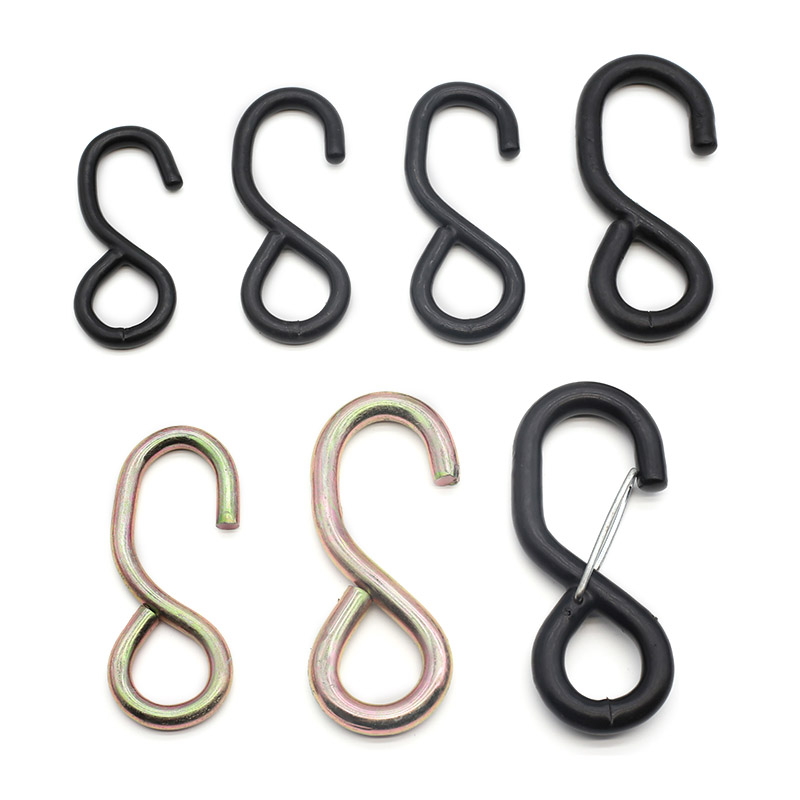
Table of Contents
- 1. Introduction to Tie Down Hardware
- 2. What Is Tie Down Hardware?
- 3. Main Types of Tie Down Hardware
- 4. How to Choose the Right Hardware
- 5. Proper Application Methods
- 6. Common Usage Mistakes
- 7. Industrial Applications
- 8. Safety and Load Compliance
- 9. Maintenance and Inspection
- 10. FAQ
1. Introduction to Tie Down Hardware
Transporting goods safely is a fundamental requirement in global logistics. Whether moving machinery, construction materials, or consumer goods, improper load securing can lead to damage, legal liabilities, and severe safety risks. Tie down hardware is the backbone of load restraint systems, ensuring cargo remains stable under acceleration, braking, vibration, and external forces.
Despite its importance, many users underestimate the engineering behind tie down systems. Choosing the wrong hardware or applying it incorrectly can compromise the entire transport chain. This guide provides structured knowledge to help users make informed decisions.
2. What Is Tie Down Hardware?
Tie down hardware refers to mechanical components used to secure cargo to transport vehicles, storage systems, or structural anchors. These components work together with straps, chains, or ropes to prevent movement during transit.
Typical functions include:
- Anchoring cargo to fixed points
- Distributing load tension evenly
- Preventing lateral or vertical movement
- Improving safety during dynamic transport conditions
High-quality systems are often engineered with corrosion-resistant materials, high tensile strength, and standardized load ratings.
3. Main Types of Tie Down Hardware
Tie down hardware includes a variety of components, each designed for specific load conditions and operational environments.
- Ratchet Buckles – Provide adjustable tension control for straps.
- Cam Buckles – Lightweight and suitable for low to medium loads.
- D-Rings and O-Rings – Serve as anchor points for secure fastening.
- Hooks (S-hooks, J-hooks) – Used for quick attachment and detachment.
- Load Binders – Common in chain-based securing systems for heavy-duty cargo.
- Anchor Plates – Fixed mounting points on vehicles or structures.
Each component contributes differently to system performance, and compatibility between parts is essential.
4. How to Choose the Right Hardware
Selecting appropriate tie down hardware requires evaluating multiple technical and environmental factors. Incorrect selection often leads to system failure or reduced service life.
| Factor | Description | Why It Matters |
|---|---|---|
| Load Capacity | Maximum force the hardware can withstand | Prevents structural failure under heavy loads |
| Material Type | Steel, stainless steel, alloy, or galvanized coatings | Determines durability and corrosion resistance |
| Environmental Exposure | Moisture, salt, heat, or chemicals | Affects lifespan and safety performance |
| Compatibility | Fit with straps, chains, and anchors | Ensures secure system integration |
| Certification Standards | Industry load safety compliance ratings | Guarantees regulatory acceptance and safety |
Manufacturers such as Ningbo Force Auto Parts Co., Ltd. design tie down hardware with standardized load ratings and strict quality control to meet international transport requirements.
5. Proper Application Methods
Correct installation is as important as product selection. Even high-quality hardware can fail if improperly applied.
- Inspect all components before use for cracks or deformation
- Ensure anchor points are structurally sound
- Distribute load tension evenly across multiple tie downs
- Avoid twisting straps or chains during tightening
- Recheck tension after initial movement of cargo
Operators should always follow a systematic tightening sequence to prevent uneven force distribution.
6. Common Usage Mistakes
Many failures in cargo securing systems are not due to product defects but incorrect usage. Common mistakes include:
- Using undersized hardware for heavy loads
- Mixing incompatible components from different systems
- Ignoring corrosion or wear on reused equipment
- Over-tightening, leading to material stress fractures
- Improper storage causing deformation
Avoiding these errors significantly improves operational safety and reduces replacement costs.
7. Industrial Applications
Tie down hardware is widely used across industries where cargo stability is critical.
- Logistics and Freight: Securing pallets, containers, and shipping loads
- Construction: Transporting steel beams, machinery, and tools
- Automotive: Vehicle transport and component fixation
- Agriculture: Securing farm equipment and harvest loads
- Marine Transport: Preventing cargo shift under wave motion
Each industry demands specific configurations depending on load type and environmental stress.
8. Safety and Load Compliance
Safety regulations governing tie down systems exist to minimize transport accidents. Compliance typically includes:
- Adherence to working load limit (WLL) specifications
- Regular inspection and certification cycles
- Proper labeling and traceability of components
- Training for operators handling securing systems
Failure to comply with load safety standards can result in cargo loss, legal penalties, and workplace hazards.
9. Maintenance and Inspection
Routine maintenance extends the service life of tie down hardware and ensures consistent performance.
- Clean after exposure to dirt, salt, or chemicals
- Lubricate moving parts in ratchet systems
- Replace components showing deformation or rust
- Store in dry, temperature-controlled environments
Preventive maintenance is significantly more cost-effective than emergency replacement after failure.
10. FAQ
Q1: What is the most important factor when choosing tie down hardware?
Load capacity and material strength are the most critical factors, followed by environmental suitability.
Q2: Can tie down hardware be reused?
Yes, but only if it passes inspection for wear, deformation, and corrosion.
Q3: What causes tie down failure most often?
Improper installation and overloading are the most common causes.
Q4: Is stainless steel always better?
Not always. It depends on application needs. Stainless steel is ideal for corrosion resistance, while alloy steel may offer higher strength in some cases.
Q5: How often should inspection be performed?
Before every use in high-risk transport scenarios, and periodically in routine operations.
Conclusion
Tie down hardware is a foundational element in secure cargo transportation systems. Understanding its types, selection principles, and correct usage significantly reduces operational risks and improves efficiency across industries. With increasing global logistics demands, reliable securing solutions are more important than ever.
Ningbo Force Auto Parts Co., Ltd. provides professionally engineered tie down hardware solutions designed for durability, safety, and consistent performance under demanding conditions. For customized solutions, bulk supply, or technical consultation, please contact us to explore how we can support your cargo securing needs with dependable hardware systems.