How to Select and Optimize Marine Couplings for Maritime Machinery?
2025-12-24
Article Summary
This comprehensive guide covers the critical aspects of marine couplings, including technical specifications, installation practices, maintenance protocols, troubleshooting strategies, and selection guidelines for maritime machinery. The article addresses common challenges and questions faced by engineers, maintenance teams, and marine equipment managers, providing a practical and professional reference for optimizing coupling performance.
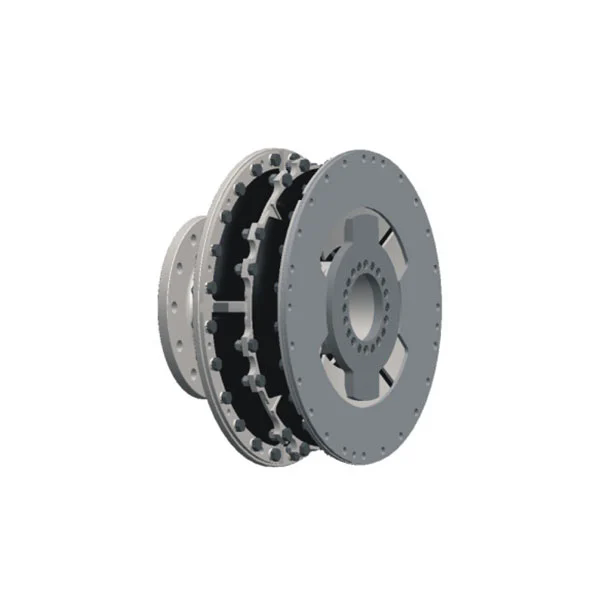
Table of Contents
1. Introduction to Marine Couplings
Marine couplings are critical components in maritime machinery, responsible for transmitting torque between shafts while accommodating misalignment and reducing vibration. They ensure reliable performance in engines, pumps, propeller shafts, and other essential equipment on ships, offshore platforms, and marine installations.
The primary objective of this guide is to provide a deep understanding of marine couplings, enabling professionals to select, maintain, and troubleshoot these components effectively. The focus is on their mechanical characteristics, operational parameters, and practical considerations for maritime applications.
2. Technical Specifications of Marine Couplings
Marine couplings vary in type, material, and design. They must meet stringent standards to ensure safety, reliability, and durability in harsh marine environments. Below is a detailed summary of typical technical parameters:
| Parameter | Specification |
|---|---|
| Coupling Type | Flexible, Gear, Grid, Disc |
| Torque Rating | 1000 Nm – 50,000 Nm |
| Shaft Diameter | 25 mm – 500 mm |
| Material | High-strength steel, stainless steel, alloy steel |
| Temperature Range | -40°C to 250°C |
| Misalignment Tolerance | Angular ±2°, Axial ±3 mm, Parallel ±2 mm |
| Operating Speed | Up to 5000 RPM |
| Lubrication | Grease or Oil, depending on type |
Proper specification selection ensures that marine couplings maintain torque transmission, reduce mechanical wear, and minimize downtime, making them indispensable in maritime operations.
3. Applications and Maintenance Strategies
3.1 Applications of Marine Couplings
Marine couplings are used in a variety of applications, including:
- Connecting propulsion engines to propeller shafts
- Linking pumps, compressors, and generators
- Coupling crane and winch systems on ships and offshore platforms
- Facilitating power transmission in hybrid marine drives
3.2 Maintenance Best Practices
Regular maintenance ensures longevity and reliability. Recommended practices include:
- Routine inspection for wear, cracks, or corrosion
- Proper lubrication according to manufacturer specifications
- Checking alignment and torque settings at scheduled intervals
- Replacing damaged or fatigued coupling components promptly
- Documenting service history for predictive maintenance
3.3 Installation Considerations
Correct installation is critical for marine coupling performance. Key steps include:
- Verifying shaft alignment using laser alignment tools
- Ensuring proper clearance for thermal expansion
- Securing coupling bolts with torque specifications
- Testing the assembly under no-load conditions before full operation
4. FAQs and Troubleshooting
5. Conclusion and Contact Information
Marine couplings play an essential role in ensuring efficient power transmission in maritime machinery. Correct selection, installation, and maintenance directly influence operational reliability and equipment longevity. By adhering to technical specifications, monitoring performance, and addressing common issues proactively, marine operators can optimize the performance of their machinery.
Cagon provides a wide range of high-quality marine couplings designed to meet rigorous industry standards. For customized solutions, technical consultation, or procurement inquiries, please contact us to explore our full range of products and services.