Article Summary
This comprehensive guide delves into Industrial Steel Filter Housings, offering insights on their specifications, applications, maintenance, and selection criteria. The article provides detailed answers to frequently asked questions, helping industries optimize their filtration systems and ensure reliable performance.
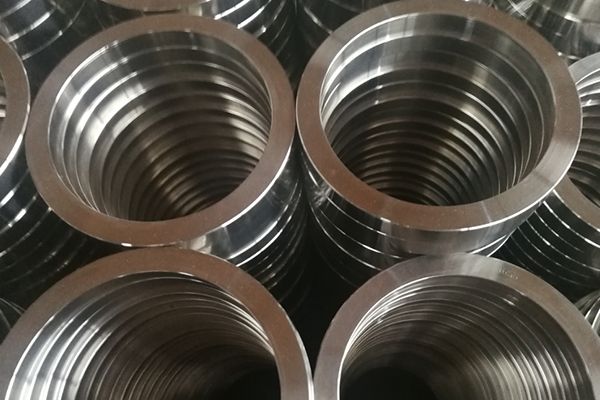
1. Introduction to Industrial Steel Filter Housings
Industrial Steel Filter Housings are critical components in a wide range of industrial filtration systems, ensuring the removal of particulate matter, impurities, and contaminants from liquids and gases. These housings are designed for high durability, resistance to corrosion, and compatibility with various filtration media. Proper selection and maintenance of these housings can significantly enhance system efficiency and longevity.
The primary purpose of this article is to provide a detailed exploration of Industrial Steel Filter Housings, including specifications, common usage scenarios, maintenance practices, and expert answers to frequently asked questions. By understanding the core principles of steel filter housing design and application, industries can optimize filtration processes and minimize operational risks.
2. Key Specifications and Parameters
The performance of Industrial Steel Filter Housings depends heavily on their design, material quality, and operational limits. Below is a detailed table summarizing the standard specifications:
|
Parameter
|
Description
|
Typical Range
|
|
Material
|
Stainless Steel 304 / 316 / Carbon Steel
|
304, 316L, Carbon Steel
|
|
Pressure Rating
|
Maximum operating pressure the housing can withstand
|
10 bar – 40 bar
|
|
Temperature Rating
|
Maximum operating temperature
|
-20°C to 180°C
|
|
Filtration Type
|
Compatible filter elements
|
Bag, Cartridge, Mesh, or Membrane
|
|
Connections
|
Inlet/outlet pipe dimensions and type
|
ANSI, DIN Flanges, Threaded NPT
|
|
Sealing
|
Gasket or O-ring material for leak-proof performance
|
EPDM, Viton, PTFE
|
|
Capacity
|
Volume of liquid or gas processed
|
10 L – 5000 L
|
Understanding these specifications is essential when choosing the appropriate housing for a specific industrial application, whether it involves chemicals, water treatment, food and beverage, or oil and gas filtration.
3. Common Questions About Industrial Steel Filter Housings
How to choose the right material for Industrial Steel Filter Housings?
The choice of material depends on the type of fluid, chemical compatibility, temperature, and pressure requirements. Stainless steel 316L is preferred for highly corrosive environments, while carbon steel is suitable for non-corrosive liquids under moderate conditions.
How often should Industrial Steel Filter Housings be inspected or replaced?
Inspection frequency depends on the operating conditions and media. Typically, housings should be inspected every 3 to 6 months for leaks, corrosion, or deformation. Replacement is recommended if there are signs of wear that could compromise sealing or structural integrity.
How to ensure proper sealing of Industrial Steel Filter Housings?
Proper sealing requires selecting the correct gasket material, correctly tightening bolts to manufacturer-specified torque, and ensuring the filter element is properly seated. Misalignment or incorrect gasket choice can lead to leakage and system inefficiency.
How to determine the correct pressure rating?
The maximum operating pressure of the filter housing must exceed the system’s operating pressure by at least 20-30% to ensure safety. Over-pressurization can lead to structural failure and safety hazards.
How to clean and maintain the housings effectively?
Regular cleaning should involve flushing with compatible solvents, inspecting seals, and ensuring no residual debris remains. Avoid abrasive cleaning that could damage the internal surfaces and compromise corrosion resistance.
4. How to Maintain and Select the Right Filter Housing
Maintenance and selection of Industrial Steel Filter Housings involve several critical steps:
Step 1: Identify Application Requirements
Determine fluid type, temperature, pressure, and flow rate. Ensure the housing material and design meet these criteria to maintain operational efficiency and safety.
Step 2: Verify Filter Media Compatibility
Choose compatible filter elements based on particle size, filtration efficiency, and chemical resistance. Mismatched media can lead to frequent replacements and system downtime.
Step 3: Regular Inspection and Preventive Maintenance
Establish a maintenance schedule including inspection of gaskets, seals, and housing integrity. Clean housings periodically and monitor for signs of wear or corrosion.
Step 4: Consider Long-Term Reliability and Brand Support
Select reputable manufacturers who provide detailed technical support, replacement parts, and clear maintenance instructions. A trusted brand ensures consistent quality and reduces operational risks.
5. Conclusion and Contact Information
Industrial Steel Filter Housings are essential for efficient filtration in diverse industrial applications. Choosing the correct housing, performing regular maintenance, and understanding operational parameters can dramatically enhance system performance and reliability. Ningbo Dyfab Industry Co., Ltd offers a wide range of high-quality industrial steel filter housings designed for durability, corrosion resistance, and long-term performance. For more information or to discuss your specific filtration requirements, please contact us today.