How to Optimize Bitumen Transportation Tank Usage for Maximum Efficiency?
2026-01-06
Abstract: This article provides an in-depth analysis of Bitumen Transportation Tanks, highlighting their technical specifications, operational guidelines, and common issues in transportation. It explores strategies to maximize efficiency, ensure safety, and reduce operational costs. The content also includes frequently asked questions, practical solutions, and introduces CXTCM as a trusted supplier of high-quality tanks.
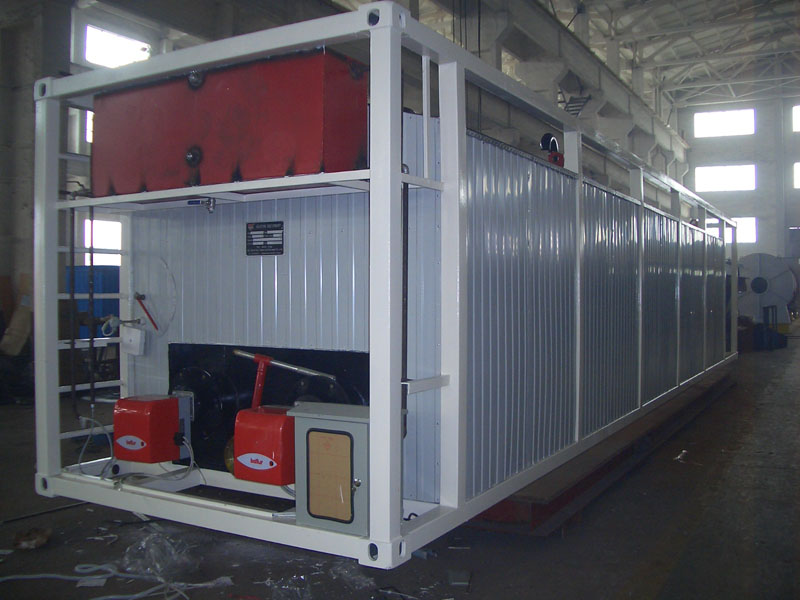
Table of Contents
Introduction to Bitumen Transportation Tank
Bitumen Transportation Tanks are specialized containers designed for the safe and efficient transport of bitumen or asphalt at elevated temperatures. These tanks are essential in construction, road paving, and industrial applications where precise temperature control and leak prevention are critical. Proper selection, operation, and maintenance of these tanks significantly influence operational efficiency and safety outcomes.
The core purpose of this article is to provide a detailed guide on Bitumen Transportation Tanks, covering their technical specifications, operational considerations, and common challenges. Readers will gain practical insights into how to select, operate, and maintain these tanks while maximizing safety and efficiency.
Key Specifications and Features
Bitumen Transportation Tanks vary in capacity, heating mechanisms, and mobility features. The following table summarizes typical parameters for professional-grade tanks:
| Parameter | Specification |
|---|---|
| Tank Capacity | 10,000 – 40,000 Liters |
| Material | High-strength carbon steel, corrosion-resistant coating |
| Heating System | Diesel-fired, electrical, or thermal oil circulation |
| Insulation | High-temperature thermal insulation for heat retention |
| Temperature Range | Up to 200°C (392°F) |
| Mobility | Mounted on trailers or truck chassis for road transport |
| Safety Features | Pressure relief valves, emergency shut-off, leak detection |
Common Questions about Bitumen Transportation Tank
Q1: How is the temperature of bitumen maintained during transportation?
A1: The temperature is maintained through built-in heating systems, typically diesel-fired burners or thermal oil circulation. Insulated walls reduce heat loss, and advanced temperature controllers allow precise monitoring to ensure bitumen remains in a pumpable state throughout transit.
Q2: How can leaks or spills be prevented during transportation?
A2: Leaks can be prevented by regular inspection of tank welds, pressure relief systems, and valves. Using corrosion-resistant coatings and maintaining proper tank pressure further reduce risk. Operators must follow strict safety protocols during loading, transit, and unloading.
Q3: How is the tank cleaned and maintained after use?
A3: Cleaning involves heating residual bitumen to fluid form and using mechanical scrapers or high-pressure hot water systems. Preventive maintenance includes checking insulation integrity, heating systems, and safety valves, ensuring long-term reliability and compliance with transport regulations.
Optimizing Usage and Maintenance
1. Transport Safety and Efficiency
Optimizing transport begins with understanding load limitations and environmental conditions. Proper insulation and heating management reduce fuel consumption and prevent bitumen solidification. Vehicle routing and speed management further minimize transit risks and improve delivery timeliness.
2. Operational Monitoring
Advanced tanks integrate digital monitoring systems for real-time temperature, pressure, and leak alerts. Regular calibration of sensors and preventive inspection of mechanical parts ensure consistent performance and reduce downtime.
3. Maintenance Schedule
Establishing a structured maintenance schedule prolongs tank life. Key practices include periodic inspection of welds, valve testing, and checking insulation. Replacing worn-out heating components prevents temperature fluctuations that can compromise bitumen quality.
4. Regulatory Compliance
Operators must comply with local transportation and safety regulations, including hazardous materials guidelines, pressure vessel codes, and driver certifications. Proper documentation and adherence to standard operating procedures mitigate legal risks and enhance workplace safety.
Conclusion and Brand Reference
Bitumen Transportation Tanks play a critical role in construction and industrial applications, enabling the safe and efficient transport of asphalt. By understanding technical specifications, adopting preventive maintenance, and implementing operational best practices, efficiency and safety are significantly enhanced.
CXTCM provides a range of high-quality Bitumen Transportation Tanks designed for durability, safety, and optimal thermal performance. For inquiries or to learn more about our products, contact us today.