How to Maximize Truck Engine Performance?
2026-01-14
Summary: Truck engines are the heart of heavy-duty vehicles, influencing fuel efficiency, durability, and operational reliability. This article explores practical strategies to maintain and enhance engine performance, key maintenance considerations, common issues and solutions, and tips to extend service life, all backed by Shengkunda expertise.
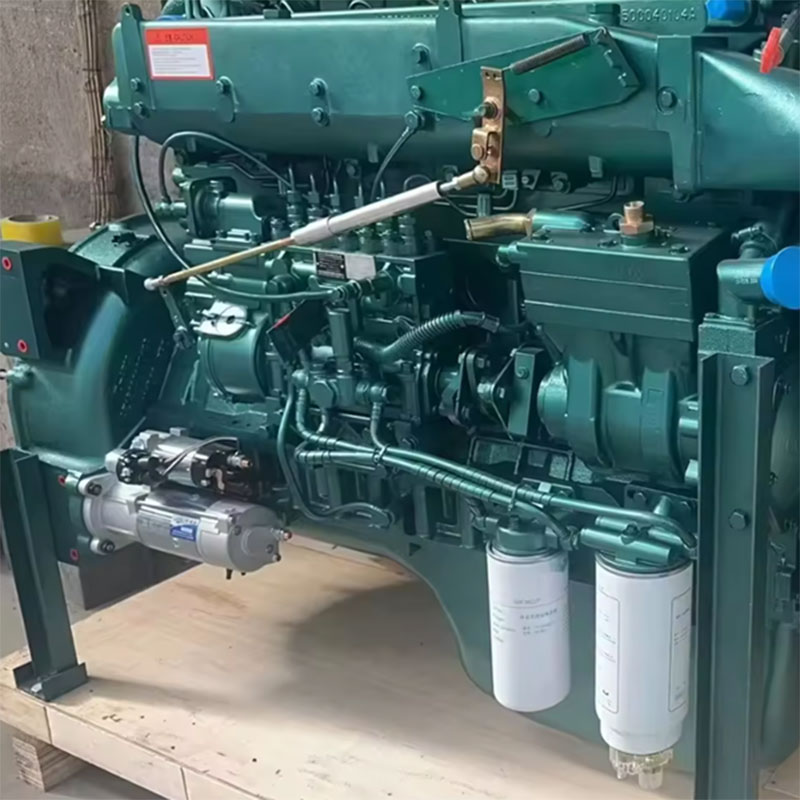
Table of Contents
- Understanding Truck Engine Components
- Essential Truck Engine Maintenance
- Optimizing Engine Performance
- Common Engine Problems and Solutions
- Frequently Asked Questions
- Conclusion & Contact
Understanding Truck Engine Components
Truck engines consist of several critical components that work together to deliver power and efficiency. Understanding these parts helps in proper maintenance and troubleshooting.
| Component | Function | Maintenance Tip |
|---|---|---|
| Engine Block | Houses cylinders and supports major components | Inspect for cracks, corrosion, and leaks regularly |
| Pistons | Convert fuel combustion into mechanical motion | Check for wear and replace rings periodically |
| Fuel Injection System | Delivers fuel to the combustion chamber | Use clean fuel and replace injectors if clogging occurs |
| Cooling System | Regulates engine temperature | Flush coolant and inspect hoses and radiator |
| Lubrication System | Reduces friction and wear | Regular oil changes and filter replacement |
Essential Truck Engine Maintenance
Proper maintenance ensures truck engines operate efficiently and last longer. Key practices include:
- Regular Oil Changes: Follow the manufacturer’s schedule to prevent engine wear.
- Air Filter Replacement: Keep air intake clean to improve fuel efficiency.
- Fuel System Cleaning: Prevent carbon deposits and maintain smooth combustion.
- Cooling System Checks: Avoid overheating by monitoring coolant levels and radiator condition.
- Routine Inspections: Examine belts, hoses, and electrical components for early signs of damage.
Optimizing Engine Performance
Enhancing truck engine performance goes beyond basic maintenance. Consider these strategies:
- Use High-Quality Fuel: Reduces buildup in combustion chambers and prolongs injector life.
- Monitor Engine Diagnostics: Use onboard systems to detect early signs of inefficiency.
- Turbocharger Maintenance: Inspect and clean to maintain optimal air compression.
- Proper Load Management: Avoid overloading, which can strain the engine and reduce longevity.
- Scheduled Engine Tune-Ups: Optimize timing, fuel injection, and exhaust systems.
Common Engine Problems and Solutions
Truck engines can experience issues that affect performance and reliability. Common problems include:
| Problem | Cause | Solution |
|---|---|---|
| Engine Overheating | Low coolant, blocked radiator, or failed water pump | Refill coolant, clean radiator, inspect and replace water pump if necessary |
| Excessive Smoke | Worn piston rings, clogged air filter, or fuel system issues | Inspect and replace worn parts, maintain clean filters, and check fuel quality |
| Reduced Power | Faulty injectors, turbo issues, or air intake leaks | Clean or replace injectors, service turbocharger, repair leaks |
| Unusual Noises | Loose components or insufficient lubrication | Tighten bolts, check oil level, and replace worn bearings |
| Fuel Efficiency Drop | Poor combustion, dirty filters, or engine misalignment | Clean filters, tune engine, ensure proper alignment and calibration |
Frequently Asked Questions
Q1: How often should truck engine oil be changed?
Truck engine oil should typically be changed every 10,000 to 15,000 miles, depending on the engine model and driving conditions. Using high-quality oil can extend the interval slightly.
Q2: How can I prevent engine overheating?
Regularly check coolant levels, flush the cooling system periodically, and inspect hoses and radiator for blockages or leaks. Avoid heavy loads in hot weather without proper cooling management.
Q3: How can fuel efficiency be improved in a truck engine?
Maintain a clean fuel system, replace air filters regularly, monitor engine diagnostics, and ensure proper load distribution. High-quality fuel and timely engine tune-ups also improve efficiency.
Conclusion & Contact
Maximizing truck engine performance requires a combination of proper maintenance, timely inspections, and strategic optimizations. Shengkunda provides high-quality truck engines and parts designed for durability, efficiency, and reliability. For more information or personalized support, contact us today to ensure your truck engine operates at peak performance.