How to Identify and Troubleshoot Common Failure Modes in Self-Aligning Ball Bearings
2025-12-30
Proper maintenance of Self-Aligning Ball Bearings is critical for ensuring the longevity and reliability of rotating machinery. As a leader in precision components, BMT understands that early identification of bearing issues can prevent costly downtime and equipment damage. This guide outlines a professional approach to diagnosing and resolving the most common failure modes in these versatile bearings.
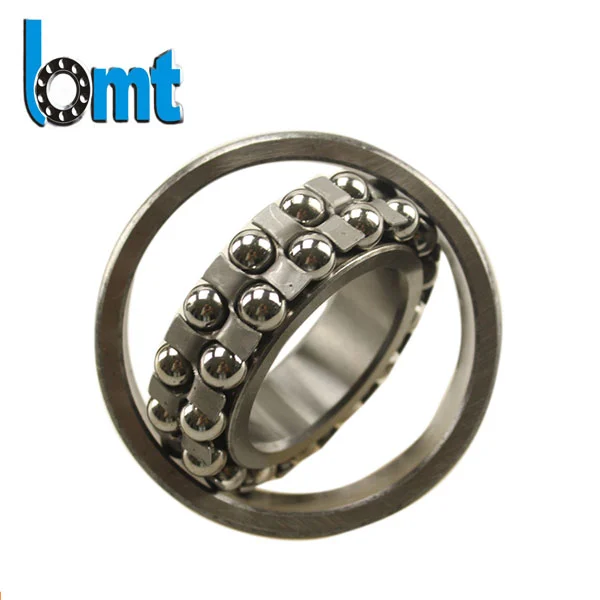
The first step in troubleshooting is accurate identification. Here are the primary failure modes, their causes, and corrective actions:
Common Failure Modes & Symptoms:
-
Fatigue Spalling: Flaking on raceways or balls, indicated by increased vibration and noise.
-
Wear: Excessive clearance, loss of preload, often due to contamination or inadequate lubrication.
-
Lubrication Failure: Discoloration (bluing), scoring, and overheating.
-
Contamination: Dents or embedded particles on rolling surfaces, leading to vibration and noise.
-
Misalignment: While Self-Aligning Ball Bearings compensate for minor misalignment, excessive cases cause irregular wear patterns and premature fatigue.
Troubleshooting & Prevention Table
| Failure Mode | Root Cause | Corrective Action | Prevention Tip (BMT Recommendation) |
|---|---|---|---|
| Fatigue Spalling | Normal stress cycle or heavy loads. | Replace bearing. Review load calculations. | Select a bearing with a higher dynamic load rating from BMT's catalog. |
| Abrasive Wear | Contaminated lubricant or ingress of debris. | Clean housing, replace bearing and seals, use fresh lubricant. | Use high-quality, application-specific seals and ensure proper installation. |
| Lubrication Failure | Incorrect lubricant type, quantity, or interval. | Re-lubricate correctly or switch lubricant type. | Implement a scheduled maintenance program with BMT-approved lubricants. |
| False Brinelling | Vibration while stationary (transport/standby). | Secure shafts during non-operation. | Use shaft locking devices or apply a rust preventive. |
Self-Aligning Ball Bearings FAQ
Q: Can Self-Aligning Ball Bearings handle axial loads?
A: Yes, they can accommodate moderate axial loads in addition to their primary radial load capacity. However, the axial load capacity is typically lower than that of pure thrust bearings. For combined load scenarios, consulting BMT's engineering team ensures the optimal bearing selection for your specific axial and radial load ratios.
Q: How often should Self-Aligning Ball Bearings be re-lubricated?
A: There is no universal interval; it depends on operating speed, temperature, and environment. A high-speed application in a clean environment may require frequent re-lubrication, while a slow-moving bearing in a sealed unit may be lubricated for life. BMT provides detailed lubrication guidelines with each bearing specification to help establish the correct schedule.
Q: What is the main advantage of using a Self-Aligning Ball Bearing over a standard ball bearing?
A: The key advantage is their ability to tolerate shaft misalignment and deflection, which is common in long shafts, under heavy loads, or due to housing inaccuracies. This inherent self-alignment protects against the edge loading and premature failure that would occur in a non-aligning bearing under the same conditions, ensuring smoother operation and longer service life.
Proactive monitoring through vibration analysis, temperature checks, and regular visual inspections is the most effective strategy. By understanding these failure modes and implementing corrective measures, you can maximize the performance and durability of your Self-Aligning Ball Bearings.
Contact Us
Is your operation experiencing persistent bearing failures or unexpected downtime? BMT's expert engineers are ready to help you diagnose issues and recommend the most reliable Self-Aligning Ball Bearings and maintenance strategies for your application. Contact us today for a personalized technical consultation.