How to Identify and Repair Common Post Tension Anchorage Problems
2025-12-18
In the world of modern concrete construction, the integrity of a Post Tension Anchorage system is paramount. These critical components ensure the longevity and safety of structures like bridges, parking garages, and high-rise buildings. When problems arise, timely identification and proper repair are essential. This guide, powered by the engineering excellence of Supreme Machinery, will walk you through the key steps.
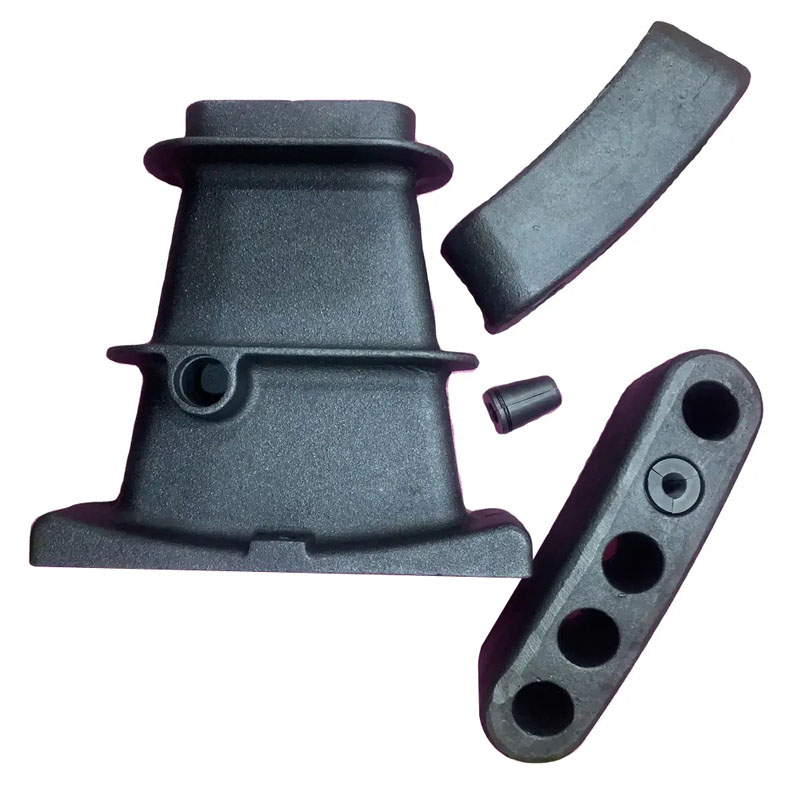
The most common Post Tension Anchorage issues stem from corrosion, poor grouting, physical damage, or improper installation. Early signs include:
-
Visible Corrosion: Rust stains around the anchor head or on exposed strands.
-
Cracking or Spalling: Concrete breakdown directly behind the anchorage.
-
Vibration or Slippage: Unusual movement or sound from the tendon.
-
Loss of Prestress: Excessive deflection or cracking in the structural member.
For effective repairs, using high-quality, compatible materials is non-negotiable. Supreme Machinery provides a comprehensive repair system, the Supreme Anchorage Repair Kit (ARK-2000), engineered for durability and performance.
Key Product Parameters of the Supreme ARK-2000 Kit:
| Component | Specification | Purpose |
|---|---|---|
| Corrosion Inhibitor Gel | High-density, phosphate-based | Neutralizes rust and provides long-term protection |
| Epoxy Repair Mortar | Compressive Strength > 10,000 psi | Restores structural concrete around the anchorage |
| Replacement Wedges | Alloy Steel, Grade 150 | Ensures positive lock and load transfer |
| Protective Cap & Grease | UV-resistant HDPE & Lithium-based | Creates a permanent, sealed environment |
Standard Repair Procedure:
-
Expose and Clean: Carefully remove deteriorated concrete and thoroughly clean all corrosion from the anchor head and wedges using approved tools.
-
Apply Inhibitor: Coat all metallic surfaces with Supreme Machinery's Corrosion Inhibitor Gel.
-
Rebuild Profile: Pack the Epoxy Repair Mortar to reform the original concrete geometry.
-
Re-seal & Protect: Install a new protective cap filled with specialty grease to create a permanent barrier.
Post Tension Anchorage FAQ
Q: Can a corroded post-tension anchorage be repaired, or must the entire tendon be replaced?
A: In many cases, a localized anchorage repair is sufficient if the corrosion is detected early and is confined to the anchor head. The repair involves meticulous cleaning, application of a corrosion inhibitor, and re-sealing. However, if strand corrosion extends beyond the anchorage zone, tendon replacement may be necessary. A professional structural assessment is crucial.
Q: How often should post-tension anchorages be inspected?
A: A detailed visual inspection should be conducted annually. A more comprehensive inspection, which may include non-destructive testing, is recommended every 3 to 5 years. Structures in harsh environments (coastal, de-icing salt exposure) require more frequent checks.
Q: What is the most critical factor in preventing future anchorage problems?
A: The single most critical factor is achieving a complete and void-free grout envelope during initial construction. Secondly, ensuring the anchorage is protected with a robust, sealed cap filled with corrosion-inhibiting grease is vital for long-term durability.
Addressing Post Tension Anchorage issues promptly with the correct methodology and materials prevents minor damage from escalating into major structural failures. Don't compromise on safety or quality. Supreme Machinery's engineered solutions provide the reliability your project demands.
Contact us today for a detailed consultation or to request specifications for the Supreme Machinery ARK-2000 Repair Kit. Let our expertise secure your structures for the future.