How to Choose the Right Mica Sheet for Industrial Heat Resistance?
2025-12-24
In high temperature industrial environments, mica sheets are not selected based on price alone. Engineers and procurement teams usually focus on heat resistance stability, electrical insulation performance, and long term reliability under continuous thermal stress. From power equipment to thermal processing systems, the correct selection process determines not only safety but also operational efficiency. At Ningbo Ram Electric Material Co., Ltd., our technical team works closely with equipment manufacturers to ensure that each material solution aligns with actual operating conditions observed in our factory and customer facilities.
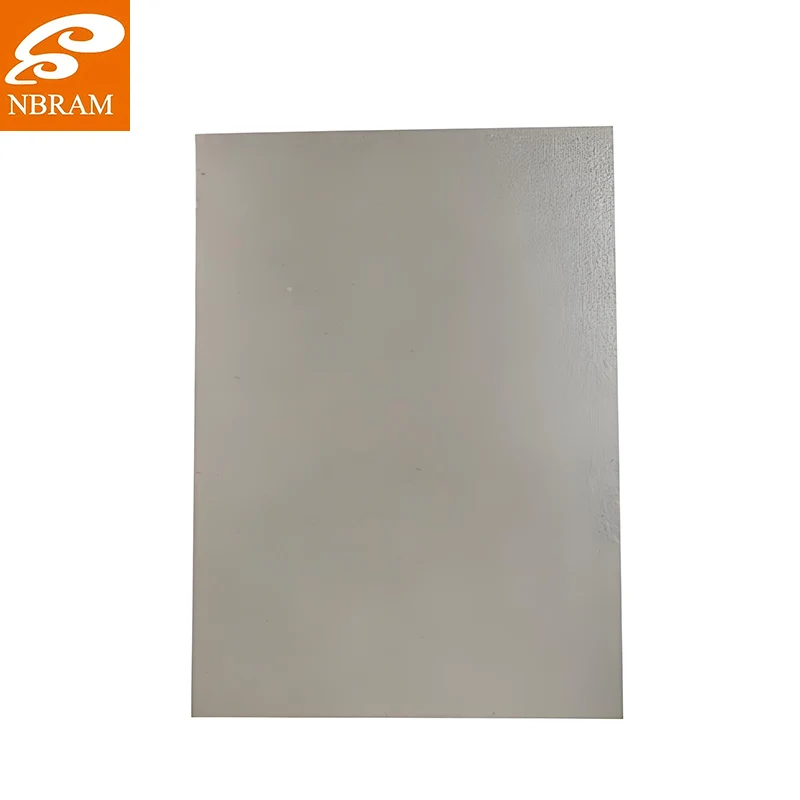
Why Does Heat Resistance Matter When Selecting Insulation Materials?
Heat resistance is the primary performance indicator for insulation materials used in industrial heating applications. When exposed to sustained high temperatures, low quality insulation may degrade, crack, or lose dielectric strength. This can lead to equipment failure or safety risks. Our experience shows that thermal endurance must be evaluated alongside mechanical stability, not as a standalone parameter.
In our factory, materials are tested under controlled thermal cycles to simulate real operating environments. These tests help us determine how Mica Sheet behaves when exposed to long term heat loads commonly found in motors, transformers, and heating elements. Ningbo Ram Electric Material Co., Ltd. emphasizes stable thermal classification because consistent heat resistance directly affects service life and maintenance frequency.
How Do Material Composition and Bonding Technology Influence Performance?
The composition of insulation materials plays a critical role in determining thermal performance. Natural mica combined with high quality bonding resins provides a balance between flexibility and strength. When selecting Mica Sheet for industrial heat resistance, engineers often review mica content, resin type, and curing process to assess durability.
Our production process focuses on uniform layering and controlled resin distribution. This ensures consistent thermal behavior across the entire sheet surface. In our factory, bonding technology is optimized to prevent delamination under thermal expansion. Ningbo Ram Electric Material Co., Ltd. applies strict quality controls to ensure material consistency from batch to batch.
What Thickness and Density Levels Are Suitable for Different Heat Applications?
Thickness and density directly influence insulation efficiency and mechanical strength. Thicker materials typically provide better heat resistance but may reduce flexibility. Engineers selecting Mica Sheet often need to balance insulation requirements with installation constraints, especially in compact equipment designs.
The table below outlines common thickness and density ranges and their typical industrial applications. This reference supports informed selection decisions based on operating temperature and mechanical demands.
| Thickness Range | Density Level | Typical Application | Operating Temperature |
| 0.2 to 0.5 mm | Medium | Small motors and heating elements | Up to 500°C |
| 0.6 to 1.0 mm | Medium to high | Industrial transformers | Up to 800°C |
| Above 1.0 mm | High | Furnace insulation systems | Above 800°C |
How Should Electrical Insulation Requirements Be Evaluated?
In many industrial systems, insulation materials must perform both thermal and electrical functions. Dielectric strength, insulation resistance, and breakdown voltage are key parameters that influence selection. Our engineers often evaluate these properties in parallel with heat resistance to ensure overall system reliability.
Mica Sheet offers stable electrical insulation even at elevated temperatures, making it suitable for high voltage equipment. In our factory testing environment, materials are subjected to combined thermal and electrical stress to verify long term performance. Ningbo Ram Electric Material Co., Ltd. prioritizes electrical safety standards that align with regional industrial regulations.
What Mechanical Properties Should Be Considered Under Heat Stress?
Thermal expansion and mechanical load can cause stress within insulation layers. Materials that lack sufficient tensile strength or flexibility may crack when exposed to repeated heating and cooling cycles. Selecting Mica Sheet with appropriate mechanical properties helps prevent structural failure in demanding applications.
Our manufacturing process emphasizes controlled fiber alignment and resin bonding to enhance mechanical stability. In our factory, materials are tested for bending strength and resistance to thermal fatigue. This approach ensures consistent performance even in environments with fluctuating temperatures.
How Do Environmental and Installation Conditions Affect Selection?
Environmental factors such as humidity, vibration, and chemical exposure also influence insulation material performance. In industrial plants, insulation may be exposed to oil vapors, dust, or mechanical vibration. These conditions must be considered during material selection to avoid premature degradation.
Our technical team frequently advises customers to evaluate installation methods and surrounding conditions before finalizing material specifications. Ningbo Ram Electric Material Co., Ltd. supports customized solutions based on equipment layout and operating environment observed in our factory evaluations.
How Can Product Parameters Guide a Reliable Selection Process?
Clear and consistent product parameters allow engineers to compare materials objectively. Key indicators include thermal classification, dielectric strength, density, and tensile strength. Reviewing these parameters helps ensure the selected Mica Sheet aligns with system requirements and safety standards.
The following table summarizes typical product parameters used for industrial heat resistance applications.
| Parameter | Standard Range | Test Condition | Performance Impact |
| Thermal Class | Class F to Class C | Continuous heat exposure | Determines maximum operating temperature |
| Dielectric Strength | 15 to 25 kV/mm | Room temperature | Ensures electrical insulation reliability |
| Tensile Strength | 80 to 120 MPa | Mechanical load test | Supports structural stability |
How to Choose the Right Mica Sheet for Industrial Heat Resistance? FAQ
Q1: How do operating temperatures influence material lifespan?
Higher operating temperatures accelerate material aging. Selecting insulation rated above the expected working temperature helps maintain stable performance and reduces replacement frequency.
Q2: Why is bonding quality important for high temperature applications?
Bonding quality determines resistance to delamination under thermal expansion. Poor bonding can lead to layer separation and insulation failure during continuous heat exposure.
Q3: Can one insulation material suit multiple industrial applications?
While some materials are versatile, optimal performance usually requires matching material specifications to specific operating conditions such as temperature, voltage, and mechanical load.
Conclusion
Choosing the right insulation material for industrial heat resistance requires careful evaluation of thermal performance, electrical properties, mechanical strength, and environmental conditions. By focusing on verified product parameters and real operating data, engineers can ensure long term system reliability. Our team at Ningbo Ram Electric Material Co., Ltd. is committed to supporting customers with practical guidance and stable material solutions developed through experience in our factory. Contact our technical specialists today to discuss your application requirements and receive professional recommendations tailored to your equipment.