How to Choose the Right Bearing for Your Application: A Practical Guide
2024-08-12
Selecting the right bearing for your application is crucial to ensure optimal performance, reliability, and longevity. With so many types of bearings available, each designed for specific purposes, making the right choice can be challenging. In this blog post, we’ll provide a practical guide on how to choose the best bearing for your needs, considering factors such as load, speed, environment, and maintenance requirements.
1. Understand the Types of Bearings
Before choosing a bearing, it’s important to understand the different types available and their applications:
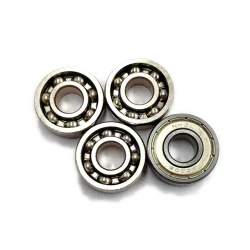
- Ball Bearings: Ideal for applications requiring low friction and high-speed rotation, ball bearings are commonly used in motors, pumps, and household appliances.
- Roller Bearings: These bearings are designed to handle heavier loads and are suitable for industrial machinery, automotive components, and heavy-duty equipment. They come in various forms, including cylindrical, tapered, and needle rollers.
- Plain Bearings (Bushings): Plain bearings are simple and cost-effective, suitable for applications with low-speed motion and heavy loads, such as in construction machinery and automotive suspension systems.
- Thrust Bearings: Designed to handle axial loads, thrust bearings are used in applications such as automotive gearboxes, rotary tables, and cranes.
- Magnetic Bearings: These advanced bearings use magnetic fields to support and stabilize rotating shafts without physical contact. They are used in high-speed applications like turbines and flywheels.
2. Consider the Load Requirements
The type and magnitude of the load your bearing will need to support is a key factor in selection:
- Radial Load: This is the load perpendicular to the shaft. Ball bearings are typically suitable for applications with primarily radial loads, while roller bearings can handle higher radial loads.
- Axial Load: This is the load parallel to the shaft. Thrust bearings and certain types of roller bearings are designed to handle axial loads effectively.
- Combined Load: Some applications involve both radial and axial loads. Tapered roller bearings are often used in these situations, as they can support loads in both directions.
3. Assess the Speed of Operation
The speed at which the bearing will operate is another critical consideration:
- High-Speed Applications: For high-speed applications, such as in electric motors or turbines, ball bearings are typically the best choice due to their low friction and ability to operate smoothly at high speeds.
- Low-Speed Applications: In applications where speed is not a critical factor, such as in heavy machinery or conveyor systems, roller bearings or plain bearings may be more suitable due to their load-bearing capabilities.
4. Evaluate the Operating Environment
The environment in which the bearing will operate can significantly impact its performance and lifespan:
- Temperature: Bearings used in high-temperature environments, such as in ovens or engines, need to be made from materials that can withstand heat without losing their structural integrity.
- Contamination: Bearings in dirty or contaminated environments, like mining or agriculture, should be sealed or shielded to prevent dirt and debris from entering and causing damage.
- Moisture: In wet or corrosive environments, such as in marine or chemical processing applications, bearings made from stainless steel or with special coatings to resist corrosion are recommended.
5. Determine the Maintenance Requirements
Maintenance considerations are important when selecting a bearing, especially in critical applications:
- Lubrication: Bearings need proper lubrication to minimize friction and wear. Some bearings come pre-lubricated and sealed for life, requiring little to no maintenance. Others may require regular lubrication depending on the operating conditions.
- Maintenance-Free Options: For applications where regular maintenance is difficult or undesirable, consider bearings designed for long life with minimal maintenance, such as sealed ball bearings or composite plain bearings.
- Condition Monitoring: In high-value or critical applications, consider bearings with condition monitoring capabilities, such as those equipped with sensors to track temperature, vibration, or wear.
6. Factor in Cost and Availability
While it’s important to choose a bearing that meets your technical requirements, cost and availability are also important factors:
- Cost: Higher-performance bearings typically come at a higher cost. However, investing in the right bearing can save money in the long run by reducing downtime, maintenance costs, and extending the lifespan of the machinery.
- Availability: Ensure that the bearing you choose is readily available from reliable suppliers. It’s also wise to consider the availability of replacement parts and whether the bearing is standardized.
Conclusion
Choosing the right bearing for your application involves careful consideration of factors such as load, speed, environment, maintenance requirements, and cost. By understanding the different types of bearings and their specific applications, you can make an informed decision that will ensure optimal performance and longevity of your machinery or equipment. Whether you’re working on a small project or a large industrial application, selecting the right bearing is essential for achieving reliable and efficient operation.