How to Choose Screwdriver Bits for Better Performance in Professional Applications
2026-04-10
Abstract
Screwdriver bits are small but critical components in fastening systems across manufacturing, construction, automotive repair, and precision assembly industries. Selecting the right screwdriver bits directly impacts torque transfer efficiency, fastener integrity, tool lifespan, and operational productivity. This article provides a structured and practical guide to understanding screwdriver bit types, materials, coatings, compatibility considerations, and application-specific selection strategies. It also highlights common user challenges such as premature wear, cam-out, and poor fitment, offering actionable solutions to improve performance and reduce operational costs. The insights provided are aligned with real-world industrial usage and supported by engineering best practices used by professionals, including product solutions offered by XYD.
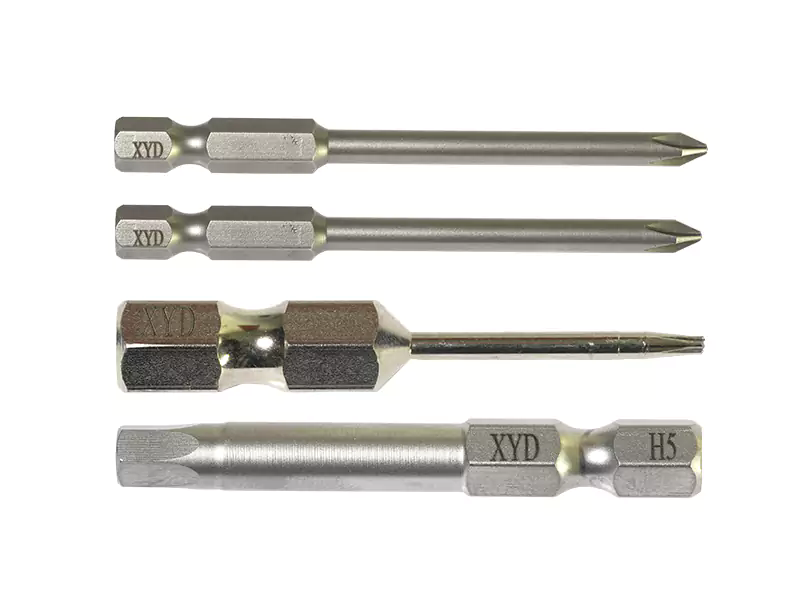
Table of Contents
- Abstract
- Outline
- Importance of Screwdriver Bits in Industrial Applications
- Common Types of Screwdriver Bits
- Materials and Coatings Explained
- How to Select the Right Screwdriver Bits
- Common Performance Problems and Solutions
- Maintenance and Usage Best Practices
- Comparison Table of Screwdriver Bit Types
- FAQ
- XYD Screwdriver Bits Product Page
Outline
- Introduction to screwdriver bits and industrial relevance
- Classification of bit types and drive systems
- Material science behind durability and torque resistance
- Selection criteria based on application environments
- Operational challenges and troubleshooting methods
- Preventive maintenance for extended service life
- Technical comparison chart for decision-making
- Frequently asked technical and commercial questions
Importance of Screwdriver Bits in Industrial Applications
Screwdriver bits play a foundational role in any fastening operation. While often overlooked, they serve as the direct interface between power tools and fasteners. Poor-quality or incorrectly selected bits can lead to stripped screws, reduced torque efficiency, and significant downtime in production environments.
In industries such as electronics assembly and automotive manufacturing, precision is critical. A mismatched bit not only reduces efficiency but may also damage expensive components. Companies like XYD emphasize engineered precision in their screwdriver bits to ensure consistent torque transfer and durability in demanding conditions.
Common Types of Screwdriver Bits
Screwdriver bits are categorized based on their drive head design. Each type is suited for specific fastening requirements and industry applications.
- Phillips Bits: Designed for self-centering and widely used in general assembly.
- Slotted Bits: Traditional design used in low-torque applications.
- Torx Bits: Star-shaped design offering high torque transfer and reduced cam-out risk.
- Hex Bits: Common in furniture assembly and mechanical systems.
- Pozidriv Bits: Improved grip over Phillips for industrial fastening.
Choosing the correct bit type is essential for avoiding slippage and ensuring optimal torque application.
Materials and Coatings Explained
The performance of screwdriver bits depends heavily on material composition and surface treatment. High-quality industrial bits are typically manufactured using:
- S2 Tool Steel: Known for high hardness and impact resistance.
- Chromium-Vanadium Steel: Offers a balance between toughness and flexibility.
- Hardened Alloy Steel: Suitable for heavy-duty applications.
Coatings also enhance durability:
- Black Oxide Coating: Reduces corrosion and improves wear resistance.
- Titanium Coating: Increases hardness and extends service life.
- Diamond Coating: Improves grip on fasteners and reduces cam-out.
XYD integrates advanced heat-treatment and coating technologies to ensure consistent performance under high-load conditions.
How to Select the Right Screwdriver Bits
Selecting screwdriver bits requires evaluating multiple operational parameters. A structured selection approach improves efficiency and reduces tool failure rates.
- Fastener Type: Match bit geometry with screw head design.
- Torque Requirements: Higher torque applications require tougher materials like S2 steel.
- Working Environment: Corrosive or humid environments require coated bits.
- Tool Compatibility: Ensure correct shank size and drive fitment.
Professional users often rely on standardized bit sets from manufacturers like XYD to ensure compatibility and performance consistency across multiple applications.
Common Performance Problems and Solutions
Users frequently encounter issues that reduce efficiency and increase operational costs. Below are common problems and their solutions:
- Bit Slippage: Caused by incorrect sizing or worn tips. Solution: use precision-ground bits.
- Premature Wear: Often due to low-grade materials. Solution: upgrade to hardened steel bits.
- Cam-Out Effect: Bit disengages under torque. Solution: use Torx or high-grip coatings.
- Rust Formation: Environmental exposure. Solution: use coated corrosion-resistant bits.
XYD focuses on minimizing these issues through strict manufacturing tolerances and advanced material engineering.
Maintenance and Usage Best Practices
Proper maintenance significantly extends the lifespan of screwdriver bits and improves safety during operation.
- Clean bits after heavy use to remove debris and metal shavings.
- Store in dry environments to prevent oxidation.
- Avoid using worn bits on high-torque applications.
- Regularly inspect for tip deformation or micro-cracks.
Industrial users benefit from implementing standardized inspection schedules, especially in high-volume production environments.
Comparison Table of Screwdriver Bit Types
| Bit Type | Torque Capacity | Cam-Out Resistance | Common Use |
|---|---|---|---|
| Phillips | Medium | Low | General assembly |
| Slotted | Low | Low | Simple fixtures |
| Torx | High | High | Automotive, electronics |
| Hex | High | Medium | Furniture, machinery |
| Pozidriv | Medium-High | Medium | Industrial assembly |
FAQ
1. What is the most durable screwdriver bit material?
S2 tool steel is widely regarded as one of the most durable materials due to its hardness and impact resistance.
2. Why do screwdriver bits wear out quickly?
Common reasons include incorrect bit selection, excessive torque, and low-quality materials.
3. How do I prevent cam-out during fastening?
Use properly matched bit types such as Torx or coated high-grip bits to improve engagement.
4. Are coated screwdriver bits worth it?
Yes, coatings like titanium or diamond significantly extend lifespan and improve performance.
5. Where can I find industrial-grade screwdriver bits?
XYD provides a wide range of industrial screwdriver bits designed for professional and heavy-duty applications.
Conclusion
Selecting the right screwdriver bits is not merely a purchasing decision but a critical operational factor affecting efficiency, cost control, and product quality. By understanding bit types, materials, coatings, and application requirements, users can significantly enhance fastening performance and reduce tool failure risks. XYD continues to deliver engineered solutions that meet demanding industrial standards, ensuring reliability across diverse applications.
For high-performance screwdriver bits designed for professional use, explore XYD solutions and ensure your operations achieve maximum efficiency and durability.
XYD is ready to support your industrial needs—contact us today to get expert guidance and tailored screwdriver bit solutions.