

How to Choose Curtain Wall Steel Materials?
2026-02-11
Article Abstract
Curtain wall systems are critical components of modern architecture, directly influencing building safety, durability, aesthetics, and long-term maintenance costs. Selecting appropriate curtain wall steel materials is a complex decision that affects structural integrity, corrosion resistance, fabrication efficiency, and overall project performance. This article provides a systematic and practical guide to understanding, comparing, and selecting curtain wall steel materials based on real-world engineering requirements and client concerns. It is designed to help developers, architects, contractors, and procurement teams make informed decisions with confidence.
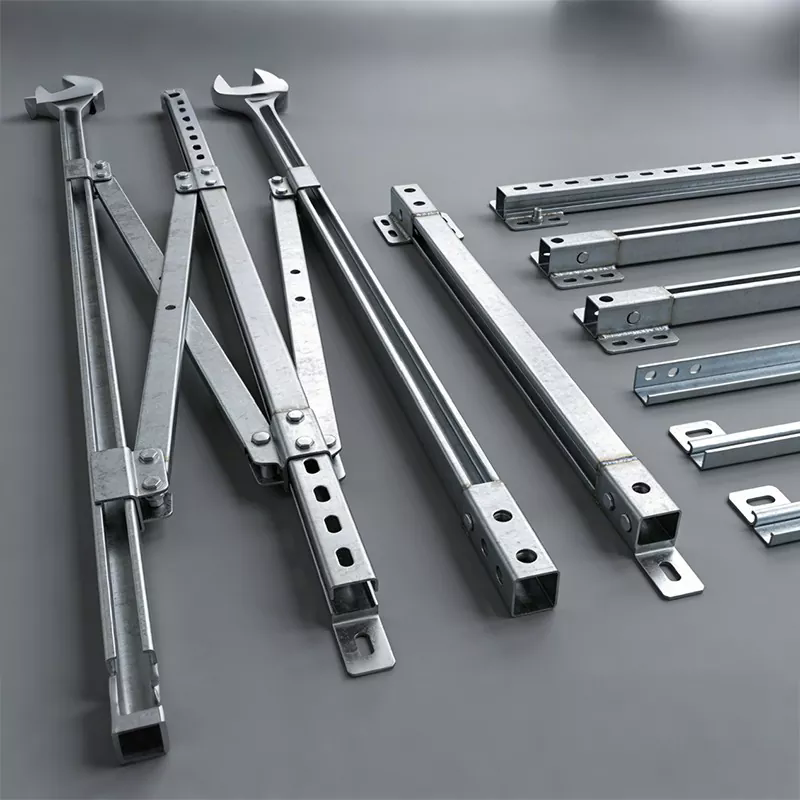
Table of Contents
- Overview of Curtain Wall Steel Materials
- Common Customer Challenges in Material Selection
- Key Performance Requirements for Curtain Wall Steel
- Main Types of Curtain Wall Steel Materials
- Comparison of Steel Material Properties
- Manufacturing and Quality Control Considerations
- Application Scenarios and Selection Guidance
- Frequently Asked Questions
- Conclusion and Contact Information
Overview of Curtain Wall Steel Materials
Curtain wall steel materials are primarily used to form the supporting framework of façade systems, providing load transfer, wind resistance, and dimensional stability. Unlike load-bearing walls, curtain walls rely heavily on steel components to safely anchor glass, aluminum panels, or stone cladding to the building structure.
The performance of curtain wall systems depends not only on design but also on the metallurgical properties, surface treatment, and fabrication accuracy of the steel materials used. Poor material selection can result in corrosion, deformation, installation difficulties, or shortened service life.
Common Customer Challenges in Material Selection
Many project stakeholders encounter similar issues when sourcing curtain wall steel materials:
- Uncertainty about which steel grade meets structural and environmental requirements
- Concerns over corrosion resistance in coastal or high-humidity regions
- Inconsistent material quality from different suppliers
- Difficulty balancing cost control with long-term performance
- Lack of clarity regarding standards, tolerances, and testing
Addressing these challenges requires a clear understanding of material performance indicators and application-specific needs.
Key Performance Requirements for Curtain Wall Steel
High-quality curtain wall steel materials must meet several essential performance criteria:
- Structural Strength: Adequate yield and tensile strength to withstand wind load and dead load
- Dimensional Accuracy: Tight tolerances for precise fabrication and on-site installation
- Corrosion Resistance: Protection against rust through material selection or surface treatment
- Weldability: Compatibility with standard welding processes without cracking or distortion
- Surface Quality: Clean, uniform surfaces suitable for coating or direct exposure
Main Types of Curtain Wall Steel Materials
Several steel material categories are commonly used in curtain wall systems:
- Hot-rolled structural steel sections
- Cold-formed steel profiles
- Galvanized steel tubes and channels
- Stainless steel components for high-end or exposed applications
Each type serves different structural and environmental requirements depending on project scale and design intent.
Comparison of Steel Material Properties
| Material Type | Strength Level | Corrosion Resistance | Typical Application |
|---|---|---|---|
| Hot-Rolled Steel | High | Moderate (with coating) | Main structural frames |
| Cold-Formed Steel | Medium to High | Moderate | Secondary supports |
| Galvanized Steel | Medium | High | Outdoor or humid environments |
| Stainless Steel | Medium | Very High | Decorative and exposed elements |
Manufacturing and Quality Control Considerations
Beyond material type, manufacturing consistency plays a crucial role in curtain wall performance. Reliable suppliers implement strict quality control processes, including:
- Chemical composition verification
- Mechanical property testing
- Dimensional inspection
- Surface treatment and coating thickness control
Proper documentation and traceability help ensure that supplied materials meet project specifications and regulatory requirements.
Application Scenarios and Selection Guidance
Different building types demand different material strategies:
- High-rise commercial buildings require high-strength steel with excellent fatigue resistance
- Coastal projects benefit from galvanized or stainless steel solutions
- Cost-sensitive developments often balance hot-rolled steel with protective coatings
Early collaboration between designers, engineers, and material suppliers improves compatibility and reduces revision risks.
Frequently Asked Questions
What steel thickness is commonly used for curtain wall frames?
Thickness typically ranges from 2.5 mm to 6 mm depending on load calculations and design standards.
Is galvanized steel necessary for all curtain wall projects?
Not always. Galvanized steel is recommended in corrosive environments, while coated carbon steel may suffice for controlled indoor or mild conditions.
How can material quality be verified before installation?
Mill test certificates, third-party inspections, and sample testing are standard verification methods.
Conclusion and Contact Information
Choosing the right curtain wall steel materials is a strategic decision that affects safety, durability, and project efficiency. By evaluating performance requirements, material properties, and supplier capabilities, stakeholders can significantly reduce risk and optimize long-term value.
Tianjin Shunchun Industrial Co., Ltd. specializes in supplying reliable curtain wall steel materials with consistent quality and professional technical support. If you are planning a façade project or need tailored material solutions, contact us today to discuss your requirements and receive expert assistance.
