How to Choose Between Cast and Machined Robot Joint Housing Assembly
2026-01-08
Selecting the optimal manufacturing method for a Robot Joint Housing Assembly is a critical decision that directly impacts performance, durability, and cost. At WDF, with decades of engineering expertise, we guide clients through this fundamental choice. Both casting and machining are viable paths, but understanding their distinct advantages is key to a successful robotic system.
The core difference lies in the production approach. Casting involves pouring molten metal into a mold, ideal for complex geometries. Machining involves removing material from a solid block (billet), achieving supreme accuracy. Your choice hinges on three pillars: Project Stage, Performance Needs, and Budget.
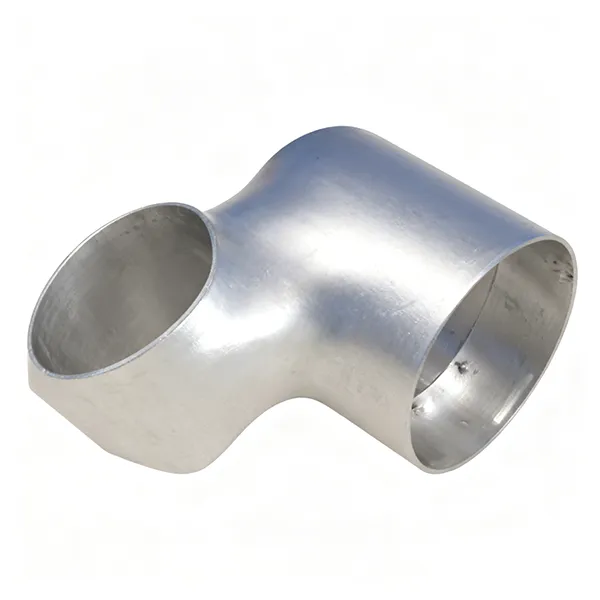
Key Considerations for Your Decision:
-
Design Complexity: Intricate internal channels or organic shapes favor casting.
-
Precision & Strength: For the highest tolerances and superior material integrity, machining is paramount.
-
Volume & Lead Time: High volumes justify casting's mold cost for lower per-unit price. Prototypes or low runs often suit machining.
-
Material Options: Certain high-strength alloys are more readily available in billet form for machining.
To clarify, here is a direct comparison:
| Feature | Cast Robot Joint Housing | Machined Robot Joint Housing |
|---|---|---|
| Best For | High-volume runs, complex shapes | Prototypes, low-medium volume, highest precision |
| Material Grain | Can have porosity | Continuous, superior strength |
| Surface Finish | Requires secondary finishing | Excellent directly from machining |
| Tooling Cost | High initial mold cost | Lower initial, higher per-part cost |
| Lead Time | Longer due to mold creation | Faster for initial parts |
Robot Joint Housing Assembly FAQ
Q: Can a cast housing be as strong as a machined one?
A: It depends on the application. While machining from billet typically yields a denser, more reliable structure, advanced casting techniques at WDF can produce high-integrity castings suitable for many dynamic loads. Critical, high-stress joints often benefit from machining.
Q: Which process is more cost-effective for a new prototype?
A: For one-off prototypes or small batches, machining is almost always more economical. It avoids the high upfront investment in casting molds, allowing for rapid design iteration and testing of your Robot Joint Housing Assembly.
Q: Does WDF offer hybrid manufacturing approaches?
A: Absolutely. A common strategy is to use a near-net-shape casting and then perform precision machining on critical mating surfaces and bore holes. This hybrid approach balances cost-efficiency with the required performance for the final Robot Joint Housing Assembly.
Your specific application dictates the ideal path. There is no universal answer, only the optimal solution for your robot's performance requirements and production timeline.
Still uncertain which method aligns with your project's technical and budgetary needs? Contact us at WDF today. Our engineering team will analyze your Robot Joint Housing Assembly design and provide a data-driven recommendation to ensure your robotics foundation is built for excellence.