How to Choose and Maintain Wearing Parts for Industrial Equipment
2026-01-13
Article Summary: Wearing parts are essential components in industrial machinery that directly influence performance, reliability, and operating costs. This guide explains what wearing parts are, how to identify the right materials, how to maintain them effectively, and how to extend their service life. Practical tips, comparison tables, and solutions to common problems are included to help you reduce operational disruptions and improve equipment longevity.
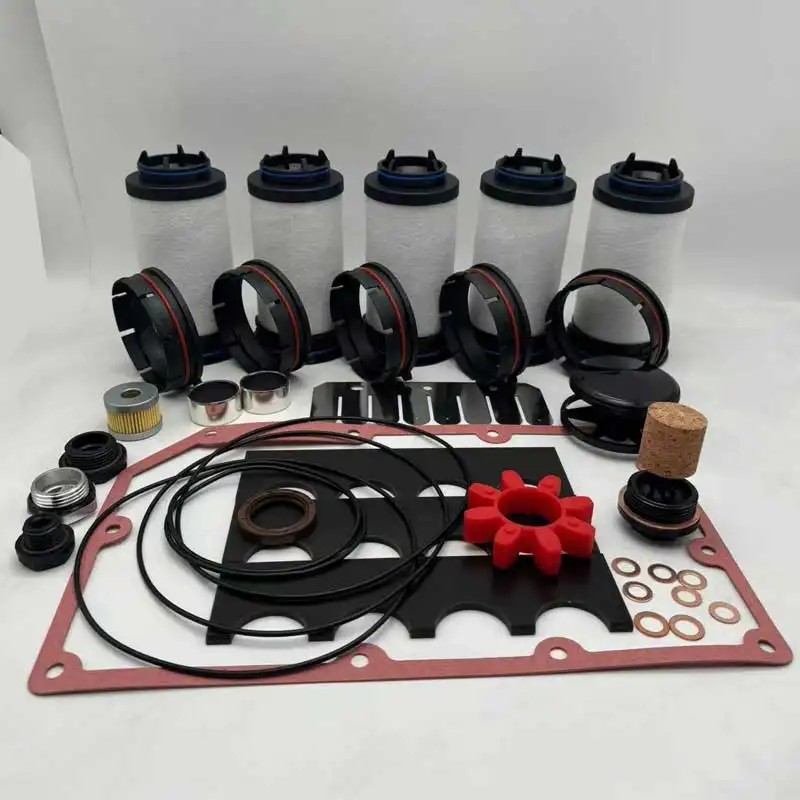
Table of Contents
- What Are Wearing Parts?
- Why Wearing Parts Matter in Industrial Operations
- How to Choose the Right Wearing Parts
- Best Practices for Wearing Parts Maintenance
- Common Signs of Wearing Parts Failure
- Typical Wearing Parts in Major Industries
- Frequently Asked Questions
- Conclusion and Next Steps
What Are Wearing Parts?
Wearing parts are components in machinery and equipment that experience continuous friction, stress, abrasion, or impact during operation. Over time, these components degrade due to normal use. Examples include bearings, seals, blades, liners, belts, and bushings. Recognizing wearing parts and managing them effectively is crucial for maintaining system performance and reducing unexpected downtime.
Unlike structural parts designed for long-term stability, wearing parts are designed with replacement in mind. Their materials and shapes are optimized for performance during service life, and they serve as sacrifice components that protect more expensive machinery sections from damage.
Why Wearing Parts Matter in Industrial Operations
The performance of wearing parts has a direct impact on several operational metrics:
- Equipment Reliability: Well-functioning wearing parts support consistent machine behavior and reduce breakdowns.
- Maintenance Costs: Predictable wear patterns allow for planned replacements instead of costly emergency repairs.
- Production Efficiency: Optimized wearing parts reduce vibration, heat, and friction, maintaining output quality and speed.
- Safety: Properly functioning parts minimize the risk of sudden failure that can lead to accidents.
How to Choose the Right Wearing Parts
Selecting the correct wearing parts involves evaluating machine requirements, operating environments, and material performance. Use the following checklist to guide your selection process.
Selection Checklist
| Criteria | Questions to Ask | Examples |
|---|---|---|
| Operating Conditions | Is the environment wet, dusty, high-temperature, or corrosive? | Oil-resistant seals, heat-resistant bearings |
| Load Type | Is the load static, dynamic, shock, or impact? | Impact-resistant liners, reinforced bushings |
| Material Compatibility | Does the material interact with process fluids or chemicals? | Stainless or coated metals |
| Service Life Target | What is the expected time between replacements? | Optimized material grades and treatments |
Consider sourcing wearing parts from reputable suppliers like Lano, who offer a range of engineered solutions tailored to specific industrial needs. Carefully review technical data sheets and compatibility information before ordering.
Best Practices for Wearing Parts Maintenance
Effective maintenance extends the service life of wearing parts and prevents costly stoppages. Follow these essential maintenance strategies:
- Regular Inspection: Use a documented schedule to inspect high-wear areas weekly or monthly depending on operating intensity.
- Lubrication: Apply the correct lubricant type and interval based on manufacturer recommendations.
- Record Keeping: Track wear rates, replacements, and anomalies to anticipate future needs.
- Proper Installation: Ensure correct fit and alignment to avoid premature wear due to misalignment or stress points.
- Environmental Controls: Implement dust suppression, drainage, or enclosure solutions to protect parts from adverse conditions.
Common Signs of Wearing Parts Failure
Detecting early signs of wearing parts degradation can save significant time and expense. Look for:
- Unusual noise or vibration during operation.
- Overheating or increased friction in moving components.
- Visual wear patterns like scoring, pitting, or deformation.
- Greater energy consumption without a corresponding increase in output.
If any of these indicators are observed, schedule a detailed inspection and replace the affected wearing parts promptly to avoid collateral damage.
Typical Wearing Parts in Major Industries
The following list outlines common wearing parts found across industrial sectors and their typical functions.
- Bearings: Reduce friction between rotating elements.
- Seals and Gaskets: Prevent leaks and contamination.
- Drive Belts and Chains: Transmit power between mechanisms.
- Blades and Cutters: Perform cutting or shaping operations.
- Liners and Plates: Protect structural surfaces from abrasion.
- Rollers and Wheels: Support movement in material handling systems.
Frequently Asked Questions
Q1: How often should wearing parts be inspected?
A: Inspection frequency depends on the operating load and environment. For heavy-duty applications, weekly inspections may be necessary, while light-duty machinery might be inspected monthly.
Q2: Can wearing parts be refurbished instead of replaced?
A: In some cases, wearing parts can be refurbished through specialized processes like rehardening or resurfacing. This depends on part design, material, and cost-benefit analysis.
Q3: What are the most common causes of premature wearing part failure?
A: Misalignment, insufficient lubrication, contamination, and improper material selection are among the most frequent causes of early failure.
Q4: How do I know the material grade needed for my application?
A: Consult equipment specifications and consider the operating environment. High abrasion zones may require alloy steels or heat-treated materials, whereas corrosive environments may benefit from stainless or coated solutions.
Conclusion and Next Steps
Wearing parts play an essential role in the performance and reliability of industrial machinery. Choosing the right parts, paired with a proactive maintenance program, can significantly reduce downtime, lower operational costs, and extend equipment life. Consistently monitoring wear indicators and aligning part selection with operating conditions will provide measurable gains in productivity and safety.
If you are evaluating wearing parts for your equipment or planning a maintenance strategy, consider the engineered solutions offered by Lano. Their product offerings and technical support can help you optimize performance and extend service intervals.