How to Choose a Children's Handstand Frame?
2026-02-11
Abstract
A Children's Handstand Frame is a specialized piece of training equipment designed to help children safely learn and practice handstands while improving balance, coordination, and core strength. However, many parents, schools, and training institutions face challenges when selecting the right model, including safety concerns, material quality, adjustability, and long-term usability. This article provides a comprehensive and structured guide to choosing a Children's Handstand Frame, addressing common pain points and offering practical insights to support informed decision-making.
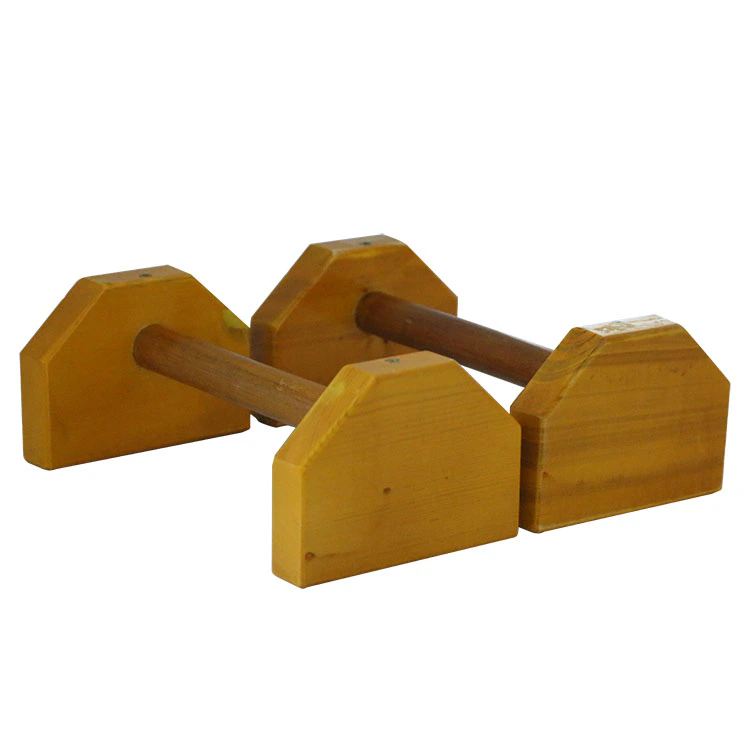
Table of Contents
- Article Outline
- What Is a Children's Handstand Frame?
- Common Challenges When Buying a Handstand Frame
- Key Factors to Consider
- Feature Comparison Table
- Typical Usage Scenarios
- Safety and Maintenance Guidelines
- Frequently Asked Questions
- Conclusion and Next Steps
Article Outline
- Understanding the function and value of a Children's Handstand Frame
- Identifying buyer pain points and risks
- Evaluating design, materials, and adaptability
- Comparing core features in a clear format
- Applying the product in real-world environments
- Ensuring safety, durability, and proper maintenance
What Is a Children's Handstand Frame?
A Children's Handstand Frame is a supportive training structure that assists young users in performing handstands with greater stability and reduced risk. Unlike free-standing practice, the frame provides controlled support for arms and shoulders, helping children develop correct posture and muscle memory. It is commonly used in gymnastics training, physical education classes, and home fitness environments.
The primary purpose of this equipment is not only skill acquisition but also confidence building. By offering a stable structure, children can focus on balance and strength rather than fear of falling.
Common Challenges When Buying a Handstand Frame
Many buyers encounter similar issues when selecting a Children's Handstand Frame. Understanding these challenges helps avoid costly mistakes.
- Safety Concerns: Unstable frames or poor welding may increase injury risk.
- Limited Adjustability: Fixed-size designs may not accommodate children of different ages.
- Low Durability: Inferior materials can deform or loosen over time.
- Unclear Usage Scope: Some frames are unsuitable for both home and institutional use.
- Maintenance Difficulty: Complex structures may require frequent tightening or repairs.
Key Factors to Consider
Choosing the right Children's Handstand Frame requires evaluating several technical and practical factors.
- Material Quality: Steel or reinforced alloy frames provide better load-bearing performance.
- Surface Treatment: Powder-coated or anti-rust finishes improve longevity.
- Height and Width Adjustability: Adjustable designs support growth and multiple users.
- Base Stability: Anti-slip foot pads or widened bases enhance ground grip.
- Ease of Assembly: Modular structures simplify installation and relocation.
Feature Comparison Table
| Feature | Basic Frame | Advanced Frame |
|---|---|---|
| Adjustable Height | No | Yes |
| Material | Standard Steel | Reinforced Alloy Steel |
| Anti-Slip Base | Partial | Full Coverage |
| Suitable Age Range | Single Age Group | Multiple Age Groups |
| Usage Environment | Home Only | Home & Training Institutions |
Typical Usage Scenarios
A Children's Handstand Frame can be applied in various environments, each with different requirements.
- Home Training: Supports daily practice with minimal supervision.
- Gymnastics Schools: Enables structured group training sessions.
- Primary Schools: Integrates into physical education curricula.
- Rehabilitation and Motor Skill Development: Assists controlled movement training.
Safety and Maintenance Guidelines
To ensure long-term safe use, regular inspection and correct operation are essential.
- Check bolts and joints periodically for looseness.
- Place the frame on flat, non-slippery surfaces.
- Avoid exceeding the recommended weight limit.
- Clean surfaces to prevent dust accumulation and corrosion.
Frequently Asked Questions
Is a Children's Handstand Frame suitable for beginners?
Yes. The frame is specifically designed to help beginners develop balance and strength with reduced risk.
What age range can typically use this equipment?
Most adjustable frames support children from early primary school age through pre-adolescence.
Can one frame be used by multiple children?
Yes. Frames with adjustable dimensions are suitable for shared use in schools or training centers.
Conclusion and Next Steps
Selecting the right Children's Handstand Frame involves more than choosing a basic support structure. Safety, adjustability, durability, and application scenarios all play a critical role in delivering long-term value. A well-designed frame helps children build confidence, improve physical coordination, and develop foundational strength in a controlled environment.
For organizations and families seeking reliable and well-engineered solutions, products developed by XinOuTai are designed with practical training needs in mind. To explore suitable options and receive professional guidance tailored to specific requirements, please contact us through XinOuTai for detailed product information and customized support.