How Thick Can Mercedes Wheel Spacers Adapter Be Before Problems Start
2026-09-29
Choosing the right thickness for Mercedes Wheel Spacers Adapter is one of the most important decisions a Mercedes owner can make. At J&W, we manufacture precision-engineered spacers and adapters for a wide range of Mercedes models, and we have seen how the wrong thickness can turn a clean stance upgrade into a costly repair. This guide explains the safe limits, the warning signs, and the technical reasons behind them.
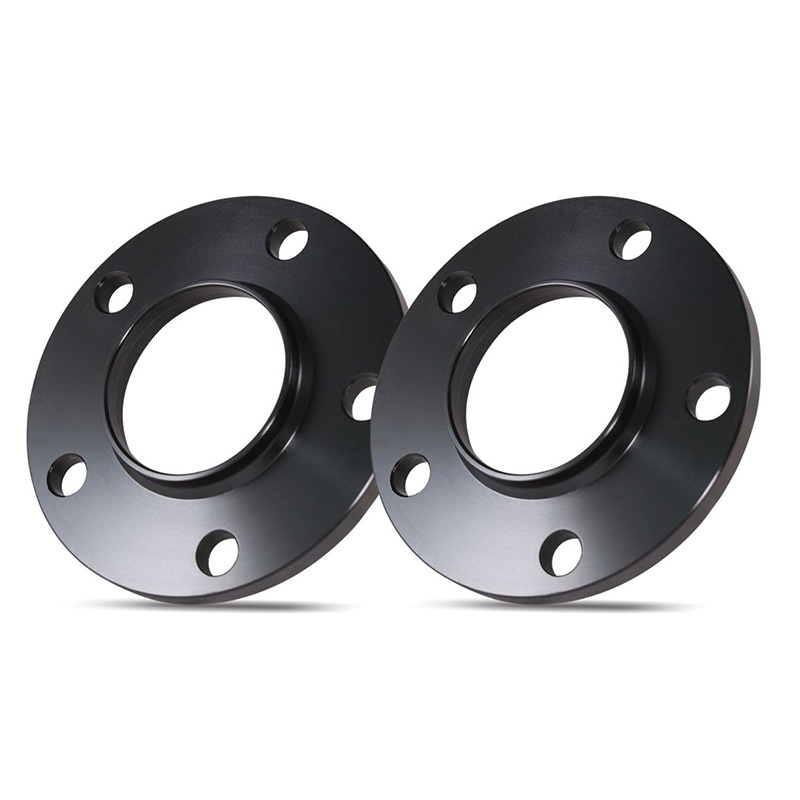
Why Thickness Matters More Than Most Owners Think
A Mercedes Wheel Spacers Adapter pushes the wheel outward from the hub. Every millimeter you add changes the scrub radius, increases leverage on the wheel bearings, and reduces the amount of thread or stud engagement available. Small changes are harmless. Large changes can compromise safety.
The general rule among suspension engineers is simple:
-
Up to 15mm: Safe for most street-driven Mercedes models with factory studs.
-
15mm to 25mm: Requires extended bolts or press-in studs and careful offset calculation.
-
25mm to 35mm: Acceptable only with hubcentric adapters and proper fender clearance.
-
Above 35mm: Usually requires adapter-style spacers with their own studs, plus suspension and alignment adjustments.
Safe Thickness Ranges by Setup
| Thickness | Hardware Required | Typical Use Case | Risk Level |
|---|---|---|---|
| 3mm–10mm | Factory bolts | Mild stance correction | Low |
| 10mm–15mm | Factory or +5mm bolts | Flush fitment on C-Class, E-Class | Low |
| 15mm–25mm | Extended bolts | Aggressive street stance | Moderate |
| 25mm–35mm | Hubcentric Mercedes Wheel Spacers Adapter | Widebody look, GLC, GLE | Moderate |
| 35mm+ | Adapter with integrated studs | Show builds, widebody kits | High if unengineered |
At J&W, every Mercedes Wheel Spacers Adapter is CNC-machined from 6061-T6 aluminum and tested for concentricity, so the thickness you order performs exactly as designed.
The Real Problems That Start With Excessive Thickness
-
Bearing wear – Added leverage accelerates wheel bearing fatigue.
-
Vibration – Non-hubcentric spacers cause shimmy at highway speed.
-
Fender contact – Tires rub the arch under compression or steering.
-
Reduced thread engagement – Fewer than 6–7 full turns is unsafe.
-
Alignment drift – Scrub radius changes pull the steering off-center.
Frequently Asked Questions About Mercedes Wheel Spacers Adapter
Q: What is the maximum safe thickness for a Mercedes Wheel Spacers Adapter on a daily driver?
A: For most daily-driven Mercedes models, 20mm to 25mm is the practical ceiling when using a hubcentric Mercedes Wheel Spacers Adapter with extended bolts, because it preserves bearing life and keeps the scrub radius within a tolerable range.
Q: Do I need hubcentric Mercedes Wheel Spacers Adapter for thickness above 10mm?
A: Yes. Any Mercedes Wheel Spacers Adapter thicker than 10mm should be hubcentric, since the hub lip carries the wheel load and prevents the vibration that lug-centric spacers commonly produce.
Q: Will thicker Mercedes Wheel Spacers Adapter void my warranty or fail inspection?
A: Thickness alone does not void a warranty, but improper installation or excessive width that alters suspension geometry can lead to denied claims, and some regions fail vehicles that exceed legal track width limits.
Getting the Fitment Right With J&W
Measure your current offset, confirm your bolt pattern and center bore, and choose the thinnest Mercedes Wheel Spacers Adapter that achieves your desired stance. J&W offers vehicle-specific fitment guidance, hubcentric designs, and extended hardware so every install stays within safe engineering limits.
Contact us today at J&W for a personalized fitment recommendation and to order the correct Mercedes Wheel Spacers Adapter for your model.