How Self Drilling Screw Improves Fastening Efficiency in Modern Construction Projects
2026-07-31
Article Summary
Self Drilling Screw has become an essential fastening solution for construction, manufacturing, metal fabrication, and industrial assembly applications. Unlike traditional screws that require pre-drilling operations, self drilling screws combine drilling and fastening functions in one component, helping reduce installation time, labor costs, and project complexity. This article explains how self drilling screws work, their advantages, application scenarios, selection methods, and common problems users face during installation.
With professional manufacturing experience and reliable fastening solutions, Xinhan provides high-quality self drilling screw products designed to meet different industrial requirements. Understanding the correct screw type, material selection, and installation method can help customers achieve stronger connections, better durability, and improved project efficiency.
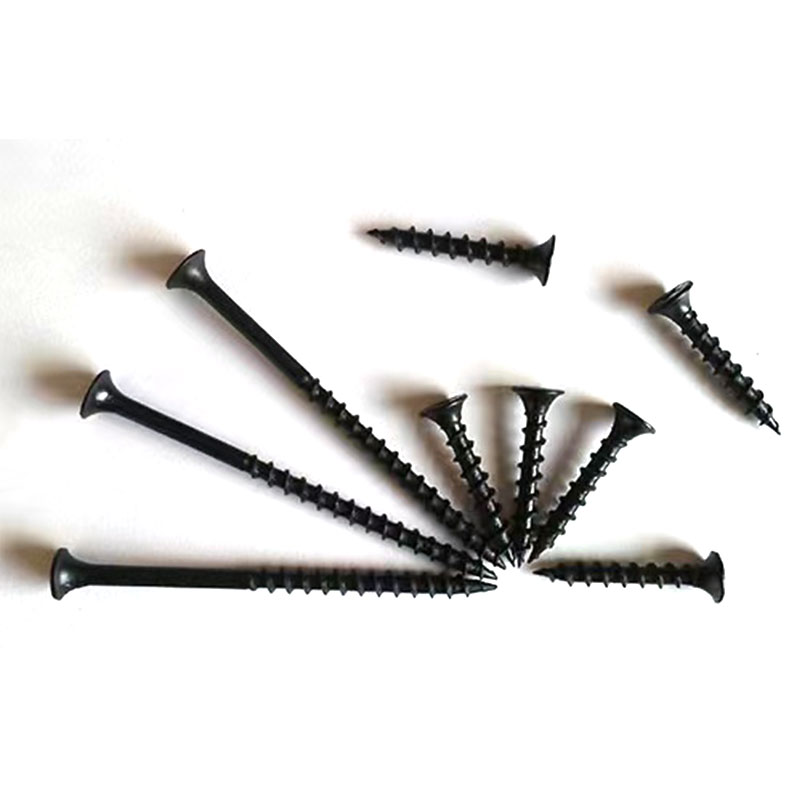
Table of Contents
- 1. Overview of Self Drilling Screw Technology
- 2. How Self Drilling Screw Works
- 3. Key Advantages of Using Self Drilling Screws
- 4. Common Applications of Self Drilling Screws
- 5. How to Choose the Right Self Drilling Screw
- 6. Proper Installation Methods and Best Practices
- 7. Common Problems and Solutions
- 8. Why Quality Self Drilling Screws Matter
- 9. Frequently Asked Questions
1. Overview of Self Drilling Screw Technology
Fastening technology plays a critical role in modern construction and industrial production. A reliable connection system must provide strength, stability, and efficiency while reducing installation difficulties. Traditional fastening methods often require separate drilling, tapping, and fixing procedures, which increase working time and equipment requirements.
A Self Drilling Screw is designed to simplify this process by integrating a drill point at the end of the screw body. The sharp drilling tip allows the screw to penetrate materials such as steel, aluminum, and other metal surfaces while creating its own hole. After drilling, the threaded section immediately engages with the material to form a secure connection.
This integrated design makes self drilling screws widely used in industries where speed, accuracy, and durability are important. From metal roofing systems to industrial equipment assembly, these screws provide an efficient alternative to conventional fastening solutions.
2. How Self Drilling Screw Works
The working process of a self drilling screw involves several stages. Understanding these stages helps users select suitable products and avoid installation problems.
- Drilling Stage: The hardened drill point penetrates the surface material and creates an accurate hole.
- Thread Engagement Stage: Once the hole is created, the screw threads grip the surrounding material.
- Fastening Stage: Continuous rotation drives the screw deeper until the connected components are firmly secured.
- Sealing Stage: Some designs include washers or specialized heads to improve sealing performance.
The effectiveness of a self drilling screw depends on factors such as material hardness, screw design, drilling capacity, thread structure, and installation speed. A properly selected screw can significantly improve connection reliability.
3. Key Advantages of Using Self Drilling Screws
Many industries choose self drilling screws because they solve common fastening challenges, including long installation processes, high labor requirements, and inconsistent connection quality.
- Faster Installation: The drilling and fastening functions are combined, reducing the number of installation steps.
- Lower Labor Costs: Workers can complete fastening operations with fewer tools and less preparation time.
- Improved Accuracy: The integrated drilling design helps create consistent fastening points.
- Strong Connection Performance: Properly selected screws provide excellent holding strength and vibration resistance.
- Wide Application Range: Different designs can be used for various materials and environments.
- Reduced Project Complexity: Eliminating pre-drilling simplifies workflow management.
For businesses handling large-scale construction or manufacturing projects, these advantages can create significant improvements in productivity and operational efficiency.
4. Common Applications of Self Drilling Screws
Self drilling screws are used across many industries because of their flexibility and reliable performance. Common applications include:
- Metal Roofing Systems: Used for fixing roofing panels, insulation materials, and structural components.
- Steel Frame Construction: Provides strong connections between metal structures.
- HVAC Installation: Helps secure ducts, brackets, and equipment components.
- Automotive Manufacturing: Used in certain assembly and component fastening applications.
- Electrical Equipment: Suitable for cabinets, panels, and metal enclosures.
- Industrial Machinery: Supports equipment assembly and maintenance operations.
Different industries require different screw specifications. Factors such as environmental conditions, load requirements, and base materials should always be considered before choosing a product.
5. How to Choose the Right Self Drilling Screw
Selecting the correct self drilling screw is essential for achieving a safe and durable fastening result. Customers should evaluate several important factors before purchasing.
- Material Compatibility: Choose screws designed for the specific material being fastened, such as steel, aluminum, or composite materials.
- Coating and Corrosion Resistance: Outdoor and high-moisture applications require protective coatings to improve service life.
- Thread Design: Different thread patterns provide different levels of grip and performance.
- Head Style: Select suitable head designs according to installation tools and appearance requirements.
- Drilling Capacity: Confirm that the screw can penetrate the thickness and hardness of the target material.
Xinhan focuses on providing dependable fastening products that meet various industrial needs. By selecting appropriate specifications, customers can reduce maintenance problems and improve overall project quality.
6. Proper Installation Methods and Best Practices
Even high-quality screws require correct installation methods to achieve their designed performance. Improper installation may lead to weak connections, damaged threads, or reduced service life.
- Use compatible power tools and accessories.
- Maintain proper drilling speed during installation.
- Avoid excessive tightening force that may damage the screw or material.
- Ensure the screw is installed perpendicular to the surface.
- Select the correct screw length for the application.
- Inspect installed fasteners regularly in demanding environments.
Following professional installation practices helps maximize the strength and durability of fastening systems.
7. Common Problems and Solutions
Although self drilling screws are designed for convenience, users may still encounter challenges during application.
-
Problem: Screw Cannot Penetrate the Material
Solution: Check whether the screw drilling capacity matches the material thickness and hardness. -
Problem: Loose Connection After Installation
Solution: Verify correct screw size, installation torque, and material compatibility. -
Problem: Corrosion Appears After Use
Solution: Select screws with suitable protective coatings for the working environment. -
Problem: Damaged Screw Head
Solution: Use proper tools and avoid excessive installation pressure.
8. Why Quality Self Drilling Screws Matter
Fasteners may appear small compared with other construction components, but their performance directly affects the safety and reliability of the entire structure. Low-quality screws may cause premature failure, increased maintenance costs, and project delays.
Reliable manufacturers focus on material selection, production control, dimensional accuracy, and performance testing. Xinhan understands the importance of dependable fastening solutions and provides self drilling screws designed for stable performance in different applications.
Choosing high-quality self drilling screws allows customers to achieve stronger connections, improved efficiency, and better long-term value.
9. Frequently Asked Questions
Q1: What is a Self Drilling Screw?
A Self Drilling Screw is a fastening component with a drill-shaped tip that can create its own hole while being installed, eliminating the need for separate drilling operations.
Q2: Can self drilling screws be used for metal materials?
Yes. Many self drilling screws are specifically designed for metal applications, including steel sheets, metal frames, and industrial components.
Q3: What affects the performance of self drilling screws?
Performance depends on screw material, coating, thread design, drilling capacity, installation method, and compatibility with the fastening material.
Q4: How can I prevent self drilling screw corrosion?
Selecting screws with appropriate surface treatments and protective coatings can improve corrosion resistance, especially in outdoor or humid environments.
Q5: Why choose Xinhan for self drilling screws?
Xinhan provides professional fastening solutions with attention to product quality, reliability, and application requirements, helping customers achieve efficient and durable connections.
Conclusion
Self Drilling Screw technology has transformed fastening operations by combining drilling and fixing into one efficient process. Its advantages in speed, convenience, strength, and versatility make it an important choice for modern construction and industrial applications.
Whether you need fastening solutions for metal structures, manufacturing projects, or specialized applications, selecting the right screw type is essential. Xinhan is committed to delivering reliable self drilling screw products that help customers improve installation efficiency and achieve long-lasting performance.
For professional fastening solutions, customized product requirements, and more information about our Self Drilling Screw products, please contact us today. Xinhan is ready to provide reliable support and high-quality solutions for your projects.