How Precision Tooling Fixtures Improve Machining Accuracy and Production Efficiency
2026-07-09
Article Summary
Precision Tooling Fixtures play a critical role in modern manufacturing by improving workpiece positioning, machining stability, repeatability, and production efficiency. As industries demand higher accuracy and shorter production cycles, traditional clamping methods often fail to meet the requirements of precision machining. This article explains how advanced tooling fixtures solve common manufacturing challenges, improve CNC machining performance, reduce production waste, and support consistent quality across different applications.
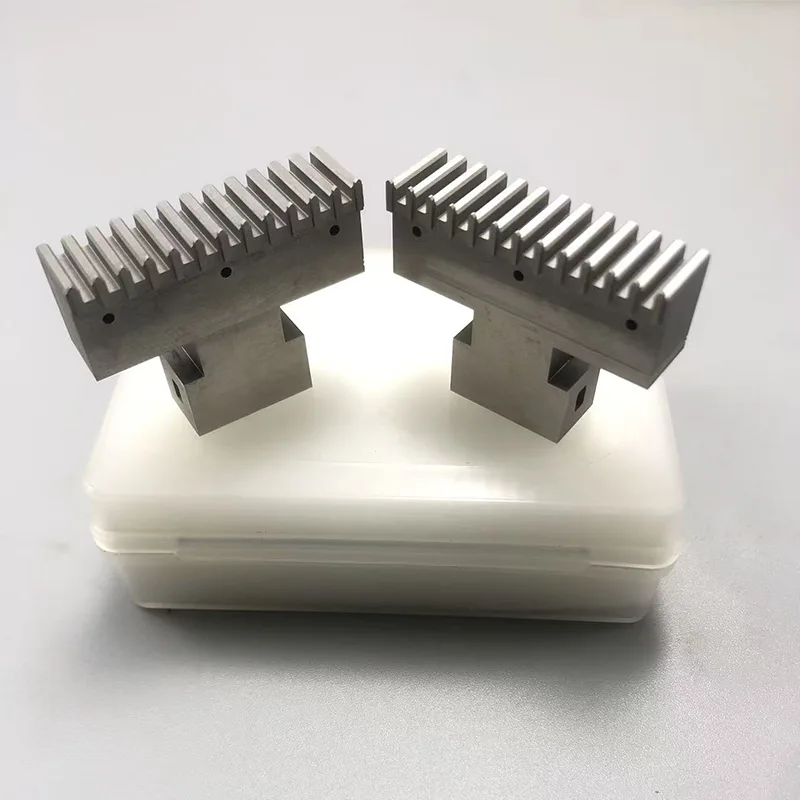
From aerospace components and automotive parts to medical devices and complex industrial products, reliable fixture solutions help manufacturers achieve tighter tolerances and optimize machining workflows. This guide explores fixture functions, advantages, selection factors, applications, and maintenance practices to help engineers and manufacturers make better decisions.
Table of Contents
- What Are Precision Tooling Fixtures?
- What Manufacturing Problems Can Precision Tooling Fixtures Solve?
- How Do Precision Tooling Fixtures Improve Machining Performance?
- Key Benefits of Using Precision Tooling Fixtures
- Industrial Applications of Precision Tooling Fixtures
- How to Choose the Right Precision Tooling Fixtures?
- Maintenance Tips for Long-Term Fixture Performance
- Traditional Fixtures vs Precision Tooling Fixtures
- Frequently Asked Questions
Article Outline
- Understanding the role of precision fixtures in modern manufacturing
- Identifying machining challenges caused by poor workholding solutions
- Exploring how fixture technology improves accuracy and efficiency
- Analyzing benefits for different industries
- Learning how to select and maintain suitable fixtures
What Are Precision Tooling Fixtures?
Precision Tooling Fixtures are specialized workholding devices designed to accurately position, secure, and support workpieces during machining operations. They are widely used in CNC machining, wire cutting, milling, grinding, drilling, and other high-precision manufacturing processes.
Unlike standard clamping systems, precision fixtures are engineered according to specific machining requirements. They help maintain the exact position of a component throughout the manufacturing process, preventing movement, vibration, and deformation that could affect final product quality.
Modern manufacturers rely on Precision Tooling Fixtures because product complexity continues to increase. Components often require extremely tight dimensional tolerances, complex geometries, and consistent repeatability during large-volume production.
- Accurate workpiece positioning
- Stable clamping during machining operations
- Reduction of machining errors
- Improved production repeatability
- Faster setup and shorter processing time
What Manufacturing Problems Can Precision Tooling Fixtures Solve?
Manufacturers often face challenges caused by unstable workholding methods. Even advanced CNC machines cannot achieve excellent results if the workpiece is not properly positioned and secured.
Common production problems include:
- Low machining accuracy: Incorrect positioning can lead to dimensional errors and inconsistent results.
- Workpiece movement: Insufficient clamping force may cause shifting during machining.
- Long setup times: Manual adjustment processes slow down production efficiency.
- High rejection rates: Poor repeatability increases material waste and manufacturing costs.
- Limited machining capability: Complex parts require specialized support solutions.
Precision Tooling Fixtures address these issues by providing reliable positioning references and stable support structures. This allows machines to operate at higher speeds while maintaining excellent accuracy.
How Do Precision Tooling Fixtures Improve Machining Performance?
Precision machining depends on three essential factors: machine capability, cutting tools, and workpiece stability. Precision Tooling Fixtures strengthen the connection between the machine and the component, creating a more controlled manufacturing environment.
The improvement process mainly includes the following aspects:
- Enhanced positioning accuracy: Fixtures ensure that each workpiece is placed in the correct machining location, reducing alignment errors.
- Better vibration control: Strong fixture structures minimize movement during cutting operations, improving surface finish and dimensional stability.
- Higher production consistency: Repeated machining operations can achieve similar results because each part follows the same positioning method.
- Improved machining efficiency: Faster loading and unloading processes reduce downtime and increase equipment utilization.
For manufacturers using CNC equipment, reliable fixture solutions can significantly improve overall productivity. The right fixture design allows operators to focus on process optimization instead of repeatedly correcting positioning problems.
Key Benefits of Using Precision Tooling Fixtures
Investing in high-quality Precision Tooling Fixtures provides long-term advantages for manufacturing companies. These benefits are especially valuable for industries requiring precision, reliability, and repeatable production.
- Higher Accuracy: Precision fixtures maintain stable positioning, helping manufacturers achieve strict dimensional requirements.
- Improved Efficiency: Quick installation and reliable clamping reduce unnecessary setup time.
- Reduced Manufacturing Costs: Lower scrap rates and fewer machining errors help control production expenses.
- Extended Tool Life: Stable machining conditions reduce unexpected impacts on cutting tools.
- Flexible Production: Customized fixtures can support different part designs and manufacturing requirements.
- Better Product Quality: Consistent machining performance leads to improved final component quality.
Industrial Applications of Precision Tooling Fixtures
Precision Tooling Fixtures are used across many industries where accuracy and reliability are essential. Their customized design makes them suitable for both complex prototypes and large-scale production.
- Aerospace Manufacturing: Used for machining lightweight but high-strength components that require strict tolerances.
- Automotive Industry: Applied in engine components, transmission parts, and precision mechanical assemblies.
- Medical Equipment Production: Supports manufacturing of surgical instruments and medical components with high accuracy requirements.
- Electronic Component Manufacturing: Helps produce small and complex parts with consistent dimensions.
- Mold and Die Manufacturing: Improves machining stability for complicated mold structures.
How to Choose the Right Precision Tooling Fixtures?
Selecting suitable Precision Tooling Fixtures requires careful consideration of machining conditions, component design, and production goals. A proper fixture should match both current manufacturing needs and future production requirements.
Key factors to consider include:
- Workpiece Characteristics: Consider material, shape, size, weight, and surface requirements.
- Machining Process: Different operations such as milling, grinding, and wire EDM may require different fixture structures.
- Accuracy Requirements: High-precision applications require fixtures with excellent positioning capability.
- Production Volume: Large-scale manufacturing may benefit from automated or quick-change fixture designs.
- Customization Capability: A professional supplier should provide solutions based on specific production challenges.
Maintenance Tips for Long-Term Fixture Performance
Proper maintenance helps Precision Tooling Fixtures maintain accuracy and extend service life. Even high-quality fixtures require regular inspection and care.
- Clean fixture surfaces regularly to prevent debris accumulation.
- Inspect positioning components for wear or damage.
- Check clamping mechanisms to ensure stable operation.
- Store fixtures in a dry environment when not in use.
- Perform calibration checks for precision applications.
A consistent maintenance program reduces unexpected production interruptions and ensures stable machining performance.
Traditional Fixtures vs Precision Tooling Fixtures
- Accuracy: Traditional fixtures may provide basic positioning, while precision fixtures are designed for strict tolerance control.
- Efficiency: Precision fixtures reduce setup time and improve workflow efficiency.
- Flexibility: Customized precision solutions can adapt to complex manufacturing requirements.
- Production Stability: Advanced fixture designs provide better repeatability during continuous machining.
For manufacturers competing in high-value markets, upgrading from conventional workholding methods to Precision Tooling Fixtures can create significant improvements in productivity and product consistency.
Frequently Asked Questions
Q1: Why are Precision Tooling Fixtures important for CNC machining?
Precision Tooling Fixtures improve workpiece stability and positioning accuracy, allowing CNC machines to achieve better machining quality and repeatable results.
Q2: Can Precision Tooling Fixtures be customized?
Yes. Professional manufacturers can design customized fixtures according to part dimensions, machining processes, and production requirements.
Q3: Which industries use Precision Tooling Fixtures?
They are widely used in aerospace, automotive, electronics, medical equipment, mold manufacturing, and other precision industries.
Q4: How do precision fixtures reduce production costs?
They reduce machining errors, improve production efficiency, minimize material waste, and lower downtime caused by inaccurate positioning.
Q5: What should companies consider before purchasing fixtures?
Companies should evaluate machining requirements, workpiece characteristics, accuracy expectations, production volume, and supplier customization capabilities.
Conclusion
Precision Tooling Fixtures are essential solutions for manufacturers seeking higher accuracy, improved efficiency, and consistent machining performance. By providing stable positioning and reliable workpiece support, these fixtures help overcome many common production challenges.
As manufacturing technology continues to advance, companies need dependable tooling solutions to remain competitive. With professional experience and customized capabilities, Xincheng provides high-quality Precision Tooling Fixtures designed to meet diverse machining requirements. For more information about improving your manufacturing process with reliable fixture solutions, contact us today.