How Long Does a Galvanized Z Purlin Last in Outdoor or Coastal Environments
2026-09-28
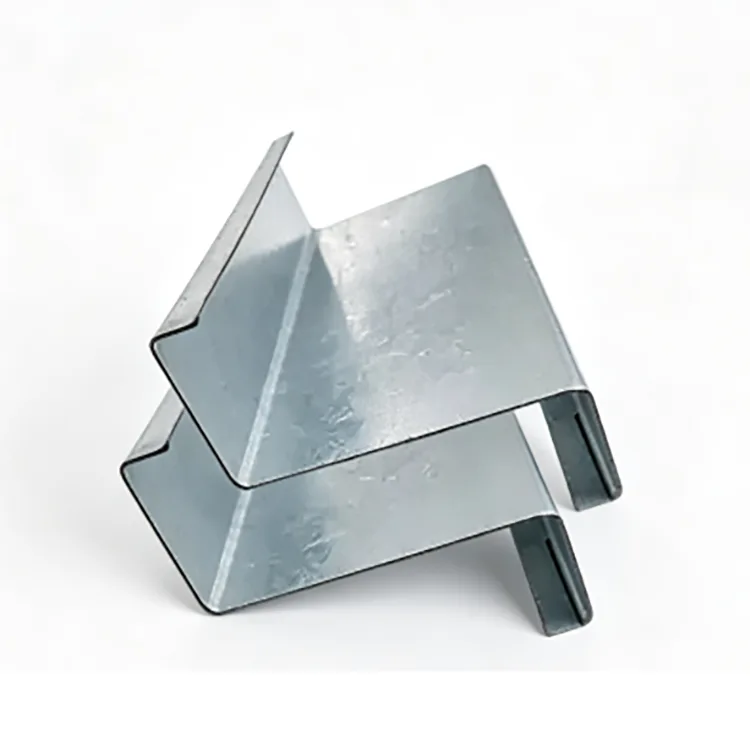
When specifying structural framing for outdoor or coastal projects, engineers and builders consistently ask how long a Galvanized Z Purlin will actually last. The answer depends on coating thickness, environmental aggressiveness, and installation quality — and getting it right protects both budgets and safety. At Rongheng, we manufacture Galvanized Z Purlins with controlled zinc coatings engineered for demanding service conditions, and this guide breaks down realistic service life expectations by environment.
Why Service Life Varies So Much
A Galvanized Z Purlin protects steel through a sacrificial zinc layer. Zinc corrodes first, shielding the base metal until the coating is consumed. Therefore, lifespan is primarily a function of zinc mass (measured in g/m² or µm) versus the local corrosion rate.
| Environment | Corrosion Rate (ISO 9223) | Typical Zinc Loss per Year |
|---|---|---|
| Rural / dry inland | C1–C2 | 0.5–2 µm |
| Urban / industrial | C3 | 2–5 µm |
| Marine (within 1 km of coast) | C4–C5 | 5–15 µm |
| Severe coastal / salt spray | CX | 15–25 µm |
Expected Service Life of a Galvanized Z Purlin
The table below assumes a standard hot-dip coating of 275 g/m² (about 39 µm total, ~20 µm per surface).
| Environment | Coating | Estimated Service Life |
|---|---|---|
| Rural indoor/outdoor | Z275 | 25–40 years |
| Urban/industrial | Z275 | 12–20 years |
| Coastal (1–5 km inland) | Z275 | 8–15 years |
| Direct coastal exposure | Z450–Z600 | 15–25 years |
| Severe marine + humidity | Z600 + coating system | 25+ years |
Key factors that extend or shorten life:
-
Coating mass — higher zinc weight directly extends protection time.
-
Edge condition — cut edges are the first to corrode; sealed or painted edges help.
-
Salt and humidity — chloride accelerates zinc consumption significantly.
-
Standing water — poor drainage traps moisture and shortens life.
-
Maintenance — periodic inspection and touch-up meaningfully extend service life.
Design and Material Considerations
Rongheng produces Galvanized Z Purlins in thicknesses from 1.5 mm to 4.0 mm, with zinc coatings from Z120 to Z600 to match project exposure. The Z-shape allows continuous nesting and lapping, which improves load transfer and reduces local stress points where corrosion often begins. For coastal work, we recommend:
-
Specifying Z450 or higher for structures within 5 km of the sea.
-
Applying a paint or powder topcoat over galvanizing in C5/CX zones.
-
Detailing sloped drainage to avoid ponding.
-
Using galvanized or stainless fasteners to prevent galvanic mismatch.
Galvanized Z Purlin FAQ
How long does a Galvanized Z Purlin last in coastal environments?
With a standard Z275 coating, expect roughly 8–15 years in coastal zones; upgrading to Z450–Z600 extends service life to 15–25 years or more, especially with a protective topcoat.
Does thicker zinc coating always mean a longer lifespan?
Yes, in most cases. Zinc mass is the primary driver of corrosion protection, so a Galvanized Z Purlin with Z600 will outlast an identical Z120 purlin in the same environment.
Can a Galvanized Z Purlin be repainted or coated after installation?
Absolutely. Cleaning the surface and applying an epoxy or polyurethane coating over the galvanized layer adds a second barrier and can significantly extend performance in aggressive coastal air.
Maintenance and Inspection Checklist
-
Inspect cut edges, bolt holes, and lap joints annually.
-
Remove salt deposits and debris with fresh water rinsing.
-
Touch up scratches with zinc-rich paint promptly.
-
Check for white rust (wet storage stain) and improve ventilation.
-
Record coating thickness readings every 3–5 years.
Conclusion
A Galvanized Z Purlin is a durable, cost-effective choice when the zinc coating is matched to the environment. Rural installations can exceed 30 years, while coastal sites demand higher coating weights and routine maintenance. Rongheng supplies Galvanized Z Purlins with verified coating specifications and technical support to help you specify the right product for your project.
Contact us today for a quotation, coating data sheet, or engineering consultation on your next Galvanized Z Purlin project.