How Is the Weight of a Ship Elevator Counterweight Calculated
2026-03-05
The precision required to move thousands of tons of water and steel vertically is staggering. At the heart of this engineering marvel lies the Ship Elevator Counterweight, a massive balancing force that ensures safe and efficient vessel transit. Determining the exact weight of this system is a complex process governed by physics and safety regulations. At Shengjian Fanrong, we specialize in manufacturing these critical components, ensuring every Ship Elevator Counterweight we produce meets rigorous international standards.
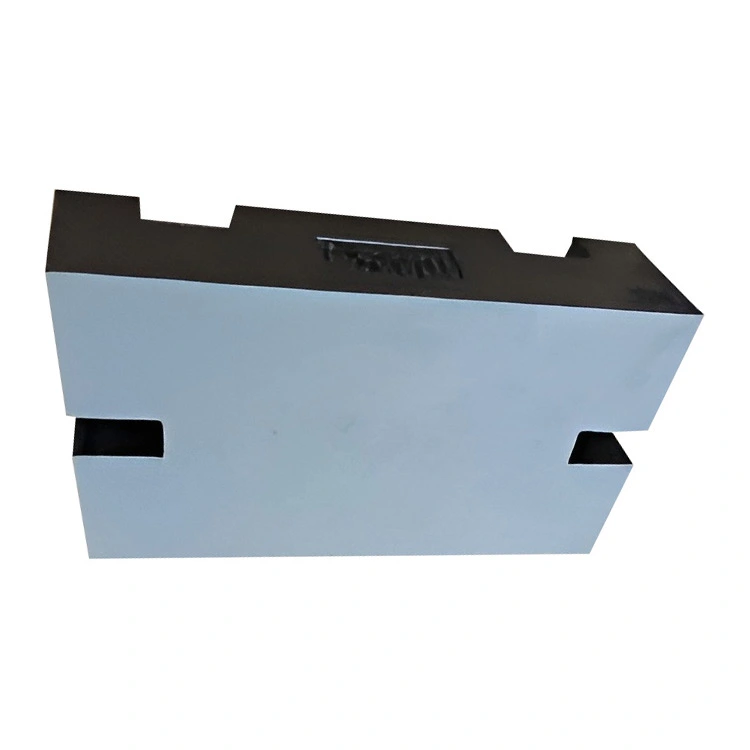
The Physics of Balance
Calculating the weight of a Ship Elevator Counterweight is not guesswork; it is a precise science based on the principle of counterbalancing. The primary goal is to neutralize the weight of the ship-filled chamber so the lifting motors only need to overcome friction and inertia, rather than the full gravitational force of the load.
The basic formula is derived from the mass of the ship chamber (when filled with water and the vessel) versus the mass of the counterweight. Typically, the counterweight is designed to balance the weight of the chamber plus a percentage of the water weight.
Key Factors in the Calculation
Several dynamic factors influence the final calculation. Below is a breakdown of the primary considerations engineers use to determine the necessary mass.
| Factor | Description | Impact on Counterweight Weight |
|---|---|---|
| Mass of Chamber (Dry) | The structural weight of the steel trough that holds the ship and water. | Directly proportional; a heavier chamber requires a heavier counterweight. |
| Water Displacement | The weight of water displaced by the ship in the chamber. This changes depending on the ship's size. | Variable; the counterweight usually balances the "full" chamber, with motors handling the imbalance from different ship sizes. |
| Rope & Chain Weight | The mass of the steel cables or chains connecting the chamber to the counterweight. | Must be factored in, especially in tall lifts, to ensure the system stays in equilibrium at all heights. |
| Friction & Safety Margin | A calculated amount of force reserved to ensure the driving wheels (sheaves) maintain traction. | Prevents slippage; ensures the motors always have a firm grip on the ropes. |
The Role of Shengjian Fanrong in Precision Engineering
At Shengjian Fanrong, we understand that accuracy is non-negotiable. When we manufacture a Ship Elevator Counterweight, we work from detailed engineering specifications that account for every variable listed above. Our fabrication process uses high-density materials, allowing for a compact design that saves space while providing the necessary mass. By partnering with Shengjian Fanrong, operators ensure their Ship Elevator Counterweight systems are built for longevity and flawless performance.
Ship Elevator Counterweight FAQ
To further clarify the intricacies of these massive systems, here are answers to some of the most common technical questions.
How do engineers account for different sizes of ships passing through the same elevator?
Engineers calculate the counterweight based on the "balanced condition." This usually means the Ship Elevator Counterweight is sized to balance the weight of the chamber when it contains a specific volume of water (often the "design water level"). The ship itself displaces water equal to its weight. As a ship enters, it pushes water out, keeping the total weight (chamber + water + ship) relatively constant. The lifting motors handle the slight variances between different vessel sizes.
What materials are used to achieve the massive weight required for these systems?
Modern Ship Elevator Counterweight systems typically use a combination of fabricated steel boxes filled with high-density concrete or scrap metal. At Shengjian Fanrong, we utilize high-grade structural steel for the framework, which is then filled with precisely measured ballast materials. This allows us to achieve the exact tonnage required in a modular format that is easier to transport and install.
How does the counterweight prevent the ship chamber from falling in case of a power failure?
The Ship Elevator Counterweight is intrinsically linked to the safety system. The drive mechanisms (such as large sheaves) have a mechanical grip on the ropes. The counterweight provides the necessary tension to keep these ropes engaged. In a power failure, mechanical brakes automatically clamp down on the drive system. Because the counterweight balances most of the load, these brakes have far less stress to manage, allowing them to stop and hold the chamber securely.
Ensure the Safety of Your Maritime Infrastructure
The accurate calculation and manufacturing of a Ship Elevator Counterweight is fundamental to the safety and efficiency of any ship lift. Whether you are upgrading an existing system or building a new facility, precision engineering is paramount. Do not leave this critical component to chance.
Contact us today to discuss your project requirements with the experts at Shengjian Fanrong and secure the vertical transport of your vessels.