How Is Samarium Cobalt Used in High-Temperature and Precision Industries?
2025-12-24
Article Abstract
Samarium Cobalt (SmCo) is a high-performance rare earth permanent magnet material known for its exceptional thermal stability, strong magnetic properties, and resistance to corrosion. This article provides a comprehensive overview of Samarium Cobalt, focusing on its material characteristics, technical parameters, industrial applications, and long-term development direction. Through structured analysis and practical explanations, the content addresses how Samarium Cobalt supports demanding operating environments such as aerospace, medical devices, energy systems, and advanced manufacturing. Frequently asked questions are included to clarify common technical concerns, while the concluding section highlights the role of ZHAOBAO MAGNET GROUP in delivering reliable Samarium Cobalt solutions and encourages professional consultation.
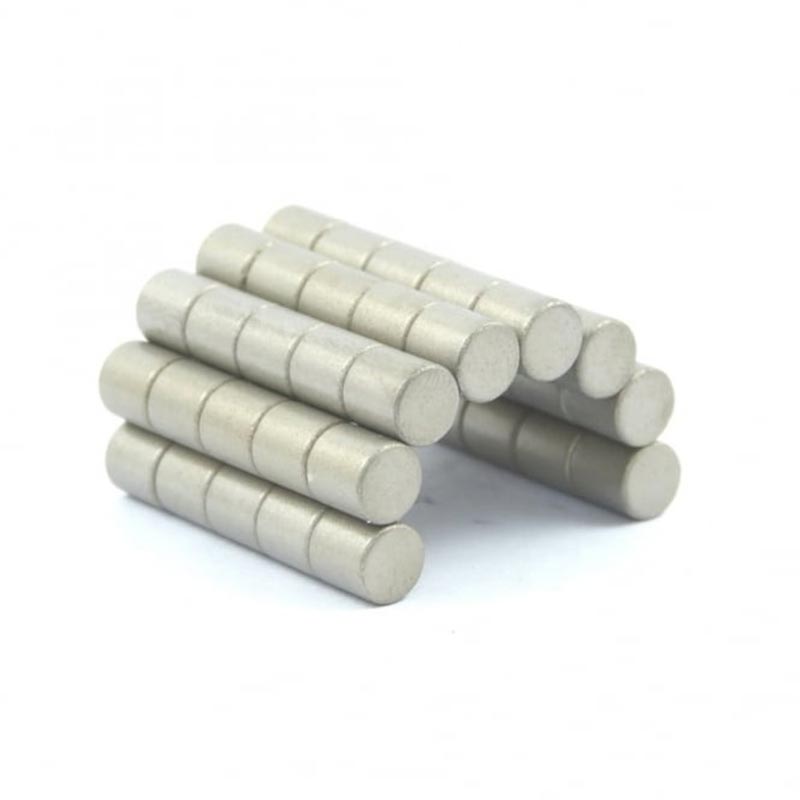
Table of Contents
- 1. How Does Samarium Cobalt Work as a Permanent Magnet Material?
- 2. How Are Samarium Cobalt Parameters Defined and Evaluated?
- 3. How Is Samarium Cobalt Applied Across Key Industries?
- 4. How Is the Future of Samarium Cobalt Shaping Advanced Technologies?
1. How Does Samarium Cobalt Work as a Permanent Magnet Material?
Samarium Cobalt is a rare earth magnet composed primarily of samarium (Sm) and cobalt (Co), typically classified into two main series: SmCo5 and Sm2Co17. These materials are engineered to provide stable magnetic performance under extreme conditions where other permanent magnets may fail. The intrinsic crystal structure of Samarium Cobalt enables high magnetic anisotropy, which directly contributes to strong coercivity and excellent resistance to demagnetization.
One of the defining characteristics of Samarium Cobalt is its ability to maintain magnetic properties at elevated temperatures. Operating temperatures can range from 250°C up to 350°C depending on grade, making it particularly suitable for environments involving heat, vibration, and long service cycles. Unlike certain other rare earth magnets, Samarium Cobalt also demonstrates strong corrosion resistance, reducing the need for surface coatings in many applications.
From a materials engineering perspective, Samarium Cobalt is often selected where reliability, dimensional stability, and predictable magnetic behavior are non-negotiable. These attributes explain its long-standing adoption in mission-critical systems and precision instruments.
2. How Are Samarium Cobalt Parameters Defined and Evaluated?
Understanding Samarium Cobalt performance requires close examination of its technical parameters. These parameters determine suitability for specific operating conditions and design constraints. Engineers typically evaluate magnetic strength, thermal tolerance, and mechanical stability when specifying SmCo magnets.
| Parameter | Typical Range | Technical Significance |
|---|---|---|
| Residual Induction (Br) | 0.8 – 1.2 T | Indicates the remaining magnetic flux density after magnetization |
| Coercivity (Hcj) | 600 – 2000 kA/m | Defines resistance to demagnetization under external fields |
| Maximum Energy Product (BHmax) | 150 – 260 kJ/m³ | Represents magnetic energy density and efficiency |
| Maximum Operating Temperature | 250 – 350°C | Determines thermal endurance in continuous operation |
| Curie Temperature | 700 – 820°C | Threshold beyond which magnetism is lost |
These parameters collectively define how Samarium Cobalt behaves in real-world applications. Compared with other permanent magnet materials, SmCo offers a balance of magnetic strength and thermal reliability, enabling designers to prioritize performance stability over short-term cost considerations.
3. How Is Samarium Cobalt Applied Across Key Industries?
Samarium Cobalt is widely adopted across industries that demand high precision and operational stability. In aerospace systems, it supports actuators, sensors, and control mechanisms exposed to extreme temperatures and mechanical stress. The magnet’s predictable behavior ensures consistent system response throughout extended service life.
In the medical sector, Samarium Cobalt is often used in diagnostic equipment, implantable devices, and surgical tools where reliability and material integrity are critical. Its corrosion resistance and thermal stability contribute to long-term safety and performance.
Energy and industrial automation sectors also rely on Samarium Cobalt for motors, generators, and coupling systems operating under fluctuating loads and temperatures. The magnet’s resistance to demagnetization ensures efficiency and reduces maintenance requirements.
Samarium Cobalt Common Questions and Answers
Q: How does Samarium Cobalt compare to other rare earth magnets in high-temperature environments?
A: Samarium Cobalt maintains magnetic stability at significantly higher temperatures, making it suitable for applications where thermal degradation would compromise other magnet types.
Q: How is Samarium Cobalt processed to achieve precise tolerances?
A: Samarium Cobalt magnets are typically manufactured through powder metallurgy and sintering processes, followed by precision grinding to meet strict dimensional and magnetic specifications.
Q: How does corrosion resistance affect the lifecycle of Samarium Cobalt magnets?
A: Natural corrosion resistance reduces the need for protective coatings, improving reliability and extending service life in demanding environments.
4. How Is the Future of Samarium Cobalt Shaping Advanced Technologies?
The future development of Samarium Cobalt is closely aligned with trends in electrification, aerospace innovation, and high-efficiency industrial systems. As operating environments become more demanding, the need for materials that deliver consistent performance under stress continues to grow. Samarium Cobalt remains a strategic material where performance margins are critical.
Advances in material processing and quality control are expected to further improve magnetic uniformity and reduce production variability. These improvements support tighter integration into next-generation systems, including advanced robotics, energy conversion technologies, and precision motion control.
Within this evolving landscape, ZHAOBAO MAGNET GROUP continues to provide engineered Samarium Cobalt solutions that align with global industrial standards and application-specific requirements. By focusing on material consistency, technical expertise, and long-term reliability, the brand supports customers seeking dependable magnetic components for high-performance systems.
For organizations evaluating Samarium Cobalt for demanding applications, professional consultation ensures accurate material selection and optimized performance. Contact us to discuss technical requirements, custom specifications, and application challenges with experienced specialists.