How Drone Structural Components Influence Performance?
2026-05-09
Summary: Drones are no longer a futuristic concept—they are an essential tool for industries ranging from aerial photography to agriculture and logistics. The efficiency, durability, and performance of drones largely depend on their structural components. In this article, we will explore the essential parts of a drone, their functions, and how choosing the right materials and design can improve overall performance. With insights from Deaote, a leading provider of high-quality drone structural components, we provide practical guidance for both manufacturers and drone enthusiasts.
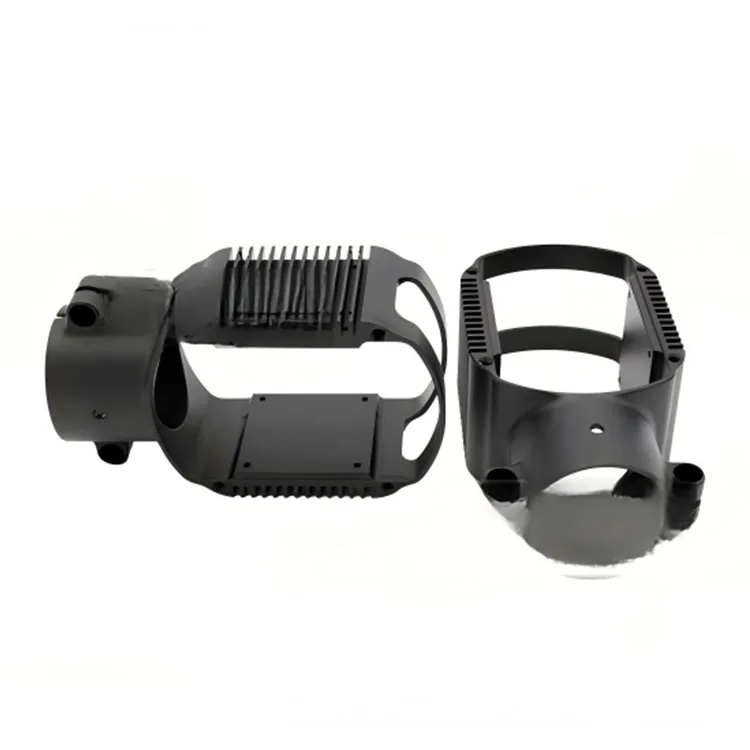
Table of Contents
- Introduction
- Key Drone Structural Components
- Material Considerations for Structural Components
- Impact on Drone Performance
- Assembly and Maintenance Tips
- FAQ
- Conclusion
Introduction
Drones have evolved from hobbyist gadgets into vital professional tools. Whether deployed for aerial mapping, surveillance, delivery, or inspection, the reliability of a drone hinges on its structural integrity. The structural components—ranging from the frame and arms to landing gear—are more than just supporting elements; they define stability, durability, and flight efficiency. Understanding these components is crucial for manufacturers, operators, and anyone involved in drone design.
Key Drone Structural Components
The structural design of a drone is composed of several critical elements. Here is a breakdown of the essential parts:
- Drone Frame: The frame acts as the skeleton of the drone, holding all parts together. Frames can be made from carbon fiber, aluminum, or high-strength plastics.
- Arms: The arms extend from the central frame to hold motors and propellers. Their design impacts flight stability and vibration damping.
- Landing Gear: Landing gear provides cushioning during takeoff and landing, reducing damage to the drone and payload.
- Propeller Mounts: Secure propeller attachment points are essential to avoid imbalances that could reduce efficiency.
- Motor Housings: Protect the motors from dust, debris, and accidental damage while maintaining airflow for cooling.
- Central Hub: This is where flight controllers, batteries, and sensors are mounted. It requires a strong yet lightweight structure.
Below is a comparison table showing typical materials used for each component and their advantages:
| Component | Common Material | Advantages |
|---|---|---|
| Frame | Carbon Fiber | Lightweight, high strength, vibration-resistant |
| Arms | Aluminum Alloy | Durable, easy to manufacture, corrosion-resistant |
| Landing Gear | High-Density Plastic | Shock absorption, lightweight, cost-effective |
| Propeller Mounts | Aluminum / Plastic Hybrid | Secure fit, reduces vibration |
Material Considerations for Structural Components
Choosing the right material is vital. Lightweight materials improve flight time, while durable ones enhance impact resistance. Manufacturers like Deaote focus on providing materials that balance strength, weight, and flexibility, optimizing drones for both industrial and consumer use.
- Weight vs. Strength: Carbon fiber offers a high strength-to-weight ratio, ideal for aerial photography drones where long flight duration is required.
- Durability: Aluminum alloys can withstand rough landings and environmental stress better than most plastics.
- Flexibility: Some components need slight flexibility to absorb vibration without damaging the electronics.
Impact on Drone Performance
The structural components directly influence flight stability, battery efficiency, and payload capacity:
- Stability: Properly designed arms and frame geometry reduce wobble during flight, improving camera footage and data accuracy.
- Flight Duration: Lightweight components reduce energy consumption, extending battery life.
- Payload Capacity: A strong frame supports heavier sensors or delivery packages without compromising safety.
- Maintenance: Durable materials reduce frequent repairs, ensuring reliable operation and reducing downtime.
Case Study: Drones equipped with carbon fiber frames from Deaote demonstrated a 20% increase in flight time and a 30% reduction in repair incidents compared to conventional plastic frames.
Assembly and Maintenance Tips
Proper assembly ensures optimal performance. Follow these guidelines:
- Ensure all screws and mounts are tightened to manufacturer specifications.
- Inspect frame and arms for cracks or stress marks before each flight.
- Clean components regularly to remove dust and debris, especially around motor housings.
- Replace worn landing gear promptly to prevent damage during landings.
- Use authorized parts from reputable suppliers like Deaote to maintain warranty and reliability.
FAQ
Q1: Why is carbon fiber preferred for drone frames?
A1: Carbon fiber is lightweight yet extremely strong, reducing energy consumption while improving durability.
Q2: Can I use plastic for drone arms?
A2: Plastic is possible for lightweight drones, but it may reduce stability and lifespan under stress.
Q3: How often should I inspect drone structural components?
A3: Conduct inspections before every flight for hobby drones and before each commercial operation for industrial drones.
Q4: Does the material affect vibration during flight?
A4: Yes, stiffer materials like carbon fiber reduce vibration transfer to cameras and sensors, improving data quality.
Conclusion
Drone structural components are more than just supporting elements—they are critical for performance, durability, and reliability. By selecting high-quality materials, following proper assembly, and maintaining regular inspections, drone operators can maximize flight efficiency and longevity. Deaote provides premium structural components that meet these requirements, ensuring your drones perform at their best.
For top-grade drone structural components and personalized consultation, contact us today and elevate your drone performance with Deaote.