How Does the Push Rod Affect Seedling Spacing in a Transplanting Machine
2025-12-26
In the precise world of mechanized agriculture, achieving uniform seedling spacing is paramount for optimal crop yield and health. At the heart of this precision in a transplanter lies a critical, yet often overlooked component: the push rod. This essential part of the planting mechanism acts as the direct actuator, translating mechanical power into the deliberate placement of each seedling. The performance and integrity of the Transplanter Push Rod directly dictate the accuracy and consistency of plant spacing. As a leader in agricultural machinery parts, Zhongxunda understands that a high-quality push rod is not just a spare part; it is the key to operational precision.
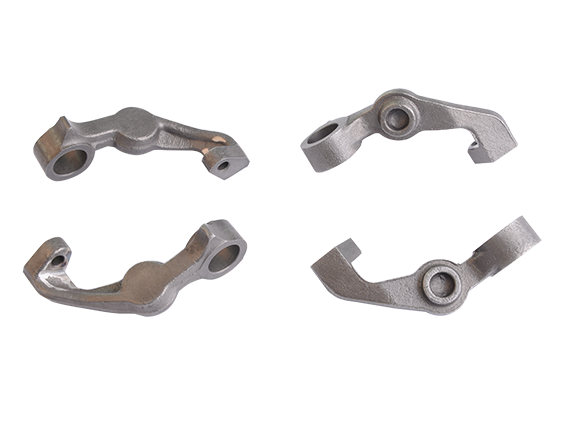
The push rod functions as the crucial link between the transplanter’s drive system and the seedling pick-up mechanism (often fingers or grippers). Its precise movement cycle determines the planting rhythm. Here’s how it directly controls spacing:
-
Stroke Length: The fixed distance the push rod travels forward and backward sets the fundamental gap between seedlings.
-
Timing & Synchronization: It must operate in perfect sync with the machine's ground drive wheels. Any lag or advance disrupts the intended spacing pattern.
-
Rigidity and Stability: A bent or worn push rod will flex or vibrate, causing inconsistent stroke completion and erratic placement.
To illustrate the impact of push rod condition, consider this comparison:
| Push Rod Condition | Effect on Seedling Spacing | Result in Field |
|---|---|---|
| Optimal (New/Precise) | Consistent, accurate stroke length and timing. | Perfectly uniform rows, optimal plant competition for resources. |
| Worn or Loose Bushings | Introduces play and slight variations in stroke. | Irregular gaps, some seedlings too close, others too far apart. |
| Bent or Damaged Rod | Stroke path is altered, causing severe inconsistency. | Random spacing, missed hills (skipping), and potential seedling damage. |
Transplanter Push Rod FAQ
Q: What are the most common symptoms of a failing push rod in my transplanter?
A: The primary signs include inconsistent or uneven seedling spacing, a noticeable "skipping" of planting stations, unusual knocking or clunking sounds from the planting unit, and visible physical damage like bending or excessive wear on the rod ends.
Q: Can I adjust seedling spacing simply by modifying the push rod?
A: No, the push rod itself is not an adjustment point for spacing. Its stroke length is typically fixed by the machine's design. Spacing is adjusted by changing the gear ratio between the ground wheel and the planting mechanism's drive shaft. However, a faulty rod will prevent you from achieving the spacing set by this adjustment.
Q: Why should I choose a genuine Zhongxunda replacement push rod over a generic part?
A: Zhongxunda push rods are manufactured to exacting OEM specifications from high-grade materials. They ensure precise hardness, straightness, and dimensional tolerance. This guarantees perfect fitment, synchronized operation with your transplanter, and long-term durability under heavy load, directly protecting your investment in planting accuracy.
Ensuring perfect seedling spacing starts with the integrity of your core planting components. Don’t let a worn push rod compromise your field’s potential. For genuine, precision-engineered replacement parts that restore and maintain factory-level performance, trust Zhongxunda. Contact us today to find the exact Transplanter Push Rod and expert support you need for a flawless planting season.