How Does the Design of a a Transplanter Push Rod Impact the Accuracy of Seedling Placement
2026-01-14
In the precision-driven world of mechanized agriculture, every component plays a pivotal role in determining final yield. At the heart of a seedling transplanter’s metering device lies a critical part: the Transplanter Push Rod. Its design is far from incidental; it is a fundamental engineering choice that directly dictates the consistency, depth, and uprightness of every seedling placed into the soil. As specialists at Zhongxunda, we understand that the synergy between precise movement and robust construction in this single component is what separates adequate performance from exceptional accuracy in the field.
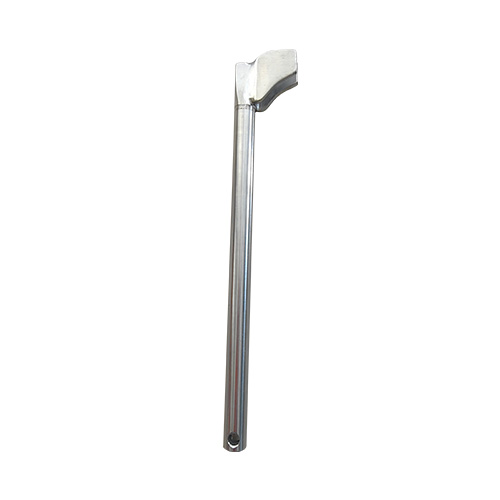
The core function of the push rod is to transfer rotational motion into a precise linear action, gently pushing seedlings from their trays into the prepared soil. Several design elements converge to define its performance:
-
Material Composition: High-strength, wear-resistant materials like hardened steel or advanced polymers ensure the rod maintains its exact dimensions and smooth operation over millions of cycles, preventing deflection or wear that causes misplacement.
-
Geometric Tolerances: The rod's diameter, straightness, and surface finish must be manufactured to extremely tight tolerances. This minimizes vibration and wobble during the high-speed operation, guaranteeing the push force is applied straight and true every single time.
-
Tip Design & Ergonomics: The shape of the rod’s tip that contacts the seedling plug is crucial. A well-designed tip cradles the root ball without compaction or damage, ensuring the seedling is released cleanly and vertically into the furrow.
The impact of these design factors can be summarized in their effect on key placement metrics:
| Design Feature | Impact on Seedling Placement Accuracy |
|---|---|
| Precision Machining | Ensures consistent stroke length, leading to uniform planting depth. |
| Optimal Weight & Rigidity | Reduces inertial lag for perfect timing with the soil opener and closer. |
| Specialized Tip Contour | Prevents root damage and promotes upright placement for better establishment. |
Transplanter Push Rod FAQ
What are the most common causes of inaccurate seedling placement related to the push rod?
The primary causes are wear on the rod tip or shaft, bending or misalignment from impact, and buildup of soil or debris that increases friction and alters the smoothness of the stroke. Regular inspection is key.
How often should a Transplanter Push Rod be inspected or replaced?
Inspection should occur before and after each planting season. Replacement frequency depends on usage, but signs like visible wear, bent shafts, or inconsistent planting depth are clear indicators. Zhongxunda rods are built for longevity, often lasting multiple seasons with proper care.
Can a push rod design be optimized for different seedling types?
Absolutely. Seedlings with delicate root structures (e.g., lettuce) benefit from a wider, concave tip, while sturdier plugs (e.g., tobacco) may require a different contour. Zhongxunda offers specialized designs to match specific crop requirements for ultimate accuracy.
Ultimately, the Transplanter Push Rod is a masterpiece of focused engineering where millimeter-perfect design translates to centimeter-perfect planting in the field. At Zhongxunda, we engineer every push rod with this philosophy, utilizing premium materials and precision manufacturing to deliver the reliability and accuracy your operation depends on. Don't let a minor component limit your major yields.
Contact us today to discuss how our precision-engineered Transplanter Push Rod solutions can enhance the accuracy and efficiency of your transplanting equipment.