

How Does Temperature Variation Impact the Durability of a Stainless Steel Elbow
2026-02-25
Understanding how temperature variation impacts the durability of a Stainless Steel Elbow is critical for maintaining the integrity of any piping system. At Shiwang, we specialize in manufacturing components that withstand extreme operational conditions, ensuring that your infrastructure remains safe and efficient regardless of thermal stress.
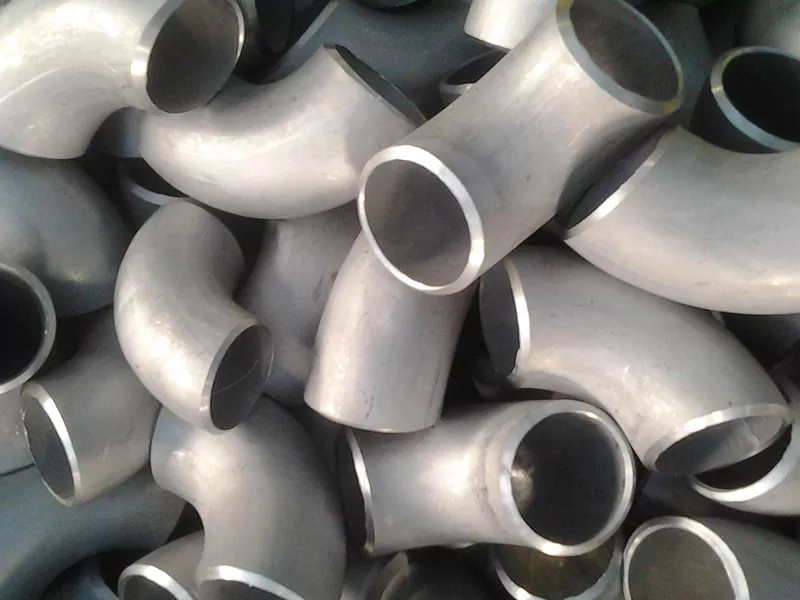
The Science of Thermal Expansion in Elbows
When a Stainless Steel Elbow is exposed to fluctuating temperatures, the material undergoes physical changes. Heat causes the metal to expand, while cold causes it to contract. This continuous cycle, known as thermal fatigue, can weaken the grain structure of the steel over time. Unlike straight pipe sections, an elbow must manage this stress while also dealing with directional changes in flow, making it a vulnerable point in the system.
Key Factors Affecting Durability Under Thermal Stress
The resilience of a fitting depends on several engineering factors. Below is a breakdown of how temperature variations specifically challenge the material:
| Factor | Impact of High Temperature | Impact of Low Temperature |
|---|---|---|
| Material Strength | Reduces tensile strength; may cause creep (deformation over time). | Increases tensile strength but reduces ductility, leading to brittleness. |
| Oxidation Rate | Accelerates the formation of scale on the surface, thinning the wall. | Slows chemical reactions; minimal oxidation risk. |
| Dimensional Stability | Causes significant expansion, potentially stressing welded joints. | Causes contraction, which can lead to shrinkage and seal failure. |
| Risk of Failure | High risk of warping or sagging under its own weight. | High risk of cracking under impact or vibration (embrittlement). |
Mitigating Risks with Proper Material Selection
To combat these issues, selecting the correct grade of Stainless Steel Elbow is essential. For high-temperature applications, grades with higher chromium and nickel content, such as 304H or 316H, are recommended as they offer superior resistance to creep and oxidation. For cryogenic applications, austenitic grades like 304L and 316L are preferred because they retain their toughness and do not become brittle like carbon steel. Shiwang provides certified material traceability to ensure your elbows meet the exact chemical and mechanical requirements for your operating temperature range.
Installation and Maintenance Considerations
Proper installation is the first line of defense against temperature-related damage. When installing a Stainless Steel Elbow, it is vital to consider the inclusion of expansion loops or bellows in the pipeline design. These components absorb the physical movement caused by thermal expansion, reducing the stress transferred directly to the elbow. Additionally, using proper heat treatment protocols during welding (such as solution annealing) can relieve residual stresses from the manufacturing process, thereby extending the service life of the component.
Frequently Asked Questions
What happens to a Stainless Steel Elbow if it gets too hot?
If a Stainless Steel Elbow exceeds its maximum designed service temperature, it begins to lose its mechanical strength. This can lead to a phenomenon called "creep," where the metal slowly and permanently deforms under tensile stress. For example, a standard 304 grade elbow operating continuously above 800°F (427°C) may experience reduced load-bearing capacity and accelerated formation of chromium carbides at the grain boundaries, which compromises its corrosion resistance and makes it susceptible to intergranular cracking.
Can temperature changes cause a Stainless Steel Elbow to crack?
Yes, rapid or extreme temperature changes can cause cracking, a failure mode known as thermal shock. If a hot Stainless Steel Elbow is suddenly quenched by a cold fluid or exposed to cold ambient air, the outer surface contracts much faster than the inner core. This differential contraction creates immense tensile stresses on the surface. If these stresses exceed the ultimate tensile strength of the material, cracks will initiate and propagate. This risk is particularly high in thicker-walled elbows where the temperature gradient between the inner and outer walls is most severe.
How does low temperature affect the pressure rating of a Stainless Steel Elbow?
While low temperatures generally increase the tensile strength of stainless steel, they negatively impact its ductility and toughness. The pressure rating of a Stainless Steel Elbow is not just about strength; it is also about the material's ability to absorb shock without fracturing. At cryogenic temperatures, austenitic stainless steels remain relatively tough, which is why they are used for liquefied natural gas applications. However, if the elbow contains ferritic impurities or has been improperly heat-treated, it can undergo a ductile-to-brittle transition. This means that a sudden pressure surge or vibration that would normally dent the metal could instead cause it to shatter catastrophically.
Conclusion
The impact of temperature variation on a Stainless Steel Elbow is a complex interaction of physics and metallurgy. By understanding these principles and choosing a reliable partner like Shiwang, you ensure the longevity and safety of your piping network. We are committed to providing components that deliver consistent performance, whether facing the heat of a processing plant or the cold of a cryogenic storage facility.
[contact us] For expert advice on selecting the right Stainless Steel Elbow for your specific temperature requirements, please contact Shiwang today. Our team is ready to assist you with technical specifications and durable solutions tailored to your project.
