How Does Switch Sheet Metal Processing Work?
2026-06-29
Abstract
Switch Sheet Metal Processing is a specialized manufacturing approach designed to produce precision metal switch components used in electrical systems, industrial control panels, automotive assemblies, and consumer electronics. This article explains the full workflow, core technologies, material selection principles, common challenges, and optimization strategies used in modern production environments. It also highlights how manufacturers such as Xinyang apply advanced fabrication systems to improve accuracy, durability, and cost efficiency while solving real customer pain points such as inconsistent quality, long lead times, and high production costs.
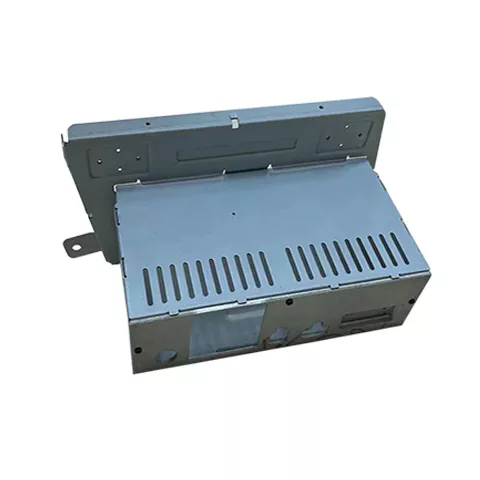
Table of Contents
1. Overview of Switch Sheet Metal Processing
Switch Sheet Metal Processing refers to the engineering and fabrication of metal components that form structural or functional parts of electrical switches and control systems. These parts typically include housings, brackets, conductive enclosures, mounting plates, and protective shells.
In industrial manufacturing, precision is critical because even slight dimensional deviations can lead to poor electrical contact, overheating, or mechanical failure. Companies like Xinyang specialize in producing highly accurate sheet metal switch components using automated CNC systems and advanced stamping technology.
- High dimensional accuracy requirements
- Electrical conductivity considerations
- Thermal resistance and durability demands
- Mass production efficiency requirements
2. Core Manufacturing Workflow
The production process of switch sheet metal components follows a structured workflow designed to ensure consistency and precision across large-scale production batches.
- Design and Engineering: CAD modeling and structural simulation to define geometry and stress points.
- Material Preparation: Sheet metal selection and cutting based on thickness and application.
- Laser Cutting / Punching: High-precision shaping of flat metal sheets.
- Bending and Forming: CNC press brakes form the 3D structure.
- Welding and Assembly: Joining multiple parts into a complete structure.
- Surface Treatment: Coating, anodizing, or plating for corrosion resistance.
- Final Inspection: Dimensional and functional quality testing.
Xinyang integrates automated production lines in this workflow to reduce human error and ensure repeatability across all batches.
3. Materials Used in Switch Sheet Metal Parts
Material selection plays a critical role in determining the performance of switch components. Different applications require different mechanical and electrical properties.
| Material | Key Properties | Typical Use Cases |
|---|---|---|
| Stainless Steel | Corrosion resistance, high strength | Outdoor switch enclosures |
| Cold Rolled Steel | Good formability, cost-effective | Industrial switch housings |
| Aluminum Alloy | Lightweight, thermal conductivity | High-performance electrical systems |
| Copper Sheets | Excellent conductivity | Conductive switch elements |
Manufacturers like Xinyang carefully evaluate operational environments before selecting materials to ensure long-term reliability.
4. Key Processing Technologies
Modern Switch Sheet Metal Processing relies heavily on advanced technologies to achieve precision and efficiency.
- Laser Cutting: Enables high-speed, high-accuracy cutting of complex geometries.
- CNC Punching: Efficient for repetitive hole patterns and standardized shapes.
- Press Brake Forming: Ensures accurate bending angles and structural integrity.
- Robotic Welding: Provides consistent joint strength and reduces defects.
- Surface Finishing Systems: Includes powder coating and electroplating for protection.
Xinyang adopts integrated CNC systems that synchronize these processes, significantly reducing production time while maintaining tight tolerances.
5. Quality Control and Inspection
Quality assurance is essential in switch component manufacturing because even minor defects can compromise electrical safety and system performance.
- Dimensional inspection using CMM (Coordinate Measuring Machines)
- Surface defect detection through optical scanning
- Electrical conductivity testing
- Mechanical stress and fatigue testing
At Xinyang, multi-stage inspection protocols are implemented to ensure that every part meets strict industrial standards before shipment.
6. Industrial Applications
Switch sheet metal components are widely used across multiple industries due to their structural reliability and adaptability.
- Power distribution systems
- Industrial automation control panels
- Automotive electrical systems
- Smart home and consumer electronics
- Telecommunication infrastructure
Xinyang supplies customized solutions for these industries, ensuring that each application receives optimized structural design and material performance.
7. Common Challenges and Solutions
Despite advancements in manufacturing, several challenges persist in switch sheet metal processing.
| Challenge | Impact | Solution |
|---|---|---|
| Dimensional deviation | Poor assembly fit | Precision CNC calibration |
| Surface corrosion | Reduced lifespan | Advanced coating technologies |
| Welding deformation | Structural instability | Robotic welding optimization |
Xinyang addresses these challenges through continuous process optimization and real-time production monitoring systems.
8. Optimization Strategies
To improve efficiency and reduce production costs, manufacturers implement several optimization strategies in switch sheet metal processing.
- Automated production line integration
- Lean manufacturing principles
- Digital twin simulation for design validation
- Predictive maintenance for machinery
- Batch production standardization
Xinyang continuously invests in intelligent manufacturing systems to improve scalability and maintain consistent product quality.
9. FAQ
Q1: What is Switch Sheet Metal Processing used for?
It is used to manufacture structural and functional components for electrical switches and control systems.
Q2: Which material is best for switch enclosures?
Stainless steel is often preferred due to its corrosion resistance and durability.
Q3: How does Xinyang ensure product quality?
Through multi-stage inspections, CNC precision control, and automated testing systems.
Q4: Can custom designs be produced?
Yes, customized switch sheet metal parts can be designed based on client requirements and application needs.
Conclusion
Switch Sheet Metal Processing is a highly specialized manufacturing discipline that combines precision engineering, advanced materials, and automated production technologies. Its importance continues to grow as industries demand more reliable and compact electrical systems.
With strong engineering capabilities and modern manufacturing infrastructure, Xinyang provides tailored solutions that address key challenges such as accuracy, durability, and production efficiency.
For high-quality customized switch sheet metal solutions and professional technical support, Xinyang is ready to assist your project needs. contact us today to start your cooperation and explore advanced manufacturing possibilities.