How Does Switch Sheet Metal Improve Performance and Durability in Electrical Systems?
2026-04-20
Abstract
Switch sheet metal plays a critical role in modern electrical enclosures, switchgear systems, and industrial control panels. Its structural integrity, conductivity, and protective properties directly impact system safety, longevity, and operational efficiency. This article explores how switch sheet metal is designed, manufactured, and optimized to solve common customer challenges such as corrosion, overheating, mechanical stress, and customization limitations. By understanding material selection, fabrication techniques, and application scenarios, businesses can make more informed procurement decisions and enhance overall system performance.
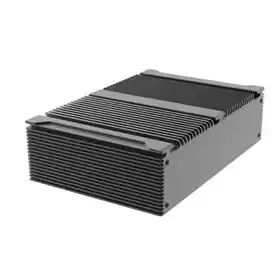
Table of Contents
- 1. Overview of Switch Sheet Metal
- 2. Common Customer Pain Points
- 3. Material Selection and Properties
- 4. Manufacturing Processes
- 5. Performance Enhancement Mechanisms
- 6. Application Scenarios
- 7. Comparison Table of Materials
- 8. How to Choose the Right Solution
- 9. FAQ
1. Overview of Switch Sheet Metal
Switch sheet metal refers to precision-engineered metal components used in electrical switching systems, including enclosures, panels, brackets, and protective casings. These components are typically fabricated using materials such as stainless steel, aluminum, or galvanized steel to ensure structural strength and environmental resistance.
Its primary function is not only to house sensitive electrical components but also to provide shielding, grounding, and mechanical stability. High-quality switch sheet metal ensures optimal system safety while minimizing maintenance requirements.
2. Common Customer Pain Points
- Corrosion Issues: Exposure to moisture or chemicals leads to rust and degradation.
- Poor Heat Dissipation: Overheating reduces component lifespan.
- Structural Weakness: Thin or poorly fabricated metal leads to deformation.
- Limited Customization: Standard designs may not fit unique project requirements.
- High Maintenance Costs: Frequent replacements increase operational expenses.
Addressing these challenges requires a combination of advanced material science and precise manufacturing techniques.
3. Material Selection and Properties
The choice of material significantly influences performance. Below are the most commonly used materials:
- Stainless Steel: उत्कृष्ट corrosion resistance and high strength.
- Aluminum: Lightweight with good thermal conductivity.
- Galvanized Steel: Cost-effective with decent rust protection.
Each material serves different industrial requirements depending on environmental conditions and load-bearing needs.
4. Manufacturing Processes
Switch sheet metal fabrication involves several advanced processes:
- Laser Cutting: Ensures high precision and minimal material waste.
- CNC Punching: Ideal for repetitive and complex hole patterns.
- Bending and Forming: Creates structural shapes and rigidity.
- Welding: Provides strong and durable joints.
- Surface Treatment: Includes powder coating, anodizing, and plating for protection.
These processes collectively ensure dimensional accuracy and long-term durability.
5. Performance Enhancement Mechanisms
Switch sheet metal improves system performance through multiple mechanisms:
- Thermal Management: Efficient heat dissipation prevents overheating.
- Electromagnetic Shielding: Reduces interference and enhances signal integrity.
- Mechanical Protection: Shields components from physical damage.
- Corrosion Resistance: Extends product lifespan in harsh environments.
These features directly contribute to improved reliability and reduced downtime.
6. Application Scenarios
- Electrical switchgear systems
- Industrial automation panels
- Telecommunication equipment
- Power distribution cabinets
- Renewable energy control systems
The versatility of switch sheet metal makes it indispensable across multiple industries.
7. Comparison Table of Materials
| Material | Strength | Corrosion Resistance | Weight | Cost |
|---|---|---|---|---|
| Stainless Steel | High | Excellent | Heavy | High |
| Aluminum | Medium | Good | Lightweight | Medium |
| Galvanized Steel | Medium-High | Moderate | Medium | Low |
8. How to Choose the Right Solution
Selecting the appropriate switch sheet metal depends on several factors:
- Environmental Conditions: Choose corrosion-resistant materials for outdoor use.
- Load Requirements: Ensure sufficient thickness and strength.
- Thermal Considerations: Opt for materials with high conductivity if heat dissipation is critical.
- Customization Needs: Work with manufacturers offering flexible fabrication options.
A tailored approach ensures optimal performance and cost efficiency.
9. FAQ
Q1: What thickness is ideal for switch sheet metal?
A: It depends on the application, but typically ranges from 0.8mm to 3mm for most electrical enclosures.
Q2: How can corrosion be prevented?
A: Using stainless steel or applying surface treatments such as powder coating significantly reduces corrosion risks.
Q3: Is aluminum suitable for heavy-duty applications?
A: Aluminum is lightweight and corrosion-resistant but may require reinforcement for heavy loads.
Q4: Can switch sheet metal be customized?
A: Yes, modern fabrication technologies allow for highly customized designs to meet specific project requirements.
Q5: What industries benefit the most?
A: Industries such as power distribution, telecommunications, and industrial automation benefit significantly.
Conclusion
Switch sheet metal is more than just a structural component—it is a critical factor in ensuring system reliability, safety, and efficiency. By selecting the right materials and manufacturing processes, businesses can overcome common operational challenges and achieve long-term performance gains.
If you are looking for high-quality, precision-engineered switch sheet metal solutions, Xinyang offers reliable manufacturing capabilities tailored to your needs. Contact us today to discuss your project requirements and discover how we can help optimize your systems.