How Does Sheet Metal Fabrication for Casings Work?
2026-06-30
Abstract
Sheet metal fabrication for casings is a core manufacturing process used to create durable, precise, and scalable protective enclosures for industrial, electrical, automotive, and consumer applications. This article explains how the process works, what materials are used, the key fabrication techniques involved, and how businesses can optimize cost, performance, and durability. It also highlights common challenges and practical solutions, helping decision-makers understand how to choose the right fabrication partner such as Xinyang for reliable casing production.
Article Outline
- Introduction to Sheet Metal Fabrication for Casings
- Core Fabrication Processes
- Materials Selection Guide
- Design Considerations for Casings
- Industrial Applications
- Quality Control and Standards
- Cost Structure and Optimization
- Benefits and Limitations
- Why Choose Xinyang Manufacturing Solutions
- Frequently Asked Questions
- Conclusion and Contact Information
Table of Contents
- 1. Introduction
- 2. Core Fabrication Processes
- 3. Materials Selection
- 4. Design Considerations
- 5. Industrial Applications
- 6. Quality Control
- 7. Cost Factors
- 8. Benefits and Challenges
- 9. Why Choose Xinyang
- 10. FAQ
- 11. Conclusion
1. Introduction
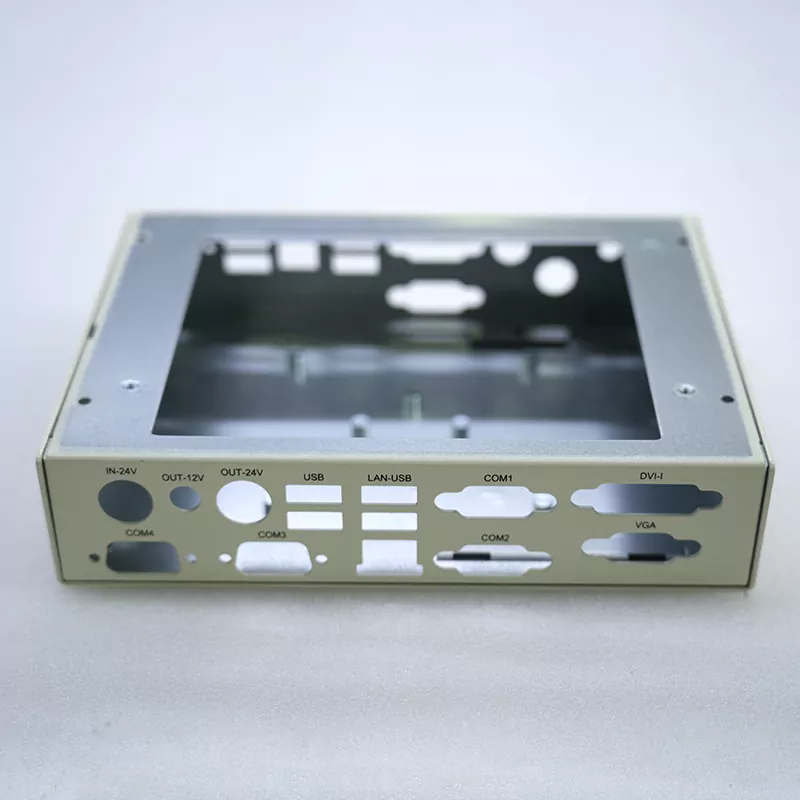
Sheet metal fabrication for casings is the backbone of modern industrial enclosure manufacturing. It involves transforming flat metal sheets into structured, functional housings that protect internal components from environmental, mechanical, and electrical risks. These casings are widely used in electrical panels, machinery housings, control boxes, and communication equipment.
Manufacturers like Xinyang specialize in delivering high-precision casings that meet strict dimensional tolerances while maintaining durability and cost efficiency. As industries demand lighter, stronger, and more customizable enclosures, sheet metal fabrication continues to evolve with advanced CNC technology and automated production systems.
2. Core Fabrication Processes
The production of sheet metal casings involves multiple sequential processes. Each step ensures structural integrity, accuracy, and functional performance.
- Cutting: Laser cutting, plasma cutting, or shearing is used to shape raw metal sheets.
- Bending: Press brakes form the metal into required angles and geometries.
- Stamping: Used for mass production of identical casing components.
- Welding: Joins multiple parts to form a rigid enclosure structure.
- Surface Treatment: Includes powder coating, anodizing, or galvanizing for corrosion resistance.
- Assembly: Final integration of panels, fasteners, and mounting components.
Each process must be tightly controlled to ensure that casings meet mechanical strength requirements and assembly compatibility.
3. Materials Selection
Material selection directly impacts durability, weight, and cost. The most commonly used materials include:
| Material | Key Properties | Common Applications |
|---|---|---|
| Stainless Steel | Corrosion-resistant, strong, durable | Outdoor electrical enclosures, marine equipment |
| Carbon Steel | High strength, cost-effective | Industrial machinery casings |
| Aluminum | Lightweight, corrosion-resistant | Electronics, transport equipment |
| Galvanized Steel | Rust-resistant coating | HVAC and general-purpose enclosures |
4. Design Considerations
Effective casing design ensures manufacturability, functionality, and long-term durability. Engineers must consider:
- Wall thickness optimization for strength and weight balance
- Ventilation and heat dissipation requirements
- Ingress protection (IP) ratings for dust and water resistance
- Mounting and accessibility for internal components
- Ease of assembly and maintenance
Companies like Xinyang use CAD and simulation tools to refine designs before production, minimizing errors and reducing manufacturing waste.
5. Industrial Applications
Sheet metal casings are widely used across multiple industries:
- Electrical control cabinets
- Telecommunication equipment enclosures
- Automotive battery housings
- Industrial machinery covers
- Medical device housings
Each application demands specific structural and environmental resistance characteristics, making customization a key requirement.
6. Quality Control and Standards
Quality assurance is critical in sheet metal fabrication. Manufacturers implement strict inspection protocols including:
- Dimensional measurement using precision instruments
- Weld strength testing
- Surface finish inspection
- Corrosion resistance testing
Xinyang integrates multi-stage quality checks throughout the production cycle to ensure every casing meets international industrial standards.
7. Cost Structure and Optimization
The cost of fabrication depends on several factors such as material type, complexity, and production volume. Below is a simplified breakdown:
| Cost Factor | Impact Level |
|---|---|
| Material Selection | High |
| Design Complexity | High |
| Surface Finishing | Medium |
| Production Volume | Low per unit (high volume reduces cost) |
8. Benefits and Challenges
Key Benefits:
- High durability and mechanical strength
- Scalable for mass production
- Customizable designs
- Cost-effective for industrial applications
Common Challenges:
- High initial tooling cost
- Complex design limitations
- Material waste in low-volume production
Advanced engineering solutions provided by manufacturers like Xinyang help mitigate these challenges through optimized production planning.
9. Why Choose Xinyang
Xinyang is a professional sheet metal fabrication provider specializing in high-precision casing solutions. The company combines advanced CNC machinery, experienced engineering teams, and strict quality management systems to deliver consistent results.
- Advanced laser cutting and CNC bending technology
- Custom design support for complex enclosures
- Strict quality control procedures
- Fast turnaround for both prototyping and mass production
By partnering with Xinyang, clients gain access to reliable manufacturing capabilities that support both small-scale customization and large industrial production requirements.
10. Frequently Asked Questions
Q1: What is sheet metal fabrication for casings?
It is the process of transforming flat metal sheets into protective enclosures used in various industries.
Q2: Which materials are best for outdoor casings?
Stainless steel and galvanized steel are commonly used due to their corrosion resistance.
Q3: Can casings be customized?
Yes, manufacturers like Xinyang offer full customization based on design and functional requirements.
Q4: What industries use sheet metal casings?
Electrical, automotive, telecommunications, medical, and industrial machinery sectors.
11. Conclusion
Sheet metal fabrication for casings plays a vital role in protecting and housing critical industrial systems. From material selection to final assembly, every stage of production influences performance, durability, and cost efficiency. With advanced manufacturing capabilities and engineering expertise, Xinyang delivers high-quality casing solutions tailored to diverse industrial needs.
For customized solutions, technical consultation, or bulk production inquiries, contact Xinyang today. Our team is ready to support your project from design to delivery—contact us now to get started.