How Does Screw Barrel Wear Affect the Quality and Consistency of Tube Extrusion Output
2026-04-17
In the world of precision manufacturing, the Tube Extrusion Screw Barrel is the heart of any extrusion line. When wear begins to compromise this critical component, the effects on product quality and process consistency can be immediate and severe. At E.J.S, we have witnessed how progressive wear leads to rejected batches, material degradation, and costly downtime.
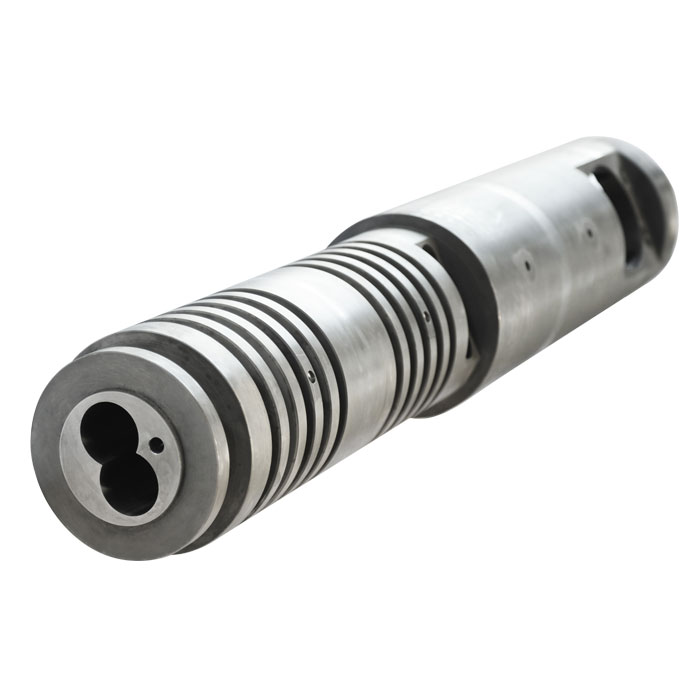
The Direct Impact of Wear on Output Quality
Screw barrel wear alters the fundamental geometry of the extrusion process. Clearance increases between the screw flight and barrel wall, reducing shear efficiency and melting capacity. The table below summarizes the most common quality defects caused by specific wear patterns.
| Wear Type | Effect on Extrusion | Resulting Tube Defect |
|---|---|---|
| Flight wear | Reduced conveying force | Inconsistent wall thickness |
| Barrel bore wear | Backflow of melt | Surface roughness and gels |
| Compression zone wear | Poor melting | Unmelted particles in tube |
| Feed section wear | Starved feeding | Surging and dimensional variation |
Consistency Losses and Process Instability
A worn Tube Extrusion Screw Barrel cannot maintain uniform melt pressure or temperature. Operators often compensate by raising screw speed or barrel temperatures, which accelerates further wear. This negative spiral leads to:
-
Pressure fluctuations exceeding ±5% of setpoint
-
Melt temperature variations up to 15°C
-
Increased scrap rates from 2% to over 12%
-
Frequent line stoppages for manual adjustments
E.J.S recommends scheduled clearance measurement every 3,000 operating hours to detect wear before it impacts production.
FAQ: Tube Extrusion Screw Barrel Common Questions
How can I tell if my Tube Extrusion Screw Barrel is worn without taking the system apart?
Monitoring key process parameters provides early warning signs. A gradual increase in screw speed to maintain the same output rate is a primary indicator. Additionally, if you observe rising melt temperature without changes in heater settings, or if back pressure becomes unstable despite constant die adjustments, these suggest excessive clearance. E.J.S offers non-destructive wear measurement tools that assess barrel internal diameter and screw flight height while the assembly remains installed, minimizing downtime for diagnosis.
What is the typical service life of a Tube Extrusion Screw Barrel before wear affects quality?
Service life varies dramatically based on material processed, screw design, and barrel metallurgy. For unfilled polyolefins with standard nitrided surfaces, 40,000 to 60,000 operating hours is common. Processing 30% glass-filled materials reduces this to 8,000–12,000 hours. E.J.S manufactures bimetallic barrels and hardened screw surfaces that routinely exceed 80,000 hours in abrasive applications. The key threshold is when diametral clearance reaches 0.3% of screw diameter, at which point melt backflow degrades output consistency.
Can repairing a worn Tube Extrusion Screw Barrel restore original quality levels?
Limited repairs can recover performance but rarely match original tolerances. Hardfacing and regrinding screw flights restores outer diameter, and barrel honing or re-sleeving addresses bore wear. However, cumulative tolerances after repair often remain two to three times larger than new components. For high-precision medical or automotive tubing, E.J.S recommends replacement rather than repair. For general industrial tube applications where ±5% output variation is acceptable, professional repair by an experienced shop like E.J.S can extend service life by 40–60% at half the replacement cost.
Best Practices for Maximizing Output Consistency
To protect your Tube Extrusion Screw Barrel from premature wear and maintain consistent output, follow these professional guidelines:
-
Select barrel liners with hardness matching the filler content of your resin
-
Implement a regular screw pull schedule every six months for visual inspection
-
Avoid running materials below recommended melt temperatures, which increases torque and abrasion
-
Use E.J.S proprietary wear-resistant coatings when processing high-calcium or glass compounds
Contact Us
Do not let undetected screw barrel wear compromise your tube extrusion line. Contact E.J.S today for a professional wear assessment and custom-engineered replacement solutions that restore your output quality and process consistency.