How Does Material Thickness Affect Stainless Steel Laser Cutting
2026-02-27
When precision and efficiency are non-negotiable, understanding the variables in Stainless Steel Laser Cutting is critical for manufacturers. At Fuchengxin, we have observed that one of the most significant factors determining the success of a project is material thickness. The gauge of the metal directly influences the cutting speed, the required power, and the overall quality of the edge finish. This guide explores how thickness impacts the process to help you optimize your production workflow.
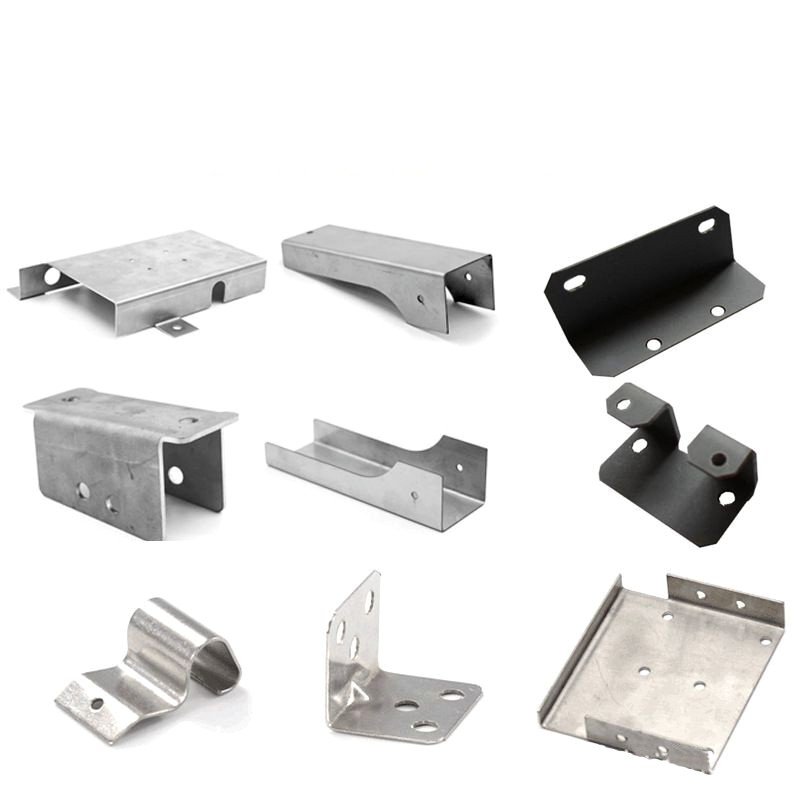
The Relationship Between Thickness and Cutting Dynamics
Stainless Steel Laser Cutting operates by melting or vaporizing the material with a focused beam. As the thickness increases, the laser must maintain energy density deeper into the material. Thinner sheets (under 3mm) typically vaporize quickly, resulting in high-speed cuts with a narrow kerf. However, as thickness increases, the process relies more on melt shearing, which introduces variables like drag lines and heat dissipation.
To achieve optimal results, parameters must be adjusted based on the specific gauge. Below is a general breakdown of how Fuchengxin typically categorizes cutting profiles:
| Material Thickness | Laser Power Requirement | Typical Cutting Speed | Edge Quality Consideration |
|---|---|---|---|
| Thin (0.5mm - 3mm) | Low to Medium | Very High | Minimal dross, fine striations |
| Medium (3mm - 8mm) | Medium to High | Moderate | Smooth edges, slight tapering |
| Thick (8mm - 25mm+) | Very High | Slow | Potential for coarse striations |
Key Challenges with Varying Thicknesses
Understanding the specific challenges associated with different thicknesses is essential for maintaining quality in Stainless Steel Laser Cutting.
-
Heat Affected Zone (HAZ): With thicker plates, the heat generated during cutting has more time to conduct sideways before being ejected by the assist gas. This can lead to a larger HAZ, potentially altering the material's mechanical properties near the cut edge.
-
Dross Formation: On medium to thick sheets, improper parameter matching often results in dross—re-solidified metal adhering to the bottom edge. Fuchengxin mitigates this by adjusting focus position and gas pressure dynamically.
-
Focus Position: For thin materials, the focus is usually placed on the surface. For thick materials, the focus is often moved inside the plate to maintain energy density through the depth.
Optimizing the Process for Different Gauges
To maintain efficiency and quality, operators must change specific variables. Nitrogen is commonly used for thinner gauges to create a clean, oxide-free edge, while oxygen might be considered for thicker plates to use the exothermic reaction to boost cutting capacity, though this leaves an oxidized edge.
At Fuchengxin, our advanced machinery automatically adjusts these parameters based on the input thickness, ensuring consistent results whether you are cutting foils or heavy plates.
Stainless Steel Laser Cutting FAQ
How slow can you cut thick stainless steel before quality degrades?
If the feed rate is too slow on thick stainless steel, the focused beam dwells too long in one area. This causes the heat to build up excessively, widening the cut kerf and creating a "washout" effect where molten material is blown inconsistently, leaving a rough, gouged surface rather than a clean edge. The key is to find the balance where the melt is expelled as quickly as it is created.
Does material thickness affect the choice of assist gas?
Yes, significantly. For thin to medium Stainless Steel Laser Cutting, high-pressure nitrogen is preferred because it blows the molten metal away without oxidizing the edge, preserving the material's corrosion resistance. For very thick plates, manufacturers often switch to oxygen. Oxygen introduces a chemical reaction that adds energy, allowing for thicker cuts, but it leaves a dark oxide layer on the cut edge that may require secondary cleaning.
What is the maximum thickness a laser can cut through stainless steel?
This depends entirely on the laser's power. A standard 3kW laser might max out around 12-15mm, while industrial machines with 10kW to 15kW+ power can reliably cut stainless steel up to 30mm or even thicker. However, beyond 25mm, the cut edge geometry naturally becomes slightly tapered, and tolerances widen compared to laser-cut thin sheets.
Conclusion
Mastering Stainless Steel Laser Cutting requires a deep understanding of how material thickness interacts with power, speed, and gas dynamics. Whether you need delicate precision in thin sheets or robust structural integrity in thick plates, partnering with an experienced fabricator is key.
Are you ready to bring your project to life with precision and reliability? Contact Fuchengxin today to discuss your specifications and receive a professional consultation tailored to your material needs.