

Abstract
Industrial coupling is a fundamental mechanical component used to connect two shafts in power transmission systems. It ensures torque transfer while accommodating misalignment, vibration, and mechanical stress between connected machinery. This article explains how industrial couplings work, their types, selection criteria, and maintenance considerations. It also addresses common operational challenges faced by engineers and procurement specialists, providing practical insights for improving system reliability and efficiency in industrial environments.
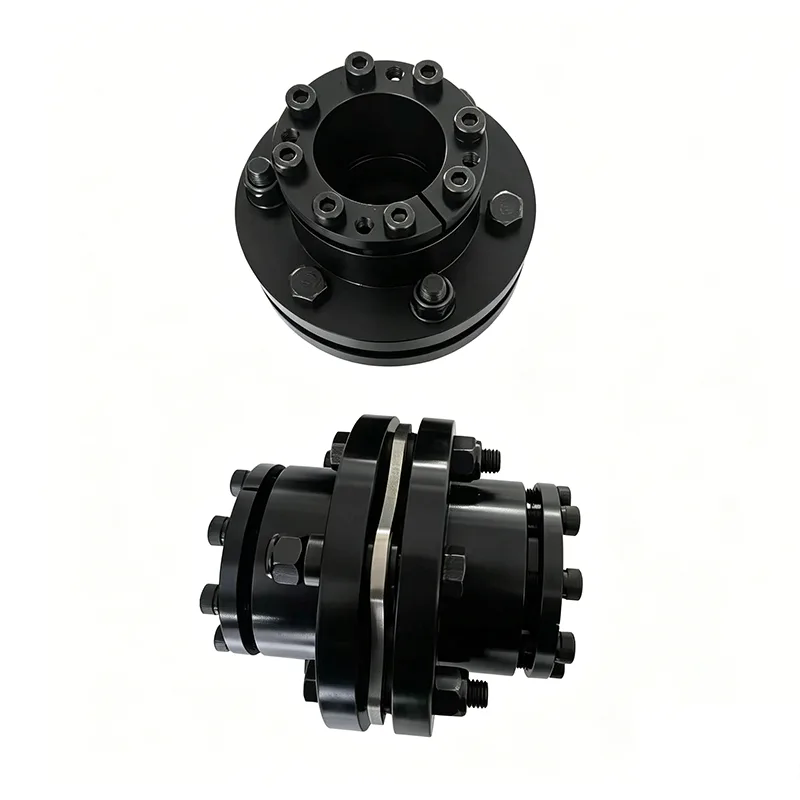
Table of Contents
- 1. Understanding Industrial Coupling Mechanism
- 2. Major Types of Industrial Couplings
- 3. Key Selection Criteria
- 4. Common Problems and Maintenance Practices
- 5. Comparison of Coupling Types
- 6. Frequently Asked Questions
- 7. Conclusion and Practical Recommendations
1. Understanding Industrial Coupling Mechanism
An industrial coupling is designed to connect two rotating shafts—typically a driving shaft and a driven shaft—so that torque and rotational motion can be transmitted efficiently. In real-world industrial environments, perfect alignment between shafts is rarely achievable. Therefore, couplings serve not only as connectors but also as compensators for angular, parallel, and axial misalignment.
The working principle of an industrial coupling is based on mechanical engagement between two hubs connected by an intermediate element or direct contact. Depending on the design, this element may be rigid, flexible, or elastomeric. When the driving shaft rotates, torque is transmitted through the coupling to the driven shaft, enabling machinery such as pumps, compressors, conveyors, and mixers to operate smoothly.
In heavy-duty systems, coupling performance directly affects energy efficiency, machine lifespan, and operational safety. A poorly selected or misaligned coupling can result in vibration, overheating, and premature equipment failure.
2. Major Types of Industrial Couplings
Industrial couplings are classified based on their design and functional characteristics. Each type is engineered to meet specific operational requirements.
- Rigid Couplings: Used when precise alignment is available. They offer zero flexibility and high torque transmission efficiency.
- Flexible Couplings: Designed to absorb misalignment and reduce vibration between shafts.
- Gear Couplings: Utilize gear teeth engagement to transmit high torque in heavy machinery.
- Grid Couplings: Use a metallic grid element to improve shock absorption and flexibility.
- Jaw Couplings: Feature elastomeric spiders for vibration damping and shock load reduction.
- Fluid Couplings: Use hydraulic fluid to transmit torque smoothly without direct mechanical contact.
Each type plays a unique role in industrial systems, and selecting the appropriate coupling is essential for ensuring performance stability and reducing maintenance costs.
3. Key Selection Criteria
Choosing the right industrial coupling involves evaluating multiple engineering and operational factors. Below are the most critical considerations:
| Criteria | Description |
|---|---|
| Torque Capacity | The coupling must handle maximum transmitted torque without failure. |
| Misalignment Tolerance | Ability to compensate for angular, parallel, or axial misalignment. |
| Operating Speed | High-speed applications require dynamically balanced couplings. |
| Environmental Conditions | Temperature, humidity, and corrosion resistance requirements. |
| Shock and Vibration | Systems with frequent load changes need damping capabilities. |
Incorrect selection can lead to inefficiencies such as energy loss, mechanical wear, and unexpected downtime. Engineering teams often rely on application-specific calculations and manufacturer guidelines when determining the most suitable coupling type.
4. Common Problems and Maintenance Practices
Despite their robust design, industrial couplings can experience operational issues over time. The most common problems include misalignment, wear of flexible elements, lubrication failure, and fatigue cracking.
- Misalignment Wear: Leads to uneven load distribution and vibration.
- Elastic Element Degradation: Common in jaw and grid couplings due to heat and stress.
- Lubrication Failure: Affects gear couplings and increases friction.
- Corrosion: Occurs in harsh industrial environments without proper protection.
Preventive maintenance is essential. Regular inspection, alignment checks, and lubrication schedules significantly extend service life. Predictive maintenance technologies, such as vibration analysis, are increasingly used in modern industries to detect early signs of coupling failure.
5. Comparison of Coupling Types
| Type | Flexibility | Torque Capacity | Maintenance | Best Application |
|---|---|---|---|---|
| Rigid Coupling | None | High | Low | Precision aligned shafts |
| Flexible Coupling | High | Medium | Medium | General industrial machines |
| Gear Coupling | Medium | Very High | High | Heavy-duty equipment |
| Jaw Coupling | Medium | Medium | Low | Light industrial systems |
| Fluid Coupling | High | Medium | Medium | Soft start applications |
6. Frequently Asked Questions
Q1: What is the main function of an industrial coupling?
It connects two rotating shafts and transmits torque while compensating for misalignment and reducing mechanical stress.
Q2: How do I choose the right coupling type?
Selection depends on torque requirements, misalignment level, operating speed, and environmental conditions.
Q3: Can couplings reduce vibration?
Yes, flexible and elastomeric couplings are specifically designed to absorb vibration and shock loads.
Q4: How often should couplings be maintained?
Maintenance intervals depend on operating conditions, but periodic inspection every 3–6 months is common in industrial applications.
Q5: What causes coupling failure?
Misalignment, overload, poor lubrication, and material fatigue are the primary causes of failure.
7. Conclusion and Practical Recommendations
Industrial coupling systems are essential components in modern mechanical power transmission. Their ability to ensure smooth torque transfer while compensating for misalignment makes them indispensable in manufacturing, energy, and processing industries.
To maximize performance, engineers should prioritize correct coupling selection, ensure precise installation alignment, and implement regular maintenance routines. Investing in high-quality coupling solutions reduces downtime, enhances efficiency, and extends equipment lifespan.
Shanghai Jiteng provides engineered Industrial Coupling solutions designed for demanding industrial environments. With a focus on durability, precision, and performance stability, the company supports global clients across multiple industries.
For customized solutions, technical consultation, or product inquiries, contact Shanghai Jiteng today — contact us to discuss your Industrial Coupling requirements and optimize your mechanical systems with reliable transmission technology.
