

How Does Industrial Coupling Improve Industrial Transmission Performance?
2026-08-04
Article Summary
Industrial Coupling plays a critical role in modern mechanical transmission systems by connecting rotating equipment, transmitting torque, reducing vibration, and protecting machinery from unexpected operational stress. In industries such as manufacturing, energy, mining, marine engineering, and automation, choosing the right coupling solution directly affects equipment efficiency, maintenance costs, and production stability.
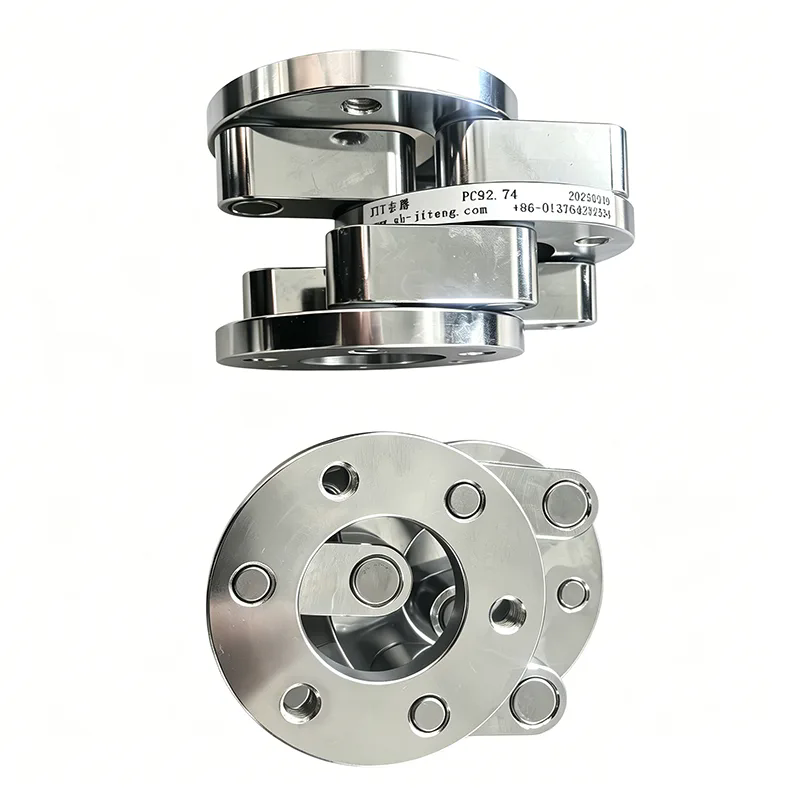
This article explains how Industrial Coupling works, why it is essential for industrial applications, what challenges engineers commonly face when selecting couplings, and how Shanghai Jiteng provides reliable coupling solutions designed for demanding working environments.
Table of Contents
- 1. What Is Industrial Coupling and Why Is It Important?
- 2. How Does Industrial Coupling Work in Mechanical Systems?
- 3. What Problems Can Industrial Coupling Solve?
- 4. Key Types of Industrial Coupling for Different Applications
- 5. How to Choose the Right Industrial Coupling?
- 6. Advantages of Using Industrial Coupling from Shanghai Jiteng
- 7. Maintenance Tips to Extend Industrial Coupling Service Life
- 8. Frequently Asked Questions About Industrial Coupling
1. What Is Industrial Coupling and Why Is It Important?
Industrial Coupling is a mechanical component designed to connect two shafts and transfer power from one rotating machine to another. It is widely used between motors, gearboxes, pumps, compressors, generators, and other industrial equipment.
In a typical industrial system, the driving shaft generates rotational power while the driven shaft receives this power to perform mechanical work. However, even precisely manufactured machines may experience shaft misalignment, vibration, shock loads, and thermal expansion. Without a suitable coupling, these issues can accelerate equipment wear and cause unexpected downtime.
A high-quality Industrial Coupling provides several important functions:
- Efficient torque transmission between connected shafts.
- Compensation for angular, parallel, and axial misalignment.
- Reduction of vibration and mechanical impact.
- Protection of expensive machinery components.
- Improvement of overall system reliability.
For industries where continuous operation is essential, selecting a dependable coupling is not simply a component choice but an important investment in equipment performance.
2. How Does Industrial Coupling Work in Mechanical Systems?
The working principle of Industrial Coupling is based on connecting two rotating shafts while allowing controlled movement between them. When the motor shaft rotates, the coupling transfers the generated torque to the connected equipment shaft.
Different coupling designs achieve this through various structures and materials. Some use flexible elements to absorb vibration and compensate for alignment errors, while rigid designs focus on maximum torque transmission accuracy.
| Function | Working Principle | Industrial Benefit |
|---|---|---|
| Torque Transmission | Transfers rotational force between shafts | Maintains stable equipment operation |
| Misalignment Compensation | Allows limited shaft movement | Reduces additional mechanical stress |
| Vibration Absorption | Uses flexible components to reduce impact | Protects bearings and connected equipment |
| Shock Load Protection | Buffers sudden changes in operating conditions | Extends machinery lifespan |
The correct Industrial Coupling design helps create a balanced transmission system where power transfer remains smooth even under challenging industrial conditions.
3. What Problems Can Industrial Coupling Solve?
Industrial equipment often operates under high loads, continuous working cycles, and complex environmental conditions. These factors can create several mechanical challenges. Industrial Coupling solutions are developed to address these common problems.
- Shaft Misalignment: Even small alignment errors can increase vibration and energy consumption. Flexible couplings help compensate for installation and operational variations.
- Excessive Vibration: Vibration can damage bearings, seals, and other machine components. Proper coupling selection helps absorb unwanted vibration.
- Equipment Downtime: A failed coupling may stop an entire production line. Durable coupling designs improve operational continuity.
- High Maintenance Costs: Reliable couplings reduce frequent replacement requirements and lower long-term maintenance expenses.
By solving these challenges, Industrial Coupling becomes an essential part of efficient industrial equipment management.
4. Key Types of Industrial Coupling for Different Applications
Industrial applications require different coupling structures depending on operating conditions, torque requirements, and environmental factors. Understanding the differences helps engineers select the most suitable solution.
| Coupling Type | Main Features | Typical Applications |
|---|---|---|
| Flexible Coupling | Absorbs vibration and compensates for misalignment | Pumps, motors, compressors |
| Rigid Coupling | Provides accurate shaft connection | Precision transmission systems |
| Gear Coupling | Handles high torque and heavy loads | Heavy machinery and industrial equipment |
| Disc Coupling | Offers high speed and precision performance | Turbines and high-speed systems |
Choosing the wrong coupling type may result in excessive wear, reduced efficiency, and frequent maintenance problems. Therefore, engineers need to evaluate operating conditions before making a final decision.
5. How to Choose the Right Industrial Coupling?
Selecting an Industrial Coupling requires consideration of multiple technical factors. A suitable coupling should match the equipment requirements and operating environment.
- Determine Torque Requirements: The coupling must handle the maximum operating torque without deformation or failure.
- Check Shaft Size and Speed: Shaft diameter and rotational speed influence coupling structure selection.
- Evaluate Misalignment Conditions: Systems with frequent movement require flexible coupling solutions.
- Consider Environmental Conditions: Temperature, moisture, dust, and chemical exposure may affect material selection.
- Analyze Maintenance Requirements: Easy installation and inspection can reduce operational interruptions.
Professional manufacturers can provide technical guidance to ensure the coupling matches the actual working conditions.
6. Advantages of Using Industrial Coupling from Shanghai Jiteng
Shanghai Jiteng focuses on providing dependable transmission components for industrial applications. The company develops Industrial Coupling solutions with attention to durability, performance stability, and practical application requirements.
Customers choose Shanghai Jiteng Industrial Coupling products because they offer:
- Reliable Power Transmission: Designed to maintain stable torque transfer during continuous operation.
- Strong Adaptability: Suitable for different industrial equipment and working environments.
- Durable Construction: Manufactured to withstand demanding mechanical loads.
- Application Support: Professional assistance helps customers select suitable coupling solutions.
With practical experience and manufacturing expertise, Shanghai Jiteng helps industries improve equipment reliability and achieve smoother mechanical operation.
7. Maintenance Tips to Extend Industrial Coupling Service Life
Proper maintenance is essential for maximizing the performance and lifespan of Industrial Coupling. Regular inspection can identify potential issues before they become major failures.
- Check alignment regularly to prevent excessive mechanical stress.
- Inspect coupling components for cracks, deformation, or unusual wear.
- Monitor vibration levels during equipment operation.
- Follow recommended installation and lubrication requirements.
- Replace damaged components promptly to avoid secondary equipment damage.
A proactive maintenance strategy improves safety, reduces downtime, and ensures stable production performance.
8. Frequently Asked Questions About Industrial Coupling
Q1: What is the main purpose of Industrial Coupling?
Industrial Coupling connects rotating shafts, transfers torque, compensates for misalignment, and helps protect mechanical equipment from vibration and shock loads.
Q2: How do I know which Industrial Coupling is suitable for my equipment?
Selection depends on factors including torque capacity, shaft size, speed, alignment conditions, and operating environment.
Q3: Can Industrial Coupling reduce equipment vibration?
Yes. Flexible coupling designs can absorb vibration and reduce the impact transferred between connected machines.
Q4: Why is coupling quality important for industrial machinery?
A reliable coupling improves transmission efficiency, reduces maintenance requirements, and helps prevent unexpected equipment failures.
Q5: What industries commonly use Industrial Coupling?
Industrial Coupling is widely used in manufacturing, energy, mining, marine equipment, chemical processing, automation systems, and other industrial fields.
Conclusion
Industrial Coupling is a key component for achieving efficient, stable, and reliable mechanical transmission. By selecting the right coupling design, companies can reduce equipment stress, improve operational efficiency, and extend machinery service life.
Shanghai Jiteng provides professional Industrial Coupling solutions designed for various industrial applications. If you need reliable coupling products with strong performance and application support, please contact us for more information and customized solutions.
Contact us today to explore high-quality Industrial Coupling solutions from Shanghai Jiteng and improve your industrial transmission performance.
