How does Hydraulic Horizontal Baler work?
2026-04-21
Article Summary
The Hydraulic Horizontal Baler is a critical machine in modern waste management and recycling industries, designed to compress large volumes of recyclable materials into compact, manageable bales. This article explains its working principle, structure, applications, benefits, and selection criteria in detail. It is intended to help businesses improve efficiency, reduce operational costs, and optimize material handling processes.
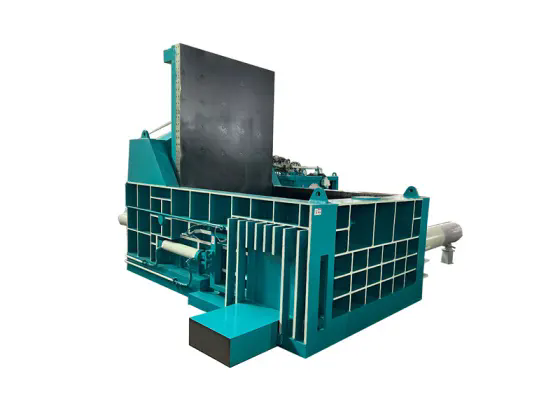
Table of Contents
- Outline Overview
- What is a Hydraulic Horizontal Baler?
- How It Works
- Key Components
- Industrial Applications
- Main Benefits
- How to Choose the Right Model
- Maintenance Guidelines
- Common Problems & Solutions
- FAQ
Outline Overview
- Definition and function of Hydraulic Horizontal Baler
- Step-by-step working mechanism
- Main hydraulic and mechanical components
- Use cases across industries
- Operational advantages and cost efficiency
- Selection and purchasing considerations
- Maintenance and troubleshooting
What is a Hydraulic Horizontal Baler?
A Hydraulic Horizontal Baler is an industrial-grade compression machine designed to process recyclable waste materials such as cardboard, paper, plastic films, textiles, and light metals. Unlike vertical balers, horizontal balers operate continuously and are more suitable for high-volume operations.
The machine uses a hydraulic system to generate high compressive force, reducing bulky waste into dense, stackable bales. These bales are easier to transport, store, and sell to recycling facilities, improving overall operational efficiency.
How It Works
The working process of a Hydraulic Horizontal Baler can be divided into several systematic stages:
- Material Feeding: Waste materials are fed into the hopper manually or via conveyor belt.
- Compression Phase: Hydraulic cylinders activate, pushing a ram horizontally to compress the material.
- Pressure Build-Up: Continuous hydraulic pressure ensures dense compaction.
- Bale Formation: Once the chamber is full, the compressed material forms a solid block.
- Tying & Ejection: Steel wires or straps secure the bale before automatic ejection.
This automated cycle significantly reduces manual labor and increases throughput in recycling operations.
Key Components
- Hydraulic Pump: Generates pressure required for compression.
- Main Cylinder: Drives the ram forward to compress materials.
- Control System: Manages automatic or semi-automatic operation.
- Compression Chamber: Area where materials are compacted.
- Bale Ejector: Pushes finished bales out of the machine.
- Feeding Conveyor: Ensures continuous material supply.
Industrial Applications
Hydraulic Horizontal Balers are widely used across multiple industries due to their efficiency and scalability:
- Recycling plants for paper and cardboard processing
- Plastic manufacturing waste management
- Logistics and warehousing centers
- Retail distribution hubs
- Textile waste compression facilities
- Municipal solid waste management systems
Main Benefits
- High Efficiency: Continuous operation reduces downtime.
- Space Saving: Compresses bulky waste into compact bales.
- Cost Reduction: Lower transportation and storage costs.
- Automation: Reduces dependency on manual labor.
- Environmental Impact: Supports recycling and waste reduction.
How to Choose the Right Model
Selecting the right Hydraulic Horizontal Baler depends on several operational factors:
| Factor | Description |
|---|---|
| Material Type | Paper, plastic, metal or mixed waste |
| Capacity Requirement | Daily or hourly processing volume |
| Automation Level | Manual, semi-automatic, or fully automatic |
| Space Availability | Installation area and layout constraints |
| Budget | Initial investment vs operational savings |
For reference product structures and configurations, you may explore: Hydraulic Horizontal Baler Product Page
Maintenance Guidelines
Proper maintenance ensures long-term stability and performance of the machine:
- Regular inspection of hydraulic oil levels
- Lubrication of moving components
- Checking seals and hoses for leaks
- Cleaning compression chamber regularly
- Monitoring electrical control systems
Preventive maintenance significantly reduces downtime and extends machine lifespan.
Common Problems & Solutions
| Issue | Possible Cause | Solution |
|---|---|---|
| Low Compression Force | Hydraulic oil leakage | Inspect seals and refill oil |
| Machine Jamming | Overloaded chamber | Reduce feeding volume |
| Slow Cycle Time | Worn hydraulic pump | Replace or repair pump |
FAQ
What materials can a Hydraulic Horizontal Baler process?
It can process cardboard, paper, plastics, textiles, and light metal scrap, depending on machine configuration.
Is it suitable for small businesses?
Yes, smaller models are available for moderate waste volumes, while large systems serve industrial-scale operations.
How long does a baling cycle take?
Typically between 30 seconds and several minutes depending on material density and machine power.
Does it require skilled operators?
Basic training is sufficient for most semi-automatic and automatic systems.
Final Thoughts
A Hydraulic Horizontal Baler is not just a machine but a long-term investment in operational efficiency and sustainability. It streamlines waste management, reduces logistics costs, and enhances recycling output quality. Choosing the right system ensures consistent performance and long-term value.
ECOHYDRAULIC delivers advanced engineering solutions in hydraulic baling systems designed for industrial efficiency and durability. If you are looking to upgrade your waste handling process or require a customized solution, contact us today to explore how ECOHYDRAULIC can support your business growth.