How Does High-Pressure Die Casting Impact the Mechanical Properties of a Finished Part
2026-01-30
At BSD, we understand that selecting the right manufacturing process is critical to achieving the desired performance in a component. High-Pressure Die Casting (HPDC) is renowned for its efficiency and complexity, but its profound impact on the mechanical properties of a finished part is what truly defines its application in demanding industries. This process directly influences strength, integrity, and durability.
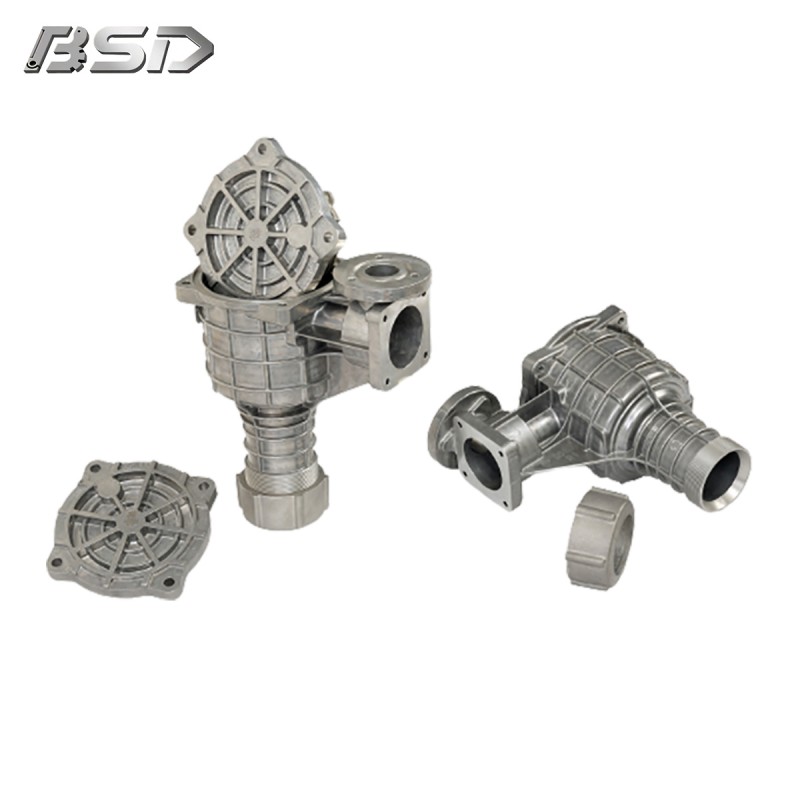
The mechanical properties are fundamentally shaped during the casting process. Key factors include:
-
Metal Integrity: Rapid cooling under high pressure yields a fine-grained surface structure, enhancing hardness and wear resistance.
-
Internal Soundness: Properly controlled parameters minimize porosity, leading to better tensile strength and pressure tightness.
-
Dimensional Consistency: High precision ensures uniform wall thickness and geometry, contributing to predictable load-bearing performance.
The following table contrasts the typical mechanical outcomes of optimal versus sub-optimal High-Pressure Die Casting practice:
| Mechanical Property | Impact from Optimal HPDC at BSD | Risk from Sub-Optimal Process |
|---|---|---|
| Tensile Strength | High and consistent due to dense microstructure. | Reduced by internal voids and porosity. |
| Elongation (Ductility) | Can be optimized within process limits for the alloy. | Often significantly lowered by brittle phases and defects. |
| Fatigue Life | Excellent, supported by part consolidation and density. | Compromised by porosity acting as stress concentration points. |
| Surface Hardness | High and uniform, providing good wear resistance. | Can be inconsistent due to variable cooling rates. |
High-Pressure Die Casting FAQ
What is the biggest factor affecting strength in a die casting?
The single biggest factor is internal porosity. At BSD, we control this through advanced vacuum-assisted systems and precise parameter management to ensure a dense, reliable part structure that meets stringent mechanical specifications.
Can heat treatment be used on High-Pressure Die Casting parts to improve properties?
Traditional solution heat treatment is often unsuitable due to the risk of blistering from trapped gases. However, at BSD, we utilize specialized thermal processes like aging (T5 temper) to enhance stability and strength without compromising the part's integrity.
How does wall design influence the final part's performance?
Uniform wall thickness is paramount. It ensures consistent flow and solidification, preventing defects like cold shuts or sinks that create weak points. BSD's engineering team specializes in designing for manufacturability to achieve optimal mechanical performance.
Mastering the variables of High-Pressure Die Casting is essential to unlock the full mechanical potential of aluminum or magnesium alloys. It requires not just advanced equipment, but deep expertise in process science to translate design intent into a robust, high-performance component. At BSD, we integrate this expertise at every stage, from simulation to production, to deliver parts that excel in strength, consistency, and reliability.
Contact us today to discuss how BSD's High-Pressure Die Casting expertise can optimize the mechanical properties for your specific application.