How Does Casting Processing Deliver Consistent Quality and Cost Control in Industrial Manufacturing?
2026-02-06
Article Abstract
Casting processing remains one of the most critical manufacturing methods for producing complex metal components at scale. However, many buyers face recurring challenges such as inconsistent quality, high defect rates, long lead times, and limited material flexibility. This article provides a structured and practical explanation of how casting processing works, why it solves common manufacturing pain points, and how professional execution ensures durability, dimensional accuracy, and stable supply. By understanding materials, workflows, quality control methods, and application scenarios, decision-makers can select reliable casting solutions with greater confidence.
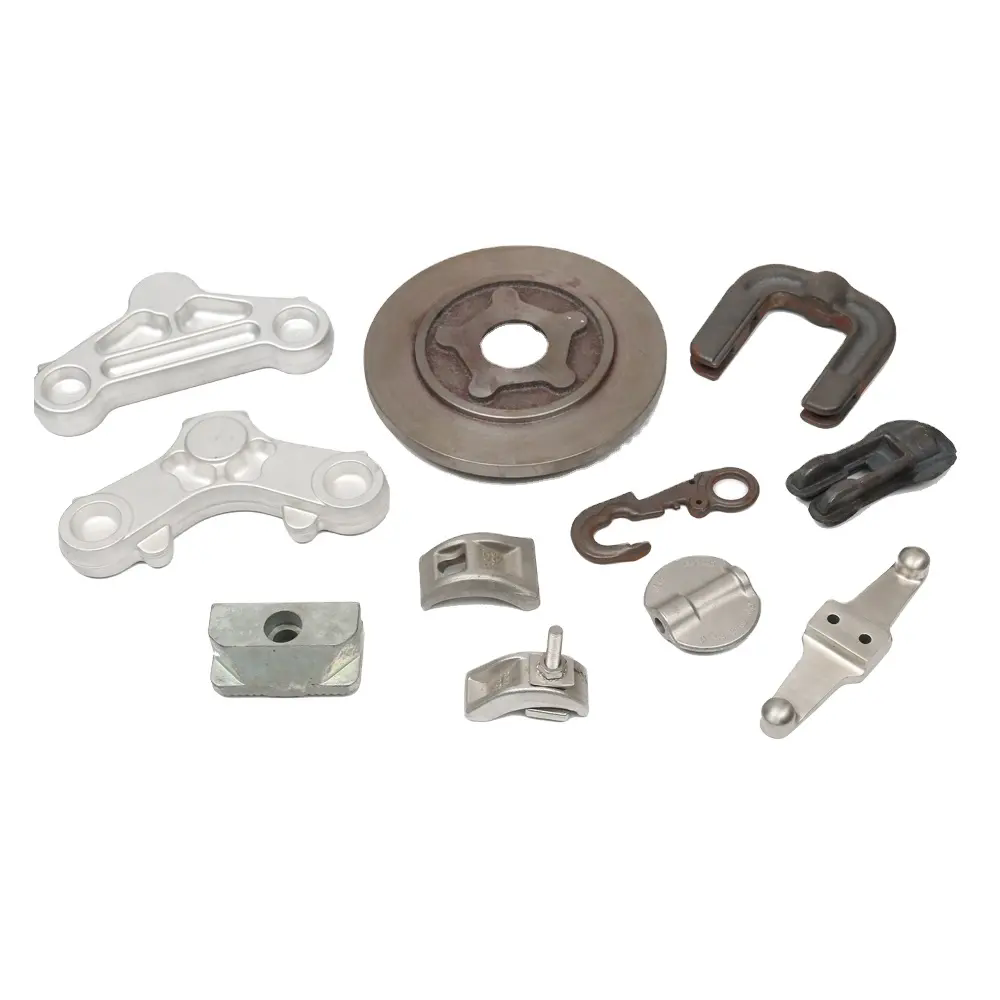
Table of Contents
- Article Outline
- What Is Casting Processing?
- Key Customer Pain Points in Casting Projects
- Standard Casting Processing Workflow
- Common Materials Used in Casting Processing
- Quality Control in Casting Processing
- Industrial Applications of Casting Processing
- Casting vs Other Manufacturing Methods
- Frequently Asked Questions
- Conclusion and Cooperation Opportunity
Article Outline
- Core principles and value of casting processing
- Typical risks buyers encounter and how they are addressed
- Step-by-step breakdown of the casting workflow
- Material selection and performance considerations
- Inspection, testing, and consistency assurance
- Real-world industrial usage scenarios
What Is Casting Processing?
Casting processing is a manufacturing technique in which molten metal is poured into a pre-designed mold and allowed to solidify into a specific shape. Once cooled, the casting is removed and finished through machining or surface treatment as required. This method enables the production of components with complex geometries that would be difficult or uneconomical to achieve through forging or machining alone.
From small precision parts to large structural components, casting processing supports high-volume production while maintaining repeatability. It is widely adopted across automotive, energy, construction, agricultural machinery, and general industrial equipment sectors.
Key Customer Pain Points in Casting Projects
Buyers sourcing cast components often encounter recurring challenges that impact cost, performance, and delivery schedules. Understanding these issues is the first step toward selecting a capable casting partner.
- Dimensional inconsistency: Poor mold design or unstable pouring processes can lead to tolerance issues.
- Internal defects: Porosity, shrinkage, and inclusions may compromise mechanical strength.
- Material mismatch: Incorrect alloy selection can result in premature wear or corrosion.
- Extended lead times: Inefficient production planning delays project timelines.
- Limited process transparency: Lack of clear documentation makes quality verification difficult.
Professional casting processing directly addresses these concerns through standardized workflows, controlled environments, and documented inspection procedures.
Standard Casting Processing Workflow
A reliable casting operation follows a clearly defined production sequence to ensure consistency and repeatability. The following table outlines the typical workflow:
| Stage | Description |
|---|---|
| Pattern Design | Creation of molds based on drawings and functional requirements |
| Mold Preparation | Sand, shell, or metal molds prepared to precise specifications |
| Metal Melting | Raw materials melted under controlled temperature conditions |
| Pouring | Molten metal poured into molds with monitored flow rates |
| Cooling & Solidification | Controlled cooling to minimize internal stress and deformation |
| Finishing | Cleaning, machining, and surface treatment as required |
Common Materials Used in Casting Processing
Material selection plays a decisive role in product performance. Casting processing supports a wide range of alloys, each suited to specific operating environments.
- Gray iron: Cost-effective with excellent vibration damping
- Ductile iron: High strength and impact resistance
- Carbon steel: Balanced mechanical properties for structural parts
- Alloy steel: Enhanced wear, heat, or corrosion resistance
- Stainless steel: Suitable for corrosive or hygienic environments
Experienced manufacturers such as Jinggang evaluate load conditions, temperature exposure, and lifecycle expectations to recommend suitable materials for each application.
Quality Control in Casting Processing
Consistent quality is achieved through layered inspection and testing methods integrated throughout the production cycle. These measures reduce defect rates and ensure compliance with technical specifications.
- Chemical composition analysis before pouring
- Dimensional inspection after solidification
- Non-destructive testing for internal defects
- Mechanical property testing for strength verification
- Final visual and surface quality checks
This structured approach ensures that cast components meet performance expectations before delivery.
Industrial Applications of Casting Processing
Casting processing supports diverse industries where reliability and scalability are essential:
- Automotive engine housings and transmission components
- Construction machinery frames and joints
- Energy equipment casings and structural parts
- Agricultural machinery components
- General industrial equipment bases and supports
Casting vs Other Manufacturing Methods
Compared with machining from solid blocks or forging, casting processing offers distinct advantages:
- Greater design freedom for complex shapes
- Lower material waste
- Cost efficiency for medium to large batch production
- Scalability for long-term supply programs
Frequently Asked Questions
-
Is casting processing suitable for high-strength parts?
Yes, with proper alloy selection and process control, cast components can meet demanding strength requirements. -
How are defects minimized during casting?
Through optimized mold design, controlled pouring, and systematic inspection procedures. -
Can casting processing support custom designs?
Custom molds and patterns allow full adaptation to project-specific drawings and specifications.
Conclusion and Cooperation Opportunity
Casting processing remains a cornerstone of modern manufacturing, offering a balanced solution for complexity, cost control, and production stability. When executed by experienced manufacturers like Jinggang, it delivers consistent performance across diverse industrial applications.
For businesses seeking reliable casting solutions, technical consultation, and stable long-term supply, now is the ideal time to contact us to discuss project requirements and explore customized casting processing services tailored to your needs.