How Does Bearing Design Affect the Performance and Lifespan of a Turbocharger
2026-02-11
The heart of forced induction lies in the turbocharger, a component that lives in one of the most punishing environments in an engine. At the very core of its high-speed operation are its bearings. The design of these turbocharger bearings is not a minor detail; it is the fundamental engineering choice that dictates power delivery, response time, and overall durability. At BMT, we specialize in precision turbo components and understand that the bearing system is the critical link between harnessing exhaust energy and delivering reliable boost.
The bearing assembly must support the turbine shaft, which can spin at over 200,000 RPM, with minimal friction and extreme thermal stability. The two primary design philosophies are traditional journal bearings and modern ball bearings (cartridges).
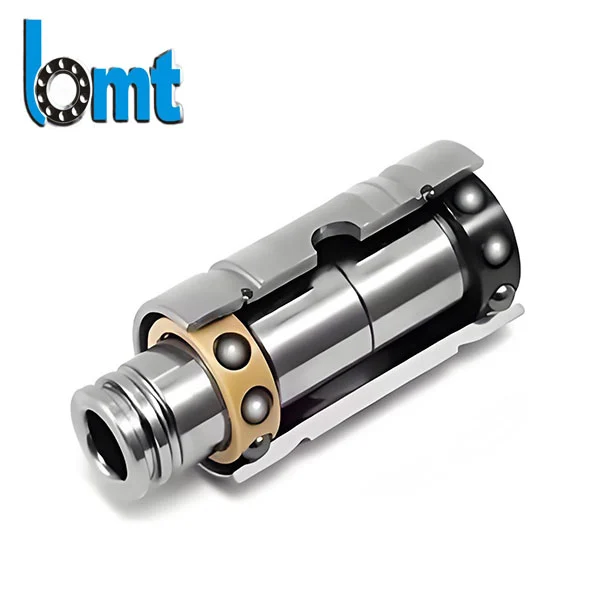
Key Impacts of Bearing Design:
-
Performance (Response & Power):
-
Friction: Lower friction allows for faster spool-up, reducing turbo lag.
-
Oil Demand: Efficient designs require less oil pressure, stabilizing performance under high stress.
-
-
Lifespan (Durability & Reliability):
-
Heat Tolerance: Materials must withstand temperatures exceeding 150°C.
-
Load Capacity: Must handle radial and axial (thrust) forces from boost and exhaust pressures.
-
Oil Contamination Resistance: Robust designs better tolerate inevitable minor contaminants.
-
Comparison of Bearing Systems
| Feature | Journal Bearing System | Ball Bearing Cartridge |
|---|---|---|
| Friction | Higher (hydrodynamic oil film) | Lower (precision rolling elements) |
| Spool-up Time | Slower | Faster |
| Oil Pressure Demand | Higher, more critical | Less sensitive |
| Durability | Good with perfect oil supply | Excellent, more forgiving |
| Cost | Typically lower | Higher, performance-oriented |
Turbocharger Bearings FAQ
What is the main advantage of a ball bearing turbocharger?
The primary advantage is significantly reduced rotational friction, which translates to faster turbine spool-up, lower boost threshold (reducing turbo lag), and marginally improved peak power efficiency compared to traditional journal bearings.
Can I upgrade my turbocharger from journal to ball bearings?
This is a complex procedure typically requiring a specialized ball bearing cartridge designed for your specific turbocharger model and expert machining. It is not a direct swap and is best performed by a specialist like BMT to ensure perfect balance and clearances.
What is the most common cause of turbocharger bearing failure?
The overwhelming cause is oil-related issues. This includes insufficient oil supply (starving the bearings), oil degradation/contamination (acting as an abrasive), and "coking" where hot oil carbonizes inside the bearing housing after shutdown, blocking critical oil passages.
In summary, the bearing design is a decisive factor in your turbocharger's character. Choosing the right system—whether a robust journal setup or a high-response ball bearing cartridge—depends on your application goals and maintenance discipline. BMT provides the technical expertise and precision components to ensure your forced induction system is built for both peak performance and longevity.
Contact us today to discuss your project and let our engineers help you select the optimal bearing technology for your turbocharger build.