How Does an Oil Filter Wrench Improve Maintenance Efficiency?
2026-01-30
Article Summary
An oil filter wrench is a specialized tool designed to remove and install oil filters safely and efficiently. In automotive repair, industrial equipment servicing, and routine vehicle maintenance, oil filters often become overtightened or difficult to access. This article explains how an oil filter wrench works, the main types available, key product parameters, and how it addresses common maintenance challenges. Practical guidance is provided to help users select the correct tool and apply it correctly for consistent, damage-free results.
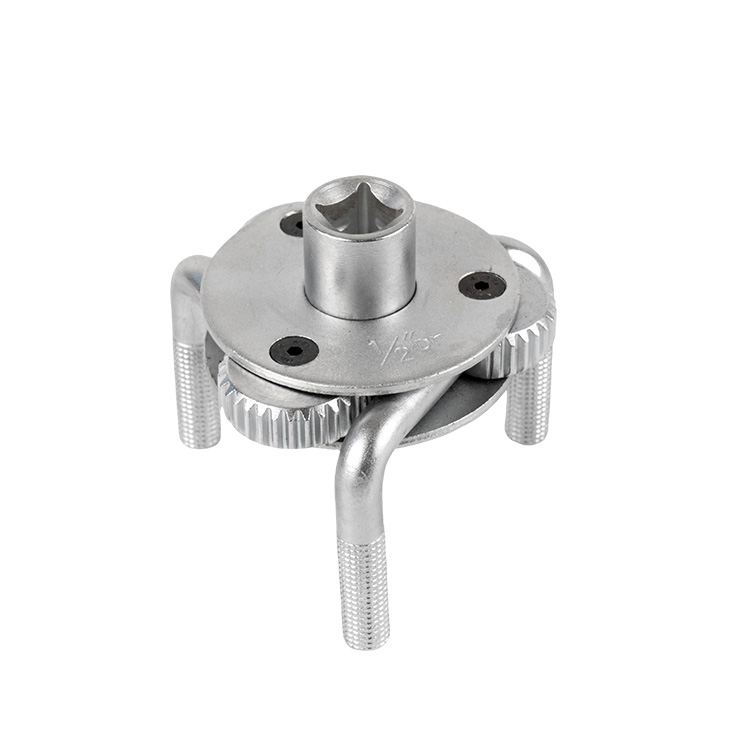
Table of Contents
- Article Outline
- Introduction to Oil Filter Wrenches
- Common Problems in Oil Filter Removal
- Main Types of Oil Filter Wrenches
- Key Product Parameters
- How an Oil Filter Wrench Is Used Correctly
- Application Scenarios
- Frequently Asked Questions
- Conclusion and Contact Us
Article Outline
- Basic definition and working principle
- User pain points during oil filter maintenance
- Structural and functional differences between wrench types
- Technical parameters and compatibility considerations
- Best practices for safe and efficient use
- Typical use cases in automotive and industrial fields
Introduction to Oil Filter Wrenches
An oil filter wrench is a hand tool engineered to grip, loosen, or tighten oil filters that are otherwise difficult to handle by hand. During engine operation, oil filters are exposed to heat, pressure, and vibration. Over time, this environment causes filters to bind tightly to the engine block, making manual removal inefficient or even impossible.
The primary purpose of an oil filter wrench is to apply controlled torque around the filter housing without crushing or puncturing it. By improving leverage and grip, the tool reduces maintenance time, prevents hand injuries, and minimizes the risk of damaging surrounding components. For both professional technicians and individual vehicle owners, this tool plays a critical role in routine oil changes.
Common Problems in Oil Filter Removal
Oil filter maintenance often presents recurring challenges, particularly when the correct tool is not used. These issues directly affect efficiency, safety, and overall service quality.
- Overtightened filters caused by heat expansion and improper installation
- Limited space around the filter, restricting hand movement
- Slippery surfaces due to residual oil
- Risk of filter deformation or rupture when using improper tools
- Inconsistent torque application leading to leaks or sealing failure
An oil filter wrench addresses these problems by distributing force evenly around the filter, maintaining grip even on smooth or oily surfaces, and allowing access in confined engine compartments.
Main Types of Oil Filter Wrenches
Oil filter wrenches are available in multiple designs, each optimized for specific filter sizes, installation angles, and working conditions. Understanding these types helps users select a tool that matches their maintenance requirements.
- Cap-Type Wrench: Fits directly over the end of the filter and is typically used with a ratchet or torque wrench. Ideal for filters with consistent dimensions.
- Strap Wrench: Uses a flexible strap to grip the filter body, suitable for a wide range of sizes and irregular shapes.
- Chain Wrench: Employs a metal chain for high-torque applications, commonly used in heavy-duty or industrial settings.
- Claw or Three-Jaw Wrench: Automatically adjusts to the filter size as torque is applied, offering versatility and strong grip.
Manufacturers such as Saker provide oil filter wrench solutions designed to balance durability, adaptability, and ease of use across different vehicle platforms.
Key Product Parameters
Technical specifications play a critical role in determining tool compatibility and performance. The following table outlines common parameters evaluated when selecting an oil filter wrench.
| Parameter | Description |
|---|---|
| Compatible Filter Diameter | Defines the minimum and maximum oil filter sizes the wrench can handle |
| Drive Size | Commonly 3/8 inch or 1/2 inch, matching standard ratchet tools |
| Material | Hardened steel, aluminum alloy, or reinforced composite |
| Torque Capacity | Maximum torque the wrench can withstand without deformation |
| Surface Treatment | Coatings applied to enhance corrosion resistance and grip |
How an Oil Filter Wrench Is Used Correctly
Correct usage ensures both safety and performance. Before removal, the engine should be turned off and allowed to cool. The wrench is then positioned around the oil filter, ensuring full contact with the filter surface.
Torque is applied gradually, avoiding sudden force that could cause slippage. Once loosened, the filter can typically be removed by hand. During installation, the wrench may also be used to apply controlled tightening, ensuring proper sealing without overtightening.
This controlled approach reduces thread damage, maintains gasket integrity, and supports consistent oil system performance.
Application Scenarios
Oil filter wrenches are widely used across multiple sectors due to their adaptability and reliability.
- Passenger vehicle oil changes
- Commercial fleet maintenance
- Motorcycle and small engine servicing
- Construction and agricultural equipment
- Industrial machinery lubrication systems
In professional environments, the tool contributes to standardized maintenance procedures and reduced service time, while individual users benefit from safer and more manageable oil changes.
Frequently Asked Questions
What size oil filter wrench is needed for different vehicles?
The required size depends on the oil filter diameter specified by the engine manufacturer. Adjustable or multi-size designs are often preferred for users servicing multiple vehicles.
Can an oil filter wrench damage the filter or engine?
When used correctly, an oil filter wrench minimizes damage by distributing force evenly. Damage typically occurs when excessive torque or incorrect tool alignment is applied.
Is an oil filter wrench necessary for every oil change?
While some filters can be removed by hand, a wrench is recommended to handle overtightened filters and to ensure consistent installation torque, especially in professional or high-frequency maintenance scenarios.
Conclusion and Contact Us
An oil filter wrench is a practical and essential tool for efficient engine maintenance. By addressing common removal challenges, improving safety, and supporting consistent installation, it enhances both service quality and operational reliability. Selecting a well-designed wrench from a trusted supplier ensures long-term performance and compatibility across applications.
Saker offers professionally engineered oil filter wrench solutions designed to meet the demands of both individual users and industrial maintenance environments. For detailed product information, specifications, or purchasing guidance, contact us today to discuss your requirements and find the right solution for your maintenance needs.