Article Summary
The idler wheel is a critical component in an excavator undercarriage system, directly affecting track stability, machine control, and operating efficiency. When an idler wheel wears out or fails, operators may experience track looseness, abnormal vibration, uneven wear, and increased maintenance costs. Understanding how an idler wheel works, how to select the right replacement, and how to maintain it properly can significantly extend excavator service life.
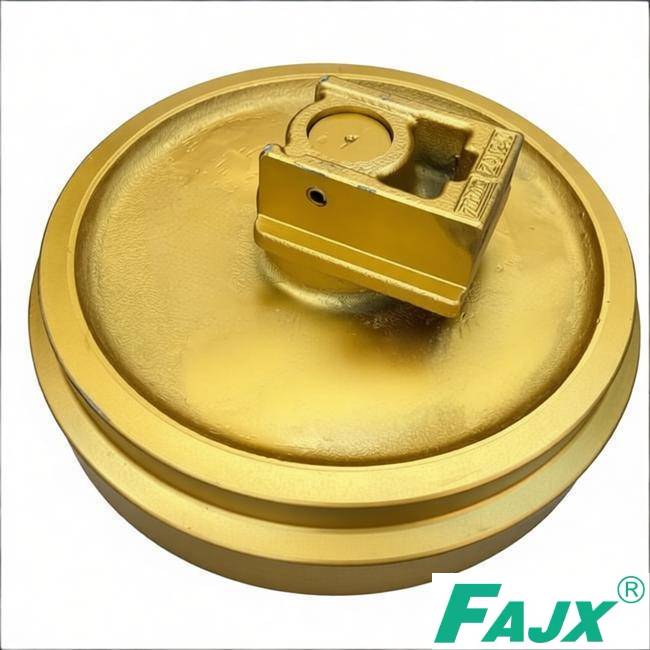
This article explains the working principle, key functions, common problems, replacement considerations, and maintenance methods of idler wheels. It also introduces how professional manufacturers such as Quanzhou Qiansheng Heavy Industry Machinery Co., Ltd. provide reliable undercarriage solutions designed to meet different excavator operating requirements.
Article Outline
-
Understanding the function and structure of an idler wheel
-
The relationship between idler wheels and excavator operating efficiency
-
Common failure signs and solutions
-
Selection factors for different working environments
-
Maintenance practices for reducing downtime
-
Professional undercarriage support from experienced manufacturers
How Does an Idler Wheel Work in an Excavator Undercarriage?
An idler wheel is located at the front section of an excavator undercarriage and works together with track chains, rollers, sprockets, and track adjusters to maintain proper track movement. Unlike a drive sprocket that transfers power from the final drive, the idler wheel mainly guides the track assembly and helps maintain correct tension.
During operation, the excavator constantly experiences impact forces caused by uneven terrain, heavy loads, and frequent direction changes. The idler wheel absorbs part of these forces while guiding the track chain smoothly around the undercarriage frame. A properly functioning idler wheel reduces unnecessary movement between components and helps prevent premature track wear.
The internal structure usually includes a wheel body, shaft, bushings, sealing system, and lubrication chamber. High-quality idler wheels are manufactured with wear-resistant materials and precision machining technology to ensure stable performance under demanding construction conditions.
For heavy equipment owners, choosing a durable idler wheel is not only about replacing a damaged part. It is about maintaining the complete balance of the undercarriage system and protecting other expensive components from accelerated wear.
Why Is an Idler Wheel Important for Excavator Performance?
Many operators focus on engines, hydraulic systems, and attachments when considering excavator efficiency. However, the undercarriage system often determines how effectively the machine transfers power to the ground. The idler wheel plays several important roles in maintaining overall performance.
|
Function
|
Impact on Excavator Operation
|
|
Track Guidance
|
Keeps the track chain moving in the correct direction and prevents track deviation.
|
|
Track Tension Control
|
Works with the tensioning system to maintain suitable track adjustment.
|
|
Shock Absorption
|
Helps reduce impact from rough terrain and heavy working conditions.
|
|
Component Protection
|
Reduces stress on track links, rollers, and other undercarriage parts.
|
|
Operating Stability
|
Improves machine balance and movement accuracy.
|
A worn idler wheel can influence the entire undercarriage system. Even if the excavator engine and hydraulic components remain in good condition, poor track performance can reduce productivity and increase operating expenses.
Professional manufacturers understand that undercarriage components must work as a complete system. Quanzhou Qiansheng Heavy Industry Machinery Co., Ltd. focuses on producing reliable excavator undercarriage parts that support long-term machine performance in construction, mining, and earthmoving applications.
What Problems Can a Damaged Idler Wheel Cause?
Because an idler wheel operates under continuous pressure and friction, it naturally experiences wear over time. Identifying early warning signs can help prevent expensive repairs and unexpected equipment downtime.
-
Track Loosening: A damaged idler wheel may affect track tension, causing excessive track movement during operation.
-
Abnormal Noise: Grinding sounds, knocking noises, or unusual vibration may indicate internal wear or insufficient lubrication.
-
Uneven Track Wear: Poor wheel alignment can create uneven pressure on track components.
-
Reduced Travel Stability: Excavators may become difficult to control, especially when working on slopes or rough surfaces.
-
Increased Maintenance Costs: Continued operation with a damaged idler wheel can accelerate wear of other undercarriage components.
Ignoring these problems often leads to larger failures. Replacing a worn idler wheel at the right time is usually more economical than repairing multiple damaged undercarriage components later.
How to Choose the Right Idler Wheel for Excavators?
Selecting a suitable idler wheel requires more consideration than simply matching the excavator model. Different machines operate under different working conditions, and the correct component must provide reliable performance according to load requirements, terrain conditions, and operating frequency.
A high-quality idler wheel should have excellent wear resistance, structural strength, and sealing performance. Before purchasing a replacement, equipment owners should evaluate several important factors.
|
Selection Factor
|
Why It Matters
|
|
Excavator Model Compatibility
|
The idler wheel must match the machine size, track system, and mounting specifications to ensure proper installation.
|
|
Material Quality
|
Strong alloy materials and advanced heat treatment improve resistance against impact and abrasion.
|
|
Manufacturing Precision
|
Accurate machining helps reduce vibration, misalignment, and uneven track movement.
|
|
Working Environment
|
Mining, construction, demolition, and agricultural applications may require different durability levels.
|
|
Sealing Performance
|
A reliable sealing system prevents contamination from dust, mud, and water while protecting internal components.
|
For machines operating in harsh environments, selecting a premium idler wheel can significantly reduce unexpected downtime. For example, excavators working in mines often face abrasive materials and continuous heavy loads, requiring components designed for maximum durability.
Quanzhou Qiansheng Heavy Industry Machinery Co., Ltd. develops excavator undercarriage components based on practical working requirements. By focusing on material selection, production accuracy, and quality control, the company helps customers achieve dependable performance from their heavy equipment.
What Are the Main Advantages of Using a High-Quality Idler Wheel?
The quality of an idler wheel directly influences excavator reliability. A properly manufactured component provides multiple benefits that improve productivity and reduce long-term operating costs.
-
Longer Service Life: Durable materials and advanced manufacturing processes allow the idler wheel to withstand repeated impact and friction.
-
Lower Maintenance Frequency: Reliable components reduce the need for frequent replacement and repair work.
-
Improved Track Performance: Stable track guidance improves machine movement and working accuracy.
-
Reduced Operating Costs: Preventing premature undercarriage failures helps equipment owners save repair expenses.
-
Better Adaptability: Quality idler wheels can perform effectively in various applications, including construction sites, mines, and earthmoving projects.
The undercarriage system represents a significant investment in any excavator. Choosing dependable components helps protect that investment and improves overall machine efficiency.
How to Maintain an Idler Wheel and Extend Service Life?
Regular maintenance is essential for maximizing idler wheel performance. Although idler wheels are designed for heavy-duty applications, improper operation and insufficient maintenance can shorten their service life.
|
Maintenance Practice
|
Recommended Action
|
|
Regular Inspection
|
Check for cracks, abnormal wear, oil leakage, and unusual movement during routine equipment checks.
|
|
Track Tension Adjustment
|
Maintain correct track tension to avoid excessive pressure on the idler wheel and track assembly.
|
|
Cleaning
|
Remove mud, stones, and debris that may interfere with track movement.
|
|
Lubrication Inspection
|
Ensure internal lubrication systems and seals remain effective.
|
|
Operating Control
|
Avoid unnecessary high-speed turning and excessive impact on uneven surfaces.
|
Operators should also pay attention to machine working habits. Frequent sharp turns, overloaded operation, and continuous operation on extremely rough terrain can increase stress on the undercarriage system.
A preventive maintenance approach allows operators to identify small issues before they become major failures. This not only extends idler wheel life but also protects related components such as track chains and rollers.
Idler Wheel Replacement and Performance Comparison
When replacing an idler wheel, equipment owners often need to decide between low-cost alternatives and professionally manufactured replacement parts. Understanding the differences helps make a more practical purchasing decision.
|
Comparison Item
|
Standard Low-Cost Idler Wheel
|
High-Quality Idler Wheel
|
|
Material Strength
|
May use basic materials with limited durability.
|
Uses wear-resistant materials designed for heavy-duty applications.
|
|
Service Life
|
Usually shorter under demanding working conditions.
|
Provides longer operating performance.
|
|
Precision
|
Possible dimensional differences affecting installation.
|
Accurate manufacturing improves compatibility.
|
|
Maintenance Requirement
|
May require more frequent inspection and replacement.
|
Designed for stable long-term operation.
|
|
Total Ownership Cost
|
Lower initial price but potentially higher replacement frequency.
|
Better value through reduced downtime and maintenance.
|
Although the initial purchase price is an important consideration, the overall operating cost should also be evaluated. A reliable idler wheel can reduce machine downtime and improve productivity throughout the equipment lifecycle.
Why Choose Quanzhou Qiansheng Heavy Industry Machinery Co., Ltd. for Idler Wheel Solutions?
Choosing the right supplier is essential for obtaining excavator undercarriage components with consistent quality and dependable performance. Quanzhou Qiansheng Heavy Industry Machinery Co., Ltd. specializes in heavy machinery parts and provides solutions designed for different excavator applications.
The company focuses on manufacturing components that meet practical requirements in demanding environments. Through careful material selection, production control, and attention to structural reliability, its idler wheels are developed to support stable excavator operation.
Customers looking for replacement undercarriage parts need more than just a product supplier. They need a partner who understands equipment challenges, application conditions, and long-term performance expectations.