How Does an Electrical Kettle Thermostat Improve Safety and Performance?
2026-08-18
Article Summary
An electrical kettle thermostat is one of the most important components that determines the safety, efficiency, and service life of an electric kettle. Although users mainly focus on heating speed, design, and capacity when choosing a kettle, the internal temperature control system plays a critical role in preventing overheating, dry boiling, and unnecessary energy consumption.
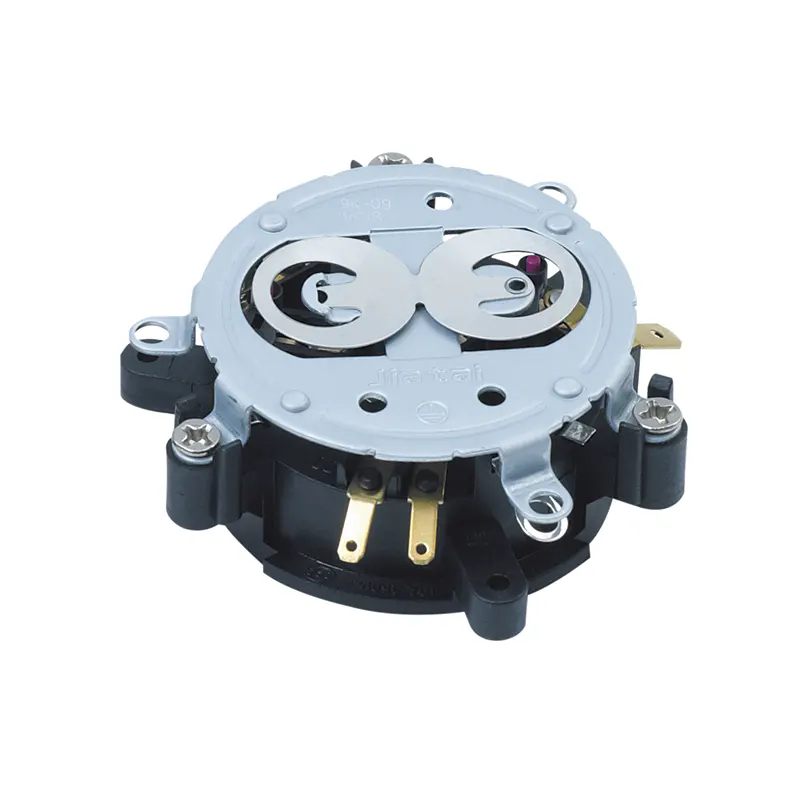
This article explains how an Electrical Kettle Thermostat works, why it matters for manufacturers and consumers, what problems can occur when choosing an unsuitable thermostat, and how professional suppliers such as JIATAI provide reliable temperature control solutions for different kettle applications.
Table of Contents
- 1. Introduction to Electrical Kettle Thermostat Technology
- 2. How Does an Electrical Kettle Thermostat Work?
- 3. Why Is a Reliable Thermostat Important for Electric Kettles?
- 4. Different Types of Electrical Kettle Thermostats
- 5. How to Choose the Right Electrical Kettle Thermostat?
- 6. Common Problems Caused by Poor Thermostat Quality
- 7. Why Choose JIATAI Electrical Kettle Thermostat Solutions?
- 8. Frequently Asked Questions
- 9. Conclusion
1. Introduction to Electrical Kettle Thermostat Technology
Modern electric kettles have become essential household appliances because they provide fast and convenient hot water preparation. However, behind the simple operation of pressing a switch and waiting for boiling water, there is a precise temperature management system working continuously.
The Electrical Kettle Thermostat acts as the intelligent control element inside the kettle. It monitors temperature changes and automatically disconnects the power supply when water reaches the required boiling point. This function not only improves user convenience but also protects the heating element and reduces safety risks.
For kettle manufacturers, selecting a dependable thermostat supplier is essential because the thermostat directly affects product reliability, customer satisfaction, and long-term market competitiveness. JIATAI specializes in electrical appliance temperature control components and provides professional thermostat solutions designed for various kettle structures and performance requirements.
2. How Does an Electrical Kettle Thermostat Work?
An Electrical Kettle Thermostat mainly operates through temperature sensing and mechanical switching technology. Most kettle thermostats use a bimetal structure, which reacts to temperature changes by bending and activating the switching mechanism.
When the kettle starts heating, electrical current flows through the thermostat to power the heating element. As the water temperature increases, steam and heat transfer trigger the thermostat sensing mechanism. Once the preset temperature point is reached, the internal contacts separate and cut off electrical power.
The basic working process includes several stages:
- Temperature Detection: The thermostat continuously senses heat generated during water heating.
- Thermal Response: The internal bimetal component changes shape according to temperature variation.
- Power Disconnection: The switch automatically interrupts current flow after boiling.
- Safety Protection: Additional protection mechanisms help reduce risks caused by overheating or dry operation.
| Working Stage | Thermostat Function |
|---|---|
| Heating Start | Allows electrical current to reach the heating element |
| Temperature Increase | Detects heat changes through sensing components |
| Boiling Point | Activates automatic power interruption |
| Cooling Period | Maintains stable operation for the next cycle |
3. Why Is a Reliable Thermostat Important for Electric Kettles?
A high-quality thermostat provides more than automatic shut-off functionality. It influences safety, energy efficiency, product durability, and user experience.
Many kettle failures are related to poor temperature control. If a thermostat cannot accurately detect temperature changes, the kettle may continue heating after boiling, causing excessive steam generation, damaged components, or potential safety hazards.
The main benefits of a reliable Electrical Kettle Thermostat include:
- Improved Safety: Automatic power interruption helps prevent overheating and dry boiling.
- Longer Product Life: Stable temperature control reduces stress on heating components.
- Lower Energy Consumption: The kettle stops operating immediately after reaching the required temperature.
- Better User Experience: Accurate switching provides reliable daily operation.
- Reduced Maintenance Costs: Durable components minimize replacement and repair requirements.
4. Different Types of Electrical Kettle Thermostats
Different kettle designs require different thermostat structures. Manufacturers usually select thermostat models according to electrical ratings, installation methods, temperature requirements, and safety standards.
| Thermostat Type | Main Features | Common Application |
|---|---|---|
| 3-Pole Electrical Kettle Thermostat | Compact design with stable switching performance | Standard electric kettles |
| 5-Pole Electrical Kettle Thermostat | Supports additional control functions | Advanced kettle systems |
| Waterproof Thermostat | Enhanced protection against moisture | High safety kettle designs |
| Smart Temperature Controller | Provides precise temperature management | Multi-function heating appliances |
JIATAI develops various thermostat solutions including different pole configurations and application-specific designs to meet different kettle manufacturing requirements. :contentReference[oaicite:0]{index=0}
5. How to Choose the Right Electrical Kettle Thermostat?
Choosing the correct thermostat requires careful evaluation of electrical performance, mechanical compatibility, and operating conditions.
Manufacturers should consider the following factors:
- Voltage and Current Rating: Ensure the thermostat matches the kettle's electrical requirements.
- Temperature Accuracy: Stable temperature control improves product reliability.
- Mechanical Compatibility: The thermostat structure must fit the kettle design.
- Operating Life: High cycle endurance is important for household appliances.
- Safety Certification: Testing standards help ensure dependable performance.
A professional supplier can provide technical support during product development, helping manufacturers select suitable thermostat solutions instead of simply choosing standard components.
6. Common Problems Caused by Poor Thermostat Quality
Using low-quality thermostat components may create several problems during production and customer use.
| Problem | Possible Cause | Impact |
|---|---|---|
| Kettle Does Not Shut Off | Incorrect temperature sensing | Safety risk and component damage |
| Early Power Cut | Temperature calibration issues | Poor heating performance |
| Short Service Life | Low-quality internal materials | Higher replacement costs |
| Unstable Operation | Poor manufacturing consistency | Reduced customer satisfaction |
7. Why Choose JIATAI Electrical Kettle Thermostat Solutions?
JIATAI has focused on electrical appliance control components for many years and provides professional thermostat manufacturing capabilities for electric kettles and other heating appliances. The company develops products with attention to precision, reliability, and application requirements.
Zhejiang Jiatai Electrical Appliance Manufacturing Co., Ltd. specializes in thermostat design, development, and production, including electric kettle thermostat solutions for different market applications. :contentReference[oaicite:1]{index=1}
The advantages of working with JIATAI include:
- Professional experience in thermostat manufacturing.
- Customized solutions according to customer product requirements.
- Strict product testing procedures for stable performance.
- Support for different kettle structures and electrical specifications.
- Reliable production capability for large-volume orders.
Through continuous improvement and technical development, JIATAI helps appliance manufacturers create safer and more efficient electric kettle products.
8. Frequently Asked Questions
Q1: What is the main function of an Electrical Kettle Thermostat?
The main function is to control temperature by automatically disconnecting power when the kettle reaches the required heating point. It also helps prevent overheating and improves appliance safety.
Q2: How long can a kettle thermostat usually work?
Service life depends on design quality, operating conditions, and usage frequency. High-quality thermostats are designed for thousands of switching cycles.
Q3: Can manufacturers customize electrical kettle thermostats?
Yes. Professional manufacturers like JIATAI can provide customized thermostat solutions based on electrical parameters, structure requirements, and application conditions.
Q4: Why does a kettle continue boiling after reaching high temperature?
This issue may be caused by thermostat failure, incorrect installation, damaged sensing components, or poor temperature calibration.
Q5: What should manufacturers check before purchasing thermostats?
Manufacturers should evaluate product quality, testing standards, technical support, production capability, and supplier experience before making a decision.
9. Conclusion
The Electrical Kettle Thermostat is a small but essential component that determines how safely and efficiently an electric kettle operates. From automatic shut-off protection to temperature accuracy, the thermostat directly influences product performance and customer satisfaction.
For manufacturers seeking dependable temperature control components, selecting an experienced supplier is a key step toward developing competitive electric kettle products. With professional manufacturing experience and customized solutions, JIATAI provides reliable thermostat options designed for modern electrical appliance requirements.
If you are looking for high-quality Electrical Kettle Thermostat solutions with professional technical support and customized service, please contact us today to discuss your requirements and build a reliable partnership with JIATAI.