

How Does an Electric Scissor Lift Improve Efficiency and Safety in Modern Worksites?
2026-04-09
Article Summary: Electric scissor lifts have become essential equipment in construction, warehousing, and maintenance operations. This article explores how these machines function, their advantages, key selection criteria, and how businesses can maximize productivity while minimizing risks. Whether you are a contractor, facility manager, or procurement specialist, this guide addresses practical challenges and delivers actionable insights.
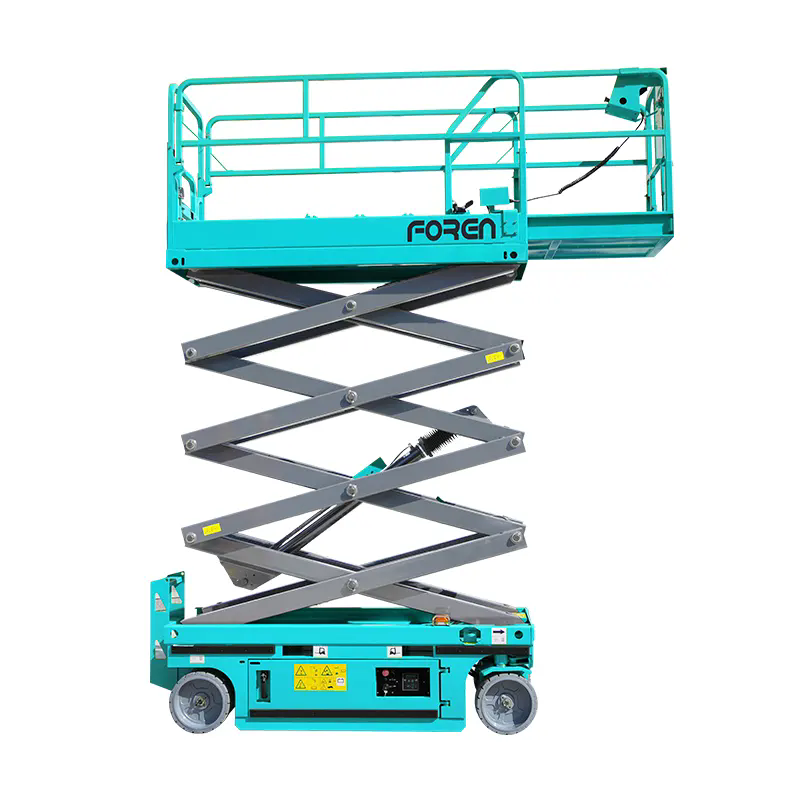
Table of Contents
- 1. What Is an Electric Scissor Lift?
- 2. How Does It Work?
- 3. Key Benefits for Businesses
- 4. Common Applications
- 5. Electric vs. Hydraulic Alternatives
- 6. How to Choose the Right Model
- 7. Safety Considerations
- 8. Maintenance Best Practices
- 9. FAQ
1. What Is an Electric Scissor Lift?
An electric scissor lift is a powered aerial work platform designed to elevate workers, tools, and materials vertically. Unlike fuel-powered alternatives, it operates using an electric motor and rechargeable batteries, making it ideal for indoor environments and emission-sensitive worksites.
The structure consists of crisscrossing supports—known as a scissor mechanism—that extend and retract to raise or lower the platform. Companies like Foren specialize in manufacturing reliable and durable models tailored for diverse operational needs.
2. How Does It Work?
The operation of an electric scissor lift is based on a straightforward mechanical principle combined with modern electrical control systems:
- Power Source: A battery supplies energy to the motor.
- Hydraulic/Electric Drive: The motor activates hydraulic cylinders or screw mechanisms.
- Scissor Mechanism: The linked supports extend vertically.
- Control System: Operators manage height and movement via intuitive controls.
This system ensures smooth, stable elevation, which is critical for precision tasks such as installation, inspection, and maintenance.
3. Key Benefits for Businesses
Electric scissor lifts solve several operational pain points that businesses commonly face:
- Zero Emissions: Suitable for indoor use without air quality concerns.
- Low Noise Levels: Ideal for hospitals, offices, and retail environments.
- Cost Efficiency: Reduced fuel and maintenance expenses.
- Compact Design: Easy maneuverability in tight spaces.
- Enhanced Safety: Stable platform reduces fall risks.
For organizations aiming to improve productivity while maintaining compliance with environmental and safety standards, these advantages are substantial.
4. Common Applications
Electric scissor lifts are widely used across multiple industries:
- Warehouse inventory management
- Construction and installation work
- Facility maintenance
- Retail store setup
- Indoor event staging
Thanks to their versatility, companies like Foren have developed models that cater to both light-duty and heavy-duty requirements.
5. Electric vs. Hydraulic Alternatives
| Feature | Electric Scissor Lift | Diesel/Hydraulic Lift |
|---|---|---|
| Power Source | Battery | Fuel (Diesel/Gas) |
| Environment | Indoor/Outdoor | Mainly Outdoor |
| Noise Level | Low | High |
| Maintenance Cost | Lower | Higher |
| Emission | Zero | High |
This comparison highlights why electric models are increasingly preferred in modern operational environments.
6. How to Choose the Right Model
Selecting the appropriate electric scissor lift involves evaluating several technical parameters:
- Working Height: Ensure it meets your operational requirements.
- Load Capacity: Consider both personnel and equipment weight.
- Platform Size: Larger platforms improve efficiency for multi-worker tasks.
- Battery Life: Longer runtime reduces downtime.
- Mobility: Assess turning radius and wheel type.
For tailored solutions, reviewing product specifications from experienced manufacturers like Foren can significantly streamline the decision-making process.
7. Safety Considerations
Safety is a critical concern when working at height. Electric scissor lifts incorporate multiple protective features:
- Guardrails and anti-slip platforms
- Emergency stop functions
- Automatic braking systems
- Overload protection
Operators should also follow best practices, including proper training, routine inspections, and adherence to load limits.
8. Maintenance Best Practices
Regular maintenance ensures longevity and optimal performance:
- Inspect battery condition and charge cycles
- Check hydraulic systems for leaks
- Lubricate moving parts
- Test control systems regularly
Preventive maintenance reduces unexpected downtime and extends equipment lifespan, ultimately improving return on investment.
9. FAQ
Q1: Can electric scissor lifts be used outdoors?
Yes, but they are best suited for flat, stable surfaces and moderate weather conditions.
Q2: How long does the battery last?
Typically between 6–10 hours, depending on usage and model specifications.
Q3: Are electric scissor lifts safe for beginners?
With proper training and adherence to safety guidelines, they are user-friendly and safe.
Q4: What industries benefit the most?
Warehousing, construction, facility management, and retail sectors benefit significantly.
Electric scissor lifts are no longer optional equipment—they are a strategic investment for businesses aiming to improve efficiency, safety, and operational flexibility. With continuous innovation and reliable engineering, companies like Foren are helping industries meet evolving demands.
To explore high-quality solutions tailored to your needs, contact us today and discover how the right electric scissor lift can transform your operations.
